Crypto Airdrops and Exchanges in November 2025: Scams, Regulations, and Real Tools
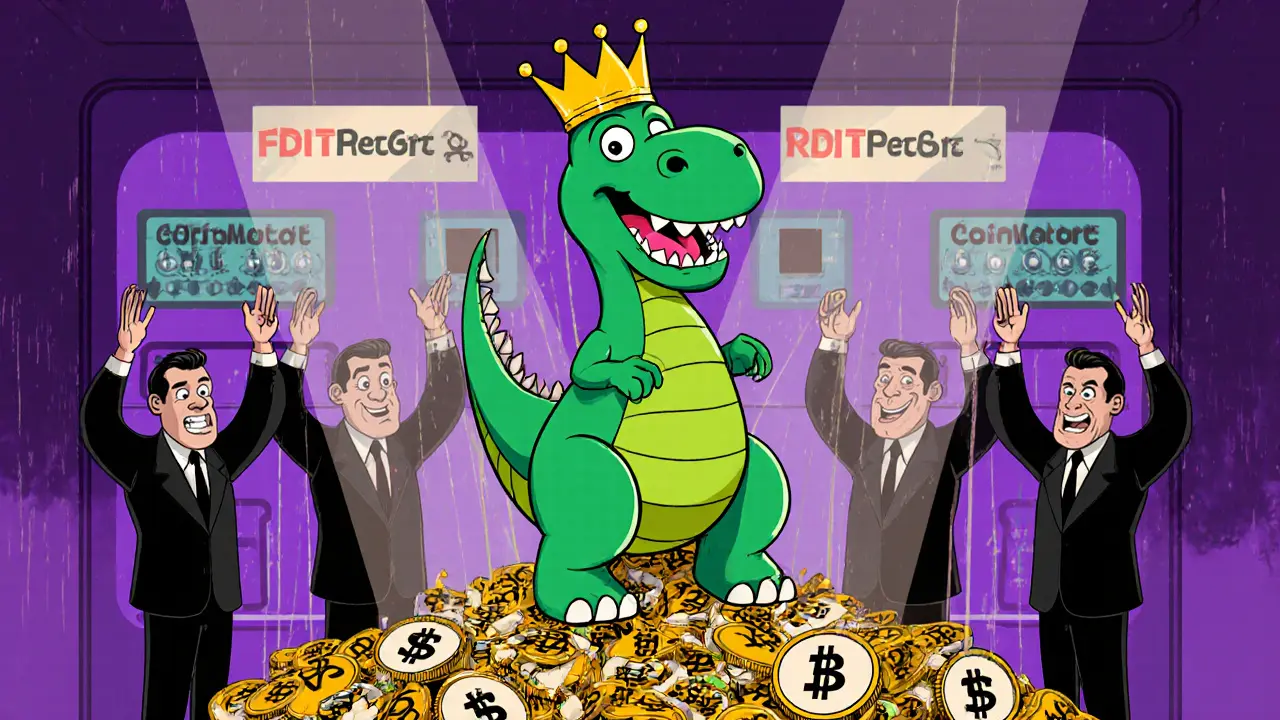
When you see a crypto airdrop, a free token distribution meant to grow a project’s user base. Also known as token giveaway, it often looks like free money—but in 2025, most are phishing traps with zero backing. The FDT Frutti Dino and WINR JustBet airdrops claimed ties to CoinMarketCap, but there’s no official link. CoinMarketCap doesn’t run airdrops. These are copycat scams built to steal wallet keys, not give away value. Meanwhile, real airdrops like KOM by Kommunitas and RACA on BSC gave tokens to active NFT holders—not just anyone who clicked a link.
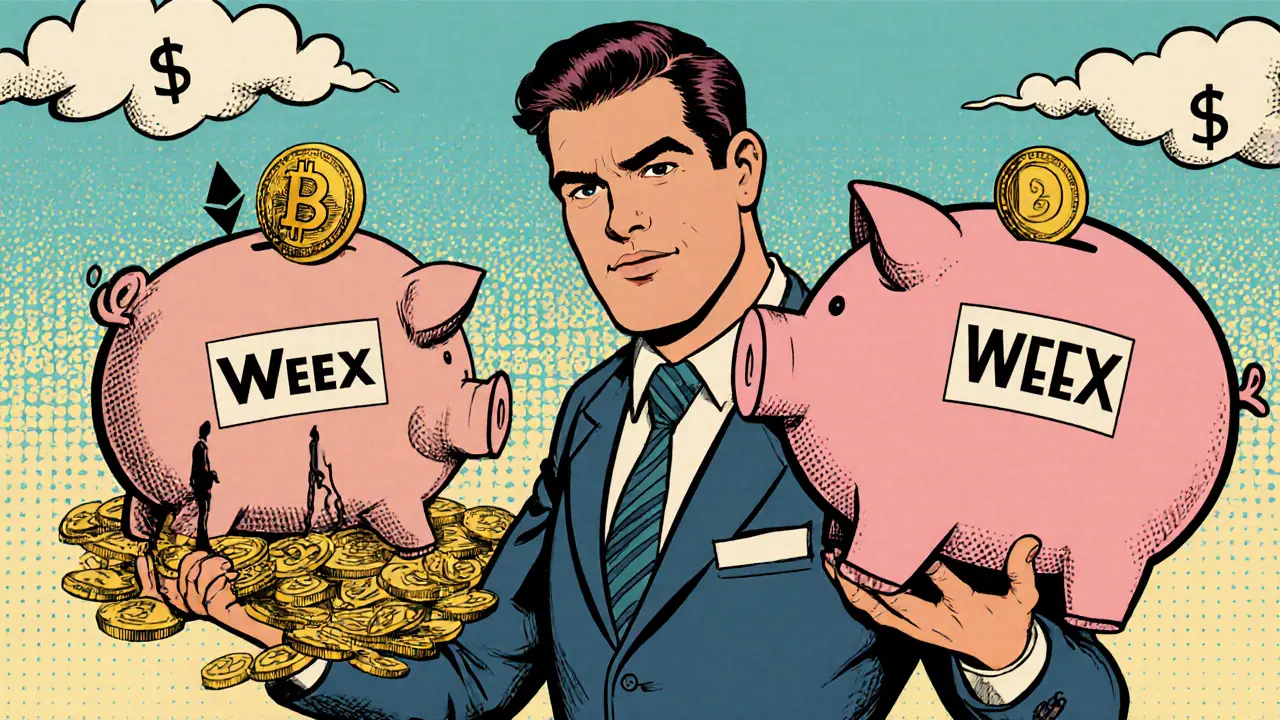
crypto exchange, a platform where you buy, sell, or trade digital assets. Also known as cryptocurrency trading platform, it’s where your money lives—or gets stolen. In 2025, not all exchanges are equal. WEEX stands out with Proof of Reserves and zero-fee trading, while Upbit is great for Koreans but useless for anyone outside South Korea. DuckSwap and Artis Turba vanished without a trace. Digitex Futures shut down after promising commission-free futures but ran into legal trouble. If an exchange has no reviews, no transparency, or no regulatory license, it’s not worth your time.
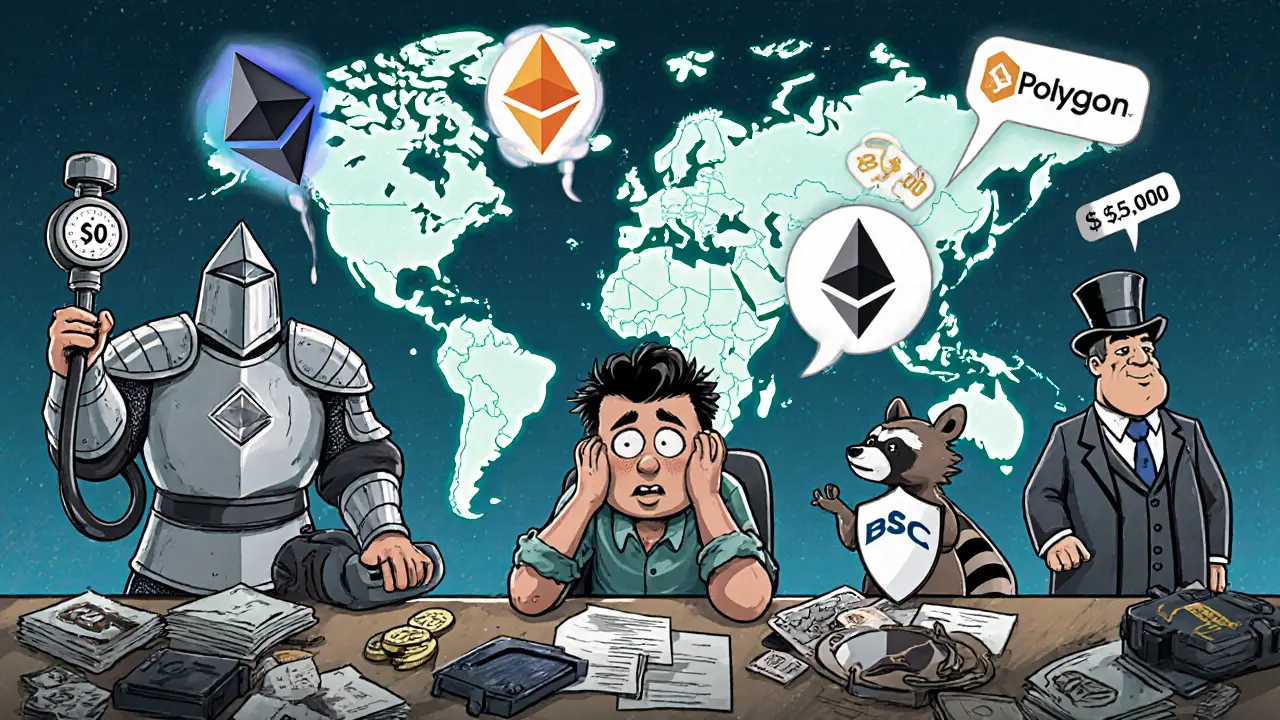
blockchain fees, the cost to run a transaction or smart contract on a network. Also known as gas fees, they can be pennies or hundreds of dollars depending on the chain. On Solana, you pay $0.00025 to swap tokens. On Ethereum during peak times? Over $150. That’s why projects like zkLink (ZKL) are gaining attention—they unify Layer 2s so you don’t need risky bridges or high fees. Smart contract costs aren’t just technical details; they decide whether your project survives or dies.
Where the rules are strict—and who’s leaving
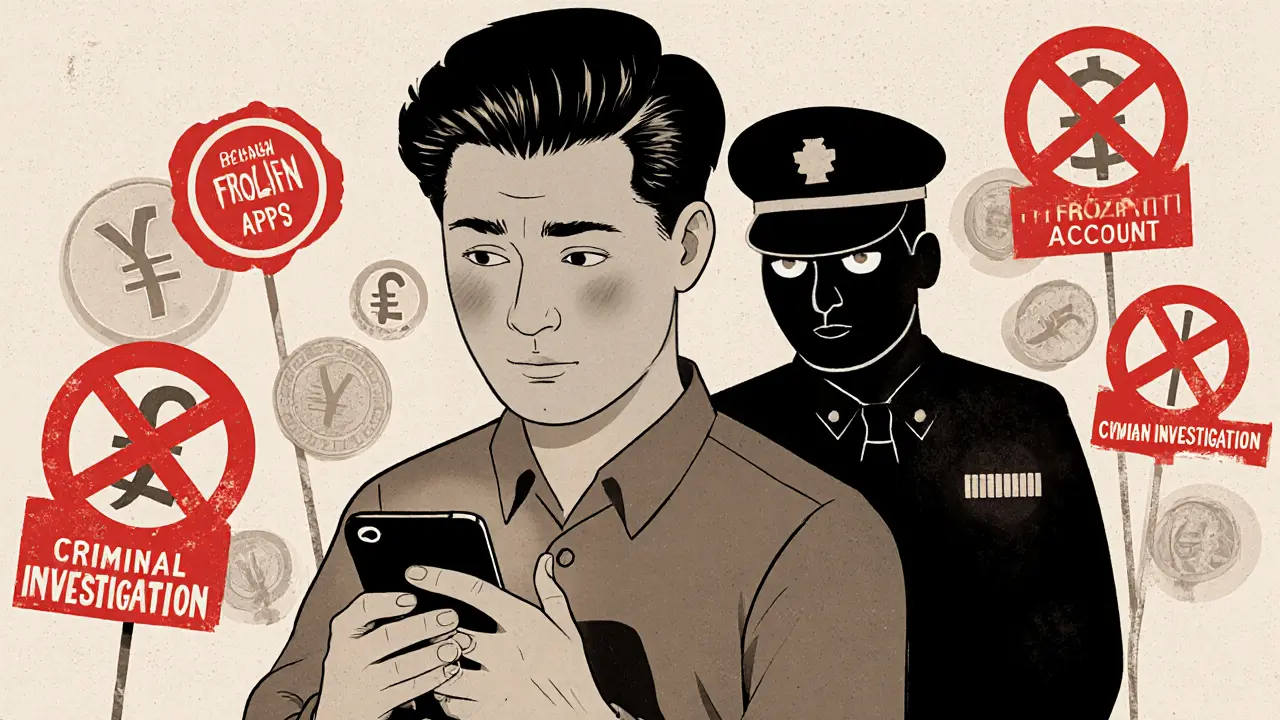
crypto regulation, government laws that control how digital assets are used, taxed, or banned. Also known as digital asset policy, it’s changing fast. In China, all exchanges are illegal. In Thailand, non-compliance can mean jail time. In India, traders are moving to Dubai to escape the 30% tax. Turkey’s payment ban didn’t stop 19 million people from trading crypto via P2P and DeFi wallets. Regulation isn’t just paperwork—it’s survival.
What you’ll find here isn’t hype. It’s the truth behind tokens that promised the moon but delivered nothing. It’s the exchanges that actually protect your assets. It’s the fees you can’t ignore. And it’s the legal lines you must not cross. No fluff. No guesses. Just what happened, what worked, and what to avoid next.