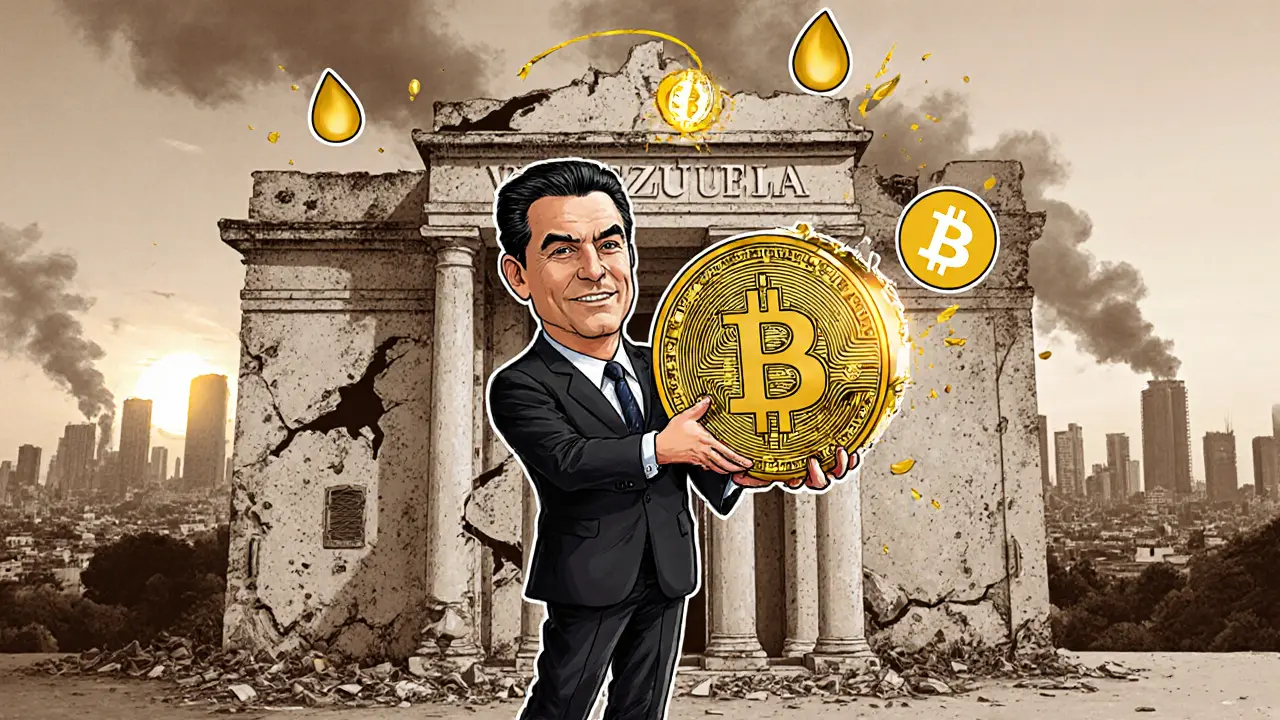
Crypto Sanctions: What They Are and Why They Matter
When navigating the world of digital assets, it’s crucial to understand crypto sanctions, government‑imposed restrictions that freeze assets, block transactions, and limit access to crypto services for designated individuals, entities, or regions. Also known as digital asset sanctions, they are a key tool for enforcing foreign policy and preventing illicit finance. Crypto sanctions encompass asset freezes, transaction bans, and travel restrictions, and they often require platforms to implement robust compliance checks. In short, if a wallet appears on a sanctions list, the exchange must refuse to process any move involving that address.
How Regulation Shapes Crypto Sanctions
Regulation sits at the heart of the sanctions ecosystem. Crypto regulation, the set of rules that governments and regulators impose on cryptocurrency businesses defines how firms must screen users, report suspicious activity, and respond to official directives. When a regulator tightens licensing or adds new reporting requirements, it directly influences the scope and speed of sanctions enforcement. A major part of staying compliant is AML compliance, the process of identifying and preventing money‑laundering and terrorist financing. AML programs require Know‑Your‑Customer (KYC) checks, transaction monitoring, and regular audits, all of which feed into the sanctions screening workflow. In practice, a solid AML framework makes it easier for crypto platforms to detect sanctioned addresses and act quickly, reducing legal risk.
One of the most powerful enforcement bodies is the Office of Foreign Assets Control. OFAC, the U.S. Treasury department unit that maintains and updates the Specially Designated Nationals (SDN) list, issues the sanctions orders that crypto firms must follow. OFAC’s guidance often expands to cover emerging digital assets, meaning that even new tokens can fall under its jurisdiction if they’re tied to prohibited activities. The agency’s rulings shape how exchanges block wallets, freeze funds, and report violations. Compliance teams watch OFAC releases closely because a single update can trigger a cascade of operational changes across the industry.
Putting it all together, the intersection of crypto sanctions, regulation, AML procedures, and OFAC directives forms a tightly linked network. Understanding each piece helps you avoid costly mistakes, stay on the right side of the law, and protect your assets. Below you’ll find practical insights, real‑world examples, and step‑by‑step guidance that break down how these forces work together and what you can do to stay compliant.