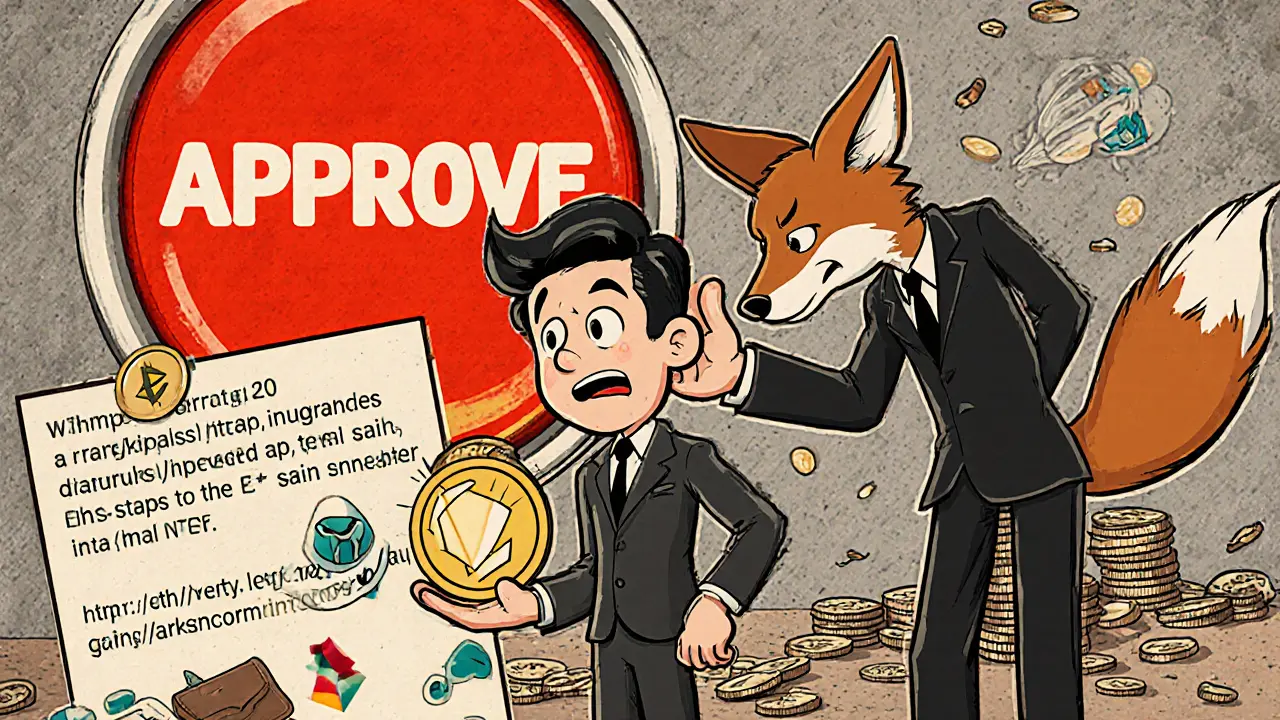
Wallet Security: Protect Your Crypto from Hacks and Scams
When you hold cryptocurrency, your wallet security, the practices and tools that keep your digital assets from being stolen. Also known as crypto custody, it’s not optional—it’s the difference between owning your coins and losing them forever. Most people think their coins are safe just because they’re on an exchange. But exchanges get hacked. Apps get compromised. And if you don’t control your own keys, you don’t own your crypto.
True wallet security starts with your private key, a unique string of letters and numbers that gives you access to your funds. Also known as seed phrase, it’s the only thing that can recover your wallet if you lose your device. Write it down. On paper. Store it somewhere no one else can reach. Never type it into a website. Never screenshot it. Never share it—even if someone claims to be from support. Every single post in this collection shows someone who lost everything because they trusted the wrong person or clicked the wrong link.
Then there’s the hardware wallet, a physical device designed to store private keys offline, away from internet-connected devices. Also known as cold wallet, it’s the gold standard for anyone holding more than a few hundred dollars in crypto. Devices like Ledger and Trezor aren’t magic—they just make it harder for hackers to reach your keys. But even these can be compromised if you enter your PIN on a fake screen or download malware that watches your keystrokes. That’s why wallet security isn’t just about tools—it’s about habits. Do you check URLs before connecting your wallet? Do you use a separate device for signing transactions? Do you know the difference between a real airdrop and a phishing trap?
The posts below don’t just talk about wallet security—they show you what happens when it fails. You’ll see how people lost coins to fake airdrops, how scams target users of platforms like Upbit and PartySwap, and why even a well-known exchange like Artis Turba couldn’t protect its users when security was ignored. You’ll learn how Turkish traders use DeFi wallets to bypass bans, how Thai regulators punish those who skip compliance, and why projects like PLEXUS and MICKEY have zero real security because they have zero real users. These aren’t theory lessons. These are real cases where someone clicked "Connect Wallet" and lost everything.
There’s no app that can fix bad habits. No tool that replaces vigilance. Wallet security is something you do every day—not something you set up once and forget. And if you’re holding crypto, you’re already in the game. The question isn’t whether you need it. It’s whether you’re doing enough to protect what’s yours.