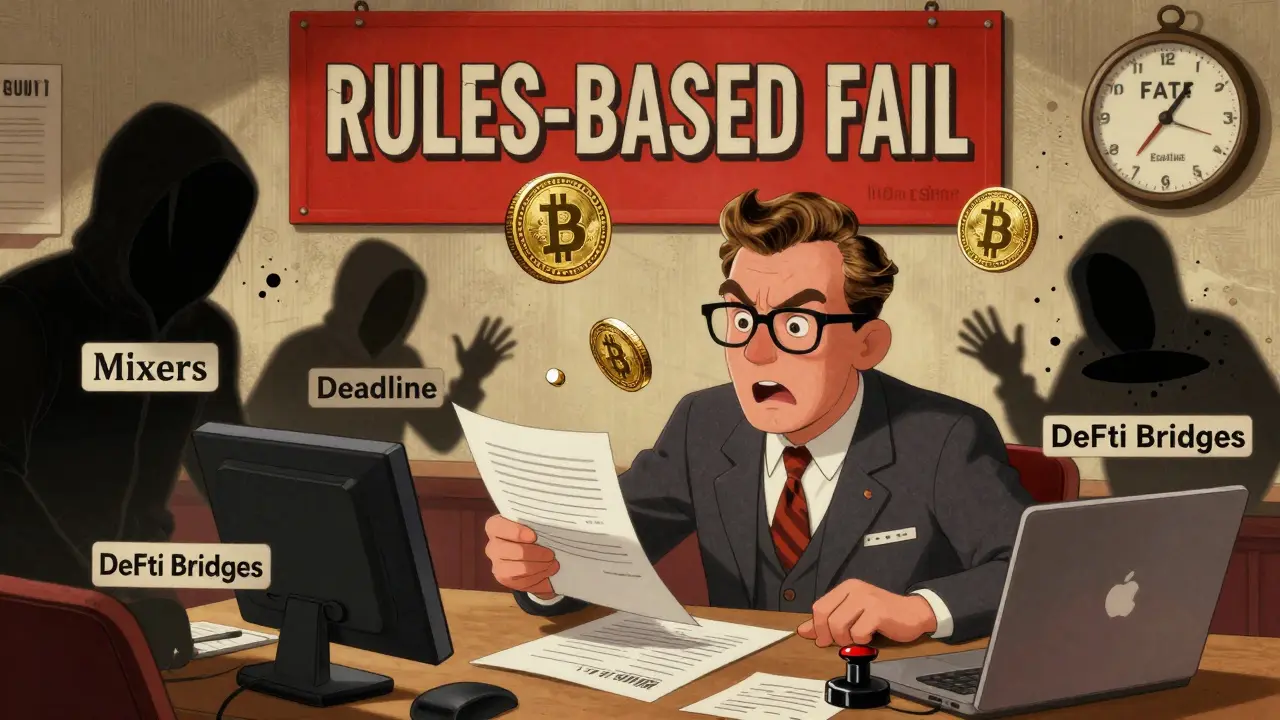
VASP Compliance: What It Means for Crypto Exchanges and Users
When you use a crypto exchange, you’re interacting with a VASP, a Virtual Asset Service Provider that’s legally required to follow anti-money laundering and know-your-customer rules. Also known as crypto service provider, it’s the bridge between traditional finance and digital assets—and governments now demand these platforms play by the rules. If a platform doesn’t meet VASP compliance, it’s not just risky—it’s often illegal.
VASP compliance isn’t optional anymore. Countries like Brazil, Thailand, and Canada require exchanges to verify user identities, report large transactions, and freeze funds tied to criminal activity. In Brazil, transfers over $10,000 trigger mandatory reporting. In Thailand, non-compliant platforms face jail time and website blocks. China doesn’t just enforce VASP rules—it bans all exchanges entirely, pushing users toward its own digital yuan. These aren’t suggestions. They’re legal requirements with real consequences.
For users, this means less anonymity—but more safety. Platforms that follow VASP rules are more likely to have Proof of Reserves, secure custody, and real customer support. That’s why exchanges like WEEX and Upbit, which operate under clear regulations, get trusted by users. Meanwhile, unregulated platforms like Helix Markets or DuckSwap often vanish overnight, taking users’ funds with them. VASP compliance doesn’t guarantee a project is good, but it does mean someone is watching.
And it’s not just about exchanges. Airdrops, lending platforms, and even NFT marketplaces are now under scrutiny. If a platform lets you trade crypto without verifying who you are, it’s likely breaking VASP rules. That’s why fake airdrops like FDT and DeHero HEROES keep popping up—they thrive in the gray zones where compliance doesn’t exist. Real projects, like KOM by Kommunitas or SATT, tie their airdrops to verified accounts and regulated platforms to stay legal.
Understanding VASP compliance helps you spot the difference between a platform that’s trying to do right and one that’s just chasing quick cash. It explains why some exchanges are banned in China, why Indian traders move to Dubai, and why stablecoins face strict limits in Brazil. It’s the invisible rulebook shaping everything you do in crypto today.
Below, you’ll find real-world examples of how VASP compliance—or the lack of it—impacts everything from token launches to exchange survival. Some posts show you how to stay safe. Others show you what happens when rules are ignored. Either way, you’ll see why compliance isn’t bureaucracy—it’s survival.