Smart Contract Safety: How to Avoid Scams and Protect Your Crypto
When you interact with a smart contract, a self-executing program on a blockchain that runs without human intervention. Also known as on-chain code, it handles everything from swapping tokens to locking up your funds in yield farms. But if that code has even one flaw, your money can vanish—forever. Unlike traditional apps, you can’t call customer support when a smart contract goes wrong. There’s no undo button. No refund. Just a public ledger showing your funds moved to someone else’s wallet.
That’s why smart contract audit, a deep review of blockchain code by security experts to find hidden bugs. Often performed by firms like CertiK or SlowMist isn’t just a checklist—it’s your insurance policy. Many of the crypto losses you hear about? They didn’t come from hacked exchanges. They came from unverified contracts on DeFi platforms like PartySwap or CoinWind, where no one bothered to check the code before users deposited funds. Even a tiny oversight—a missing input check, a flawed access control—can let attackers drain millions. And once it’s live on the blockchain, there’s no patching it.
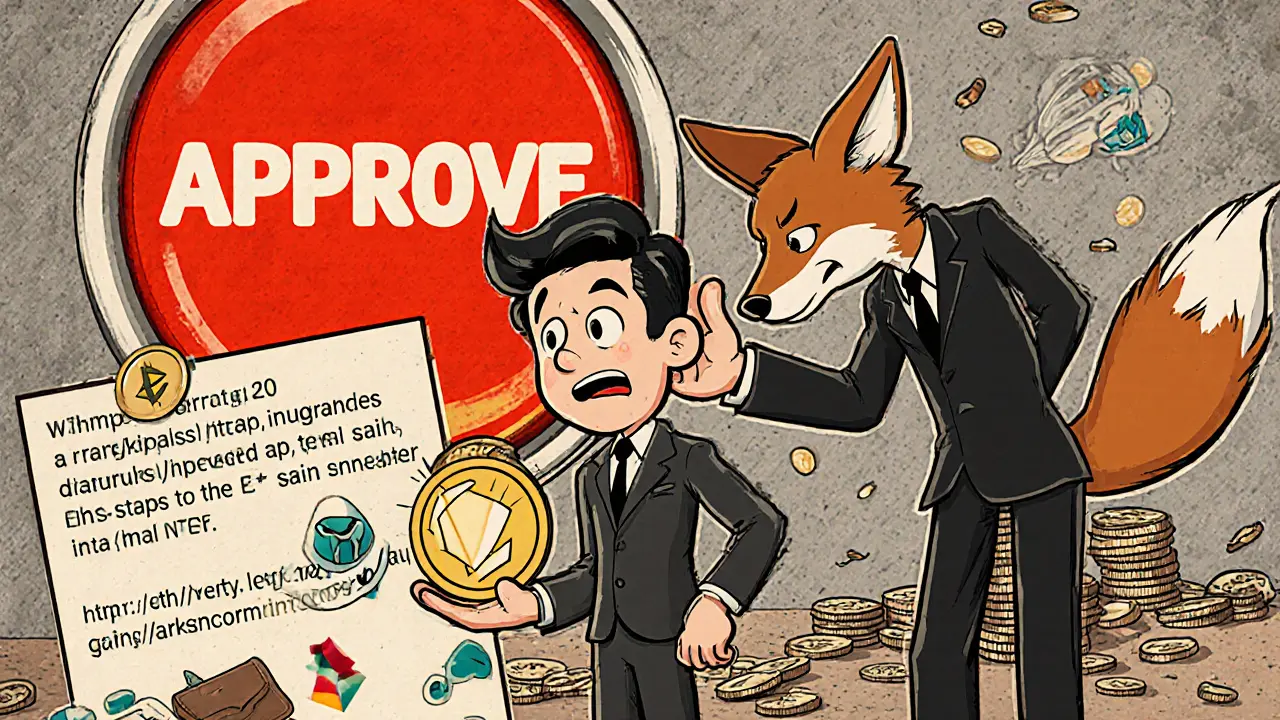
It’s not just about audits, though. DeFi security, the practice of protecting assets in decentralized finance systems from exploits, rug pulls, and malicious code. Includes checking for verified contracts, zero trading volume, and anonymous teams means asking the right questions before you click ‘Approve’ or ‘Deposit’. Is the contract verified on Etherscan? Does it have real liquidity, or is it just fake volume? Is the team public, or are they hiding behind a Discord alias? Look at the posts here—you’ll see examples like PLEXUS and WLBO, where tokens had no trading volume, no team, and no security checks. People lost money because they assumed ‘DeFi’ meant ‘safe’. It doesn’t.
And then there’s the blockchain vulnerabilities, common flaws in smart contracts like reentrancy attacks, oracle manipulation, or integer overflows. Often exploited in high-profile hacks that keep showing up in the same forms. Reentrancy attacks—where a malicious contract calls back into yours before the first transaction finishes—brought down The DAO in 2016 and still pops up today. Oracle manipulation? That’s how some airdrops got rigged. These aren’t theoretical risks. They’re daily threats.
You don’t need to be a coder to stay safe. You just need to know what to look for. Never interact with a contract that hasn’t been audited. Avoid tokens with zero volume and no team. Check if the contract is renounced—if the devs can still change rules, it’s a red flag. And never approve more than you’re willing to lose. The posts below show real cases: from the dead COOL token to the fake CKN airdrop, from the silent PartySwap to the vanished Artis Turba. They all share one thing: people trusted the interface, not the code. Don’t make the same mistake.
Smart contract safety isn’t about fear. It’s about awareness. And the more you know about how these systems actually work—what breaks, what gets exploited, who’s behind them—the less likely you are to lose your crypto to something avoidable. Below, you’ll find real stories of what went wrong, why it happened, and how to spot the next one before it’s too late.