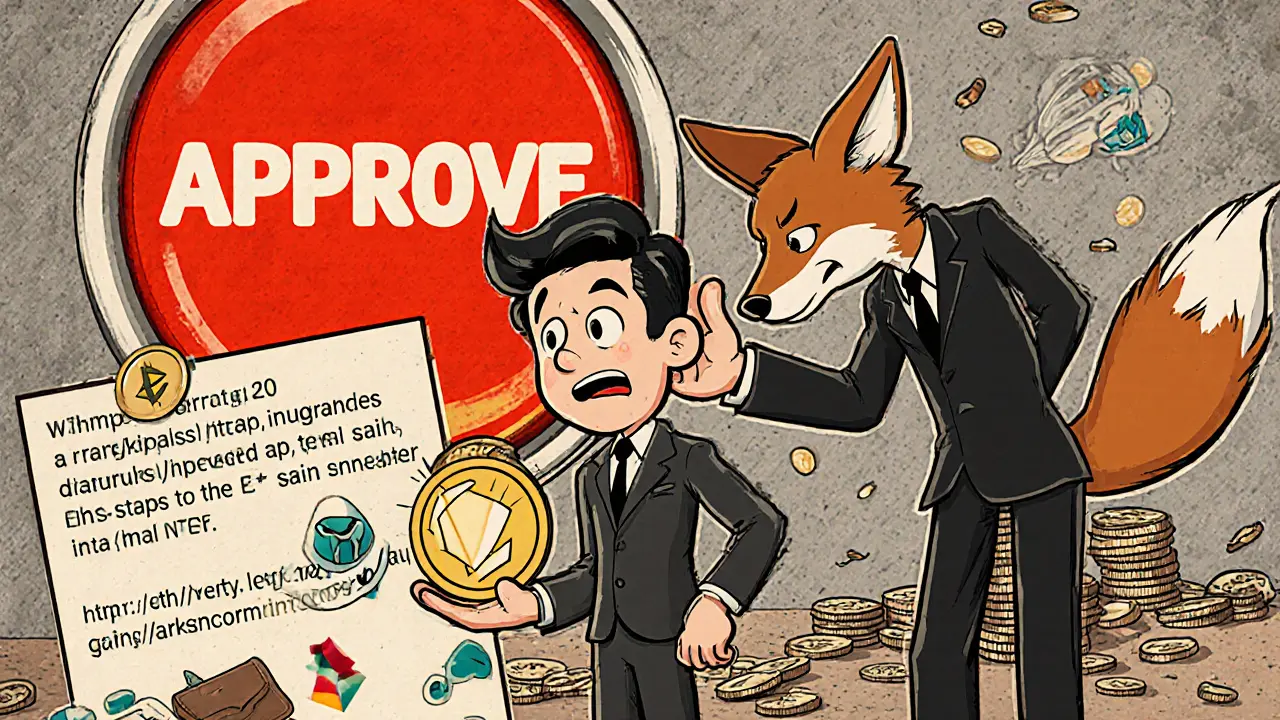
How to Protect NFTs: Security, Storage, and Scam Prevention
When you own an NFT, a unique digital asset stored on a blockchain that proves ownership of art, collectibles, or virtual items. Also known as non-fungible token, it’s not just a file—it’s your verified property in the digital world. But if you don’t know how to protect NFTs, you could lose them forever to hackers, phishing scams, or simple mistakes. Unlike bank accounts, there’s no customer service to call if your NFT gets stolen. Once it’s gone, it’s gone.
Protecting NFTs starts with how you store them. Most people keep NFTs in crypto wallets like MetaMask or Phantom, but not all wallets are created equal. A hardware wallet like Ledger or Trezor is the safest option—it keeps your private keys offline, away from hackers. If you use a software wallet, never share your seed phrase. Ever. Not even with "support" people who message you on Discord. Real companies don’t ask for your seed phrase. If someone does, it’s a scam. And those fake NFT marketplaces? They look real, but they’re designed to trick you into signing malicious transactions that drain your wallet.
Another big risk is fake NFT drops. Scammers create fake versions of popular collections like Bored Ape or CryptoPunks and flood social media with links. If you buy one, you’re not getting the real thing—you’re getting a worthless image. Always check the official contract address on OpenSea or the project’s verified Twitter. And don’t click links from DMs, even if they look like they’re from someone you follow. Real projects don’t give away free NFTs through direct messages.
Also, keep your software updated. Outdated wallet apps or browser extensions are easy targets. Enable two-factor authentication everywhere you can—even if it’s just email-based. And never connect your wallet to random websites. If a site asks for wallet access to "view your NFTs," it’s probably trying to steal them. Legit platforms don’t need that kind of access.
Some NFTs come with royalties or access to future drops. If you lose the wallet that holds them, you lose that access forever. That’s why backups matter. Write your seed phrase on paper. Store it in a fireproof safe. Don’t screenshot it. Don’t save it in the cloud. Don’t email it to yourself. The only safe copy is one you can hold in your hands, locked away from digital threats.
And what about the NFTs you already own? Check them regularly. Are they still showing up in your wallet? Has the project disappeared? Many NFT collections vanish after a few months, leaving owners with digital trash. Keep an eye on updates, community activity, and whether the team is still active. If the Discord is dead and the Twitter hasn’t posted in months, your NFT might already be worthless—even if it still shows up on your screen.
You don’t need to be a tech expert to protect your NFTs. You just need to be careful. Treat them like cash. If you wouldn’t leave $10,000 on a park bench, don’t leave your NFTs exposed to bad passwords, sketchy links, or unverified apps. The tools to keep them safe exist. The knowledge is out there. What’s missing is the habit of being cautious.
Below, you’ll find real examples of how people lost NFTs—and how others kept theirs safe. From airdrop traps to wallet hacks, these posts show exactly what works, what doesn’t, and what you should never do again.