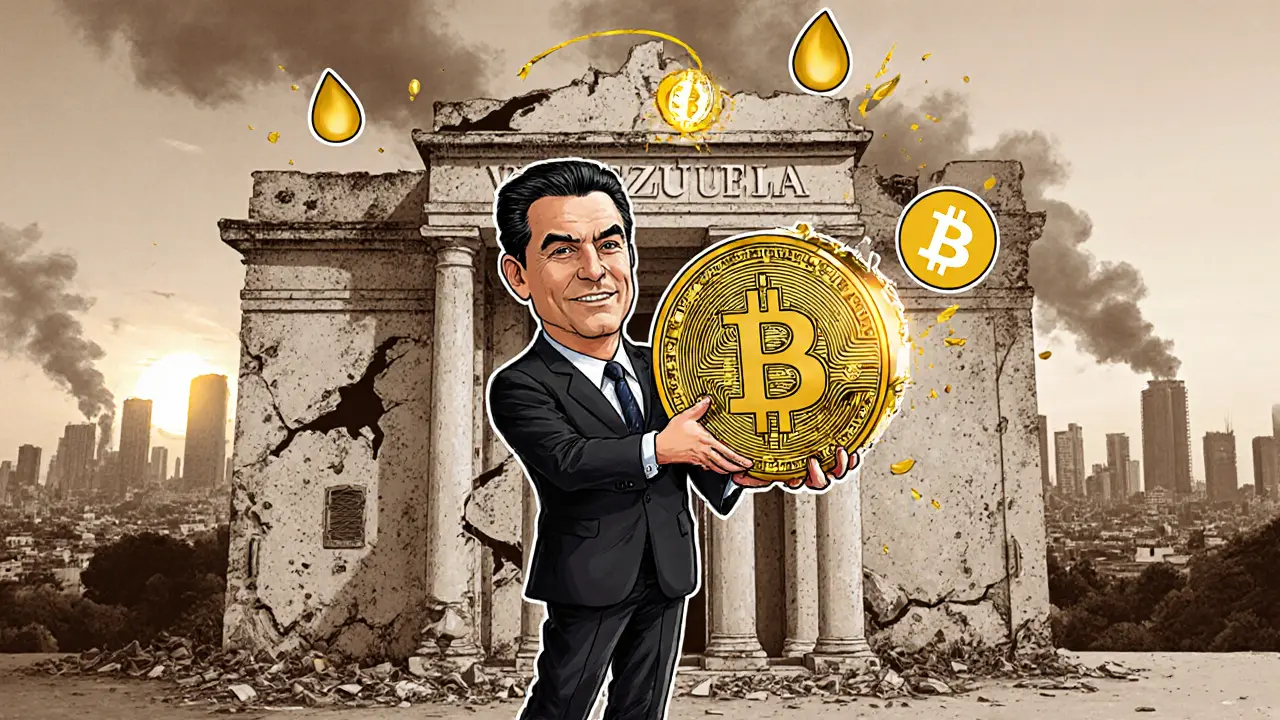
Petro (PETRO) Token – Oil‑Backed Crypto, Energy Blockchain & DeFi Insights
When diving into Petro, the oil‑backed cryptocurrency that mirrors real‑world petroleum assets. Also known as PETRO token, it aims to bridge energy markets and blockchain finance. Think of it as a digital barrel of oil you can trade 24/7, without the storage hassles. Petro token isn’t just a meme; it’s a structured asset that ties price movements to crude benchmarks, offering a new way for investors to gain exposure.
How Petro Connects to Energy Blockchain, Commodity Crypto and DeFi Governance
The energy blockchain, a specialized ledger designed for tracking physical commodities like oil and gas provides the backbone for PETRO’s price feed and settlement logic. By anchoring to immutable oracles, the energy blockchain reduces the risk of price manipulation that plagues traditional oil contracts.
From a broader angle, PETRO lives inside the commodity crypto, a class of tokens that represent tangible assets such as gold, silver, or oil. This classification matters because commodity crypto often attracts traders who want diversification beyond pure speculative coins. The token’s supply mechanics, liquidity pools, and cross‑chain bridges are all engineered to reflect the underlying commodity’s volatility.
On the governance front, PETRO integrates with DeFi governance tokens, digital assets that grant voting rights and staking rewards within decentralized finance protocols. Holders can propose fee structures, decide on collateral ratios, or vote on new oil‑sourced token launches. This fusion of commodity backing and community‑driven decision‑making creates a dynamic ecosystem where market forces and participant sentiment intersect.
Regulatory frameworks also shape PETRO’s evolution. Jurisdictions that have clear guidelines for asset‑backed tokens, such as Malta’s MFSA rules or the EU’s MiCA regulation, provide a safer playground for projects that tie digital tokens to real commodities. Understanding these rules helps investors assess legal risk and anticipate compliance costs, which are key factors when evaluating an oil‑linked token.
Below you’ll find a curated mix of articles that break down PETRO’s technical specs, compare its tokenomics to other commodity crypto, explore airdrop opportunities tied to energy‑focused projects, and unpack governance strategies within DeFi. Whether you’re checking price charts, hunting for safe claim steps, or reading up on regulatory impacts, the collection gives you practical insights to navigate the oil‑backed crypto space confidently.