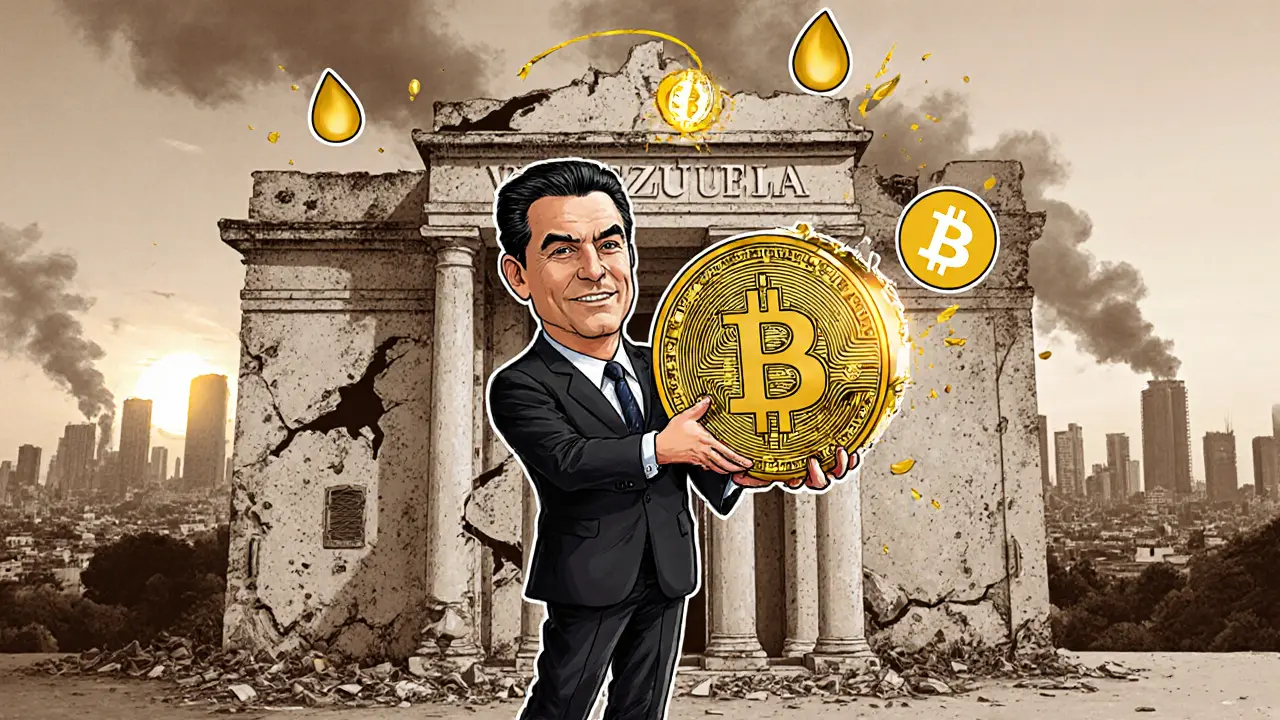
PDVSA Crypto: A Quick Guide to Tokenomics, Regulation & Airdrop Opportunities
When talking about PDVSA Crypto, a state‑backed digital token linked to Venezuela’s oil giant PDVSA, aimed at tokenising energy revenues. Also known as PDVSA token, it tries to combine traditional energy assets with modern blockchain finance. PDVSA crypto isn’t just a novelty; it sits at the crossroads of energy economics and decentralized finance. One of its core building blocks is Tokenomics, the study of a token’s supply, distribution, and economic incentives. Tokenomics influences how investors perceive scarcity, how the token can be used for payments, and whether it can fund national projects. In practice, PDVSA Crypto’s tokenomics includes a capped supply tied to oil output, a vesting schedule for government reserves, and a fee‑share model that rewards holders with a slice of future oil revenue. This design aims to create a self‑sustaining ecosystem where price stability mirrors commodity trends while offering upside for early participants. The link between tokenomics and market behavior forms the first semantic triple: PDVSA Crypto encompasses Tokenomics.
Regulatory Landscape and Community Governance
The next piece of the puzzle is Blockchain Regulation, the set of rules governing digital assets, anti‑money‑laundering compliance, and cross‑border token issuance. For a sovereign‑linked token, regulation isn’t optional; it shapes everything from exchange listings to investor confidence. Venezuela’s legal framework is still evolving, but PDVSA Crypto must adhere to both local sanctions and international AML standards. Compliance requirements dictate KYC procedures for token holders, reporting obligations for large transactions, and audit trails that align with the country’s fiscal policies. This creates a second semantic triple: PDVSA Crypto requires Blockchain Regulation. In parallel, the token’s governance model borrows from the broader concept of Governance Token, a digital asset that grants voting rights and influence over protocol upgrades. Holders can vote on fee adjustments, reserve allocations, or new partnerships, turning the community into a quasi‑board of directors. By blending regulatory compliance with decentralized governance, PDVSA Crypto attempts to balance state oversight and market‑driven decision‑making.
The final driver of early adoption is the Airdrop, a distribution method where free tokens are given to users to spark interest and liquidity. PDVSA Crypto has announced several airdrop phases targeting existing PDVSA shareholders, energy sector professionals, and crypto enthusiasts. These airdrops serve a dual purpose: they seed the market with active participants and they provide a measurable way to gauge community sentiment. An airdrop’s success often hinges on clear eligibility rules, secure claim portals, and transparent tokenomics—exactly the elements PDVSA Crypto outlines in its roadmap. This creates the third semantic triple: Airdrop influences PDVSA Crypto adoption. Together, tokenomics, regulation, governance, and airdrop mechanics form a tightly knit ecosystem that aims to make a state‑linked token both compliant and attractive.
Below you’ll find a curated selection of articles that dive deeper into each of these areas—whether you’re looking for a tokenomics breakdown, regulatory compliance checklist, airdrop claim guide, or governance token strategy. Explore the list and arm yourself with the data‑driven insights you need to navigate PDVSA Crypto confidently.