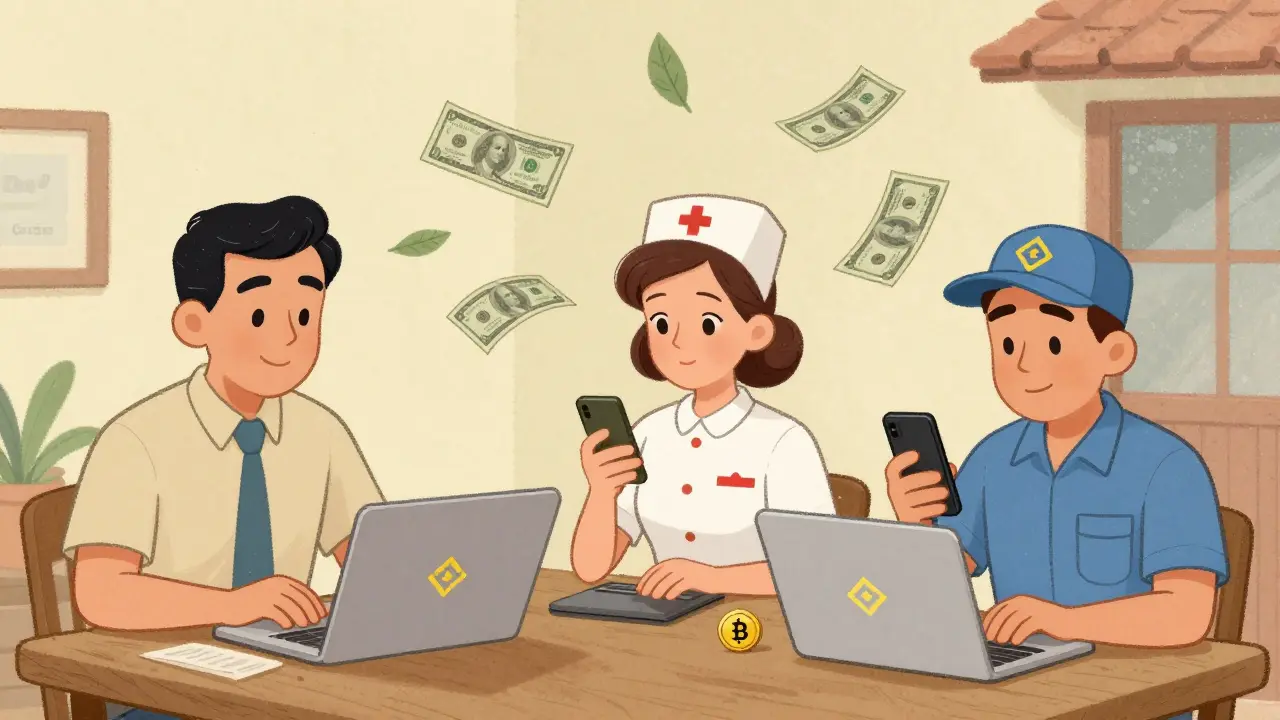
P2P Crypto Ecuador: How Peer-to-Peer Trading Works in Ecuador and Where to Trade Safely
When you buy or sell crypto without a bank or exchange in between, you’re using P2P crypto, a direct trading method where buyers and sellers exchange cryptocurrency for cash or other assets without intermediaries. Also known as peer-to-peer crypto trading, it’s become a lifeline for people in countries like Ecuador where banks restrict crypto deposits or withdrawals. In Ecuador, where inflation has eroded the value of the dollar-backed economy and traditional banking access is uneven, P2P crypto lets people trade Bitcoin, USDT, and other tokens directly with neighbors—using cash, mobile payments, or even bank transfers.
This isn’t just about avoiding banks. It’s about control. When you trade P2P in Ecuador, you’re not relying on a platform to hold your funds. You’re negotiating price, payment method, and timing with another person. That means you can get better rates than on centralized exchanges, but it also means you need to know who you’re dealing with. Many Ecuadorians use platforms like P2P exchanges, online marketplaces that connect buyers and sellers of cryptocurrency while offering escrow protection. Also known as crypto P2P platforms, these services act as middlemen who lock funds until both sides complete their part of the deal. Popular ones include LocalBitcoins, Paxful, and Binance P2P—all accessible in Ecuador despite limited local support. You’ll often find sellers asking for cash deposits at convenience stores or mobile wallet transfers via EcoPayz or Yape.
But it’s not all smooth. Ecuador has no clear crypto laws, so traders operate in a gray zone. There’s no legal protection if someone scams you after you send cash. And while the government hasn’t banned crypto, it hasn’t endorsed it either—meaning banks might freeze accounts linked to P2P activity. That’s why most experienced traders use separate phones, avoid sharing personal info, and only trade small amounts at first. They also check seller ratings, insist on escrow, and never skip the verification steps—even if the deal looks too good to be true.
What you’ll find in this collection are real breakdowns of how people in Ecuador actually trade crypto P2P. You’ll see which platforms work best, how to avoid common scams, what payment methods are safest, and why some traders moved from exchanges to cash deals. You’ll also learn how recent global trends—like the rise of USDT as a stable alternative—have shaped local trading habits. These aren’t theoretical guides. They’re reports from people who’ve been there: the ones who’ve gotten scammed, the ones who made their first Bitcoin purchase with cash at a corner store, and the ones who now use crypto to pay rent or send money home.