NFT Security: Protect Your Digital Assets from Scams and Hacks
When you buy an NFT, a unique digital token on a blockchain that proves ownership of art, music, or virtual items. Also known as non-fungible token, it’s not just a picture—it’s a piece of digital property you control. But if your NFT security is weak, that property can vanish in seconds. Thousands of people have lost NFTs to phishing, fake marketplaces, and hacked wallets. Unlike bank accounts, there’s no customer service to call when your CryptoPunk gets stolen. You’re on your own.
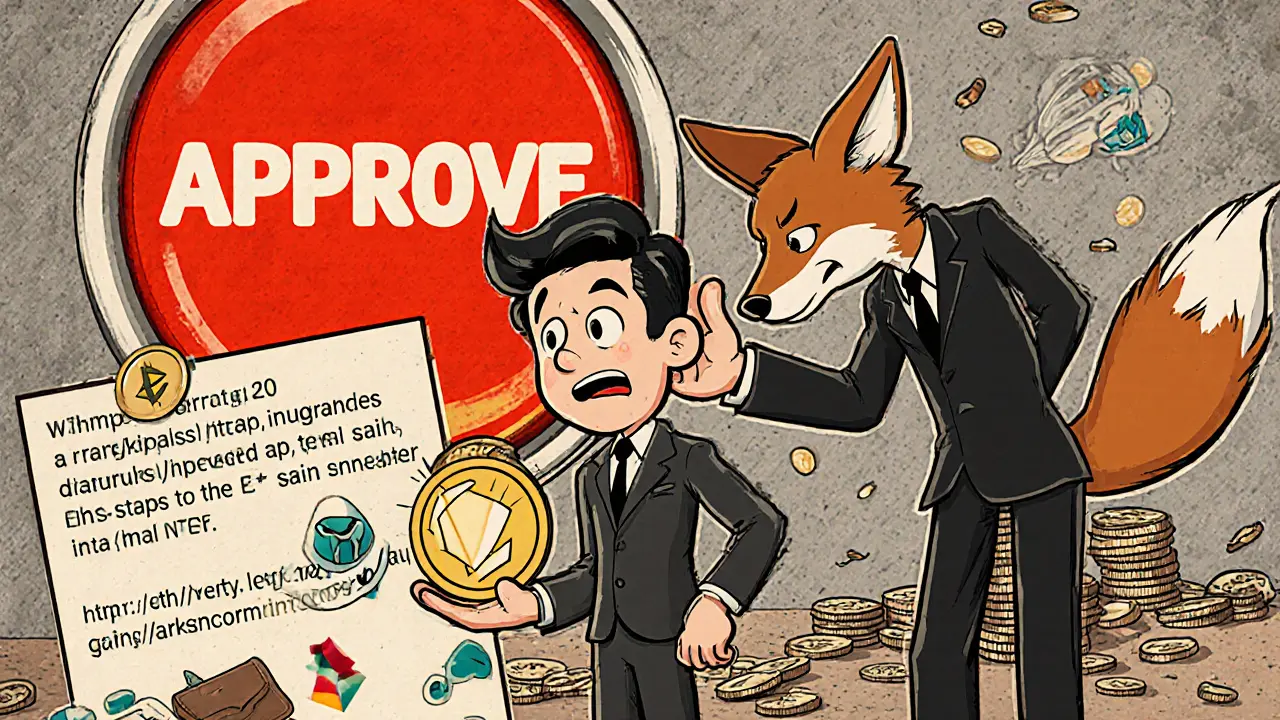
NFT scams, fraudulent schemes designed to trick owners into giving up access to their digital assets. Also known as rug pulls or fake airdrops, they’re everywhere—especially on Twitter, Discord, and shady marketplaces. A common trick? A message saying, "Your NFT is expiring—click here to renew." That link gives hackers full control of your wallet. Another? A fake OpenSea page that looks real but steals your private key. Even if you never sold your NFT, you can still lose it by clicking the wrong thing.
NFT wallets, digital tools that store your private keys and let you interact with blockchain networks. Also known as crypto wallets, they’re the only thing standing between you and total loss. Hardware wallets like Ledger or Trezor are the safest. Software wallets like MetaMask work too—but only if you never share your seed phrase, never connect to unknown sites, and always double-check the URL. Most NFT thefts happen because someone typed "opensea.io" wrong and landed on "opensea.ioo"—a fake site.
Blockchain security, the underlying systems that keep transactions and ownership records tamper-proof. Also known as smart contract security, it’s not perfect. The blockchain itself doesn’t get hacked. But the apps built on top of it? Often full of flaws. That’s why some NFT projects vanish overnight—their smart contracts had bugs, and thieves drained all the funds. Even big names like Bored Ape Yacht Club have had exploits. So don’t assume popularity means safety.
Real NFT security isn’t about buying the most expensive NFT. It’s about knowing how to protect your keys, spot fake links, and avoid hype traps. You don’t need to be a coder. You just need to be careful. Check every transaction. Never trust a DM. Use two-factor authentication. And if something looks too good to be true—like a free NFT from a "verified" account—it probably is.
Below, you’ll find real cases of NFT thefts, how to audit a marketplace before connecting your wallet, and why some "secure" platforms still lost millions. These aren’t theory pieces—they’re lessons from people who lost everything. Learn from them before it’s too late.