Kraken Trading Bans: What Happens When Exchanges Block You
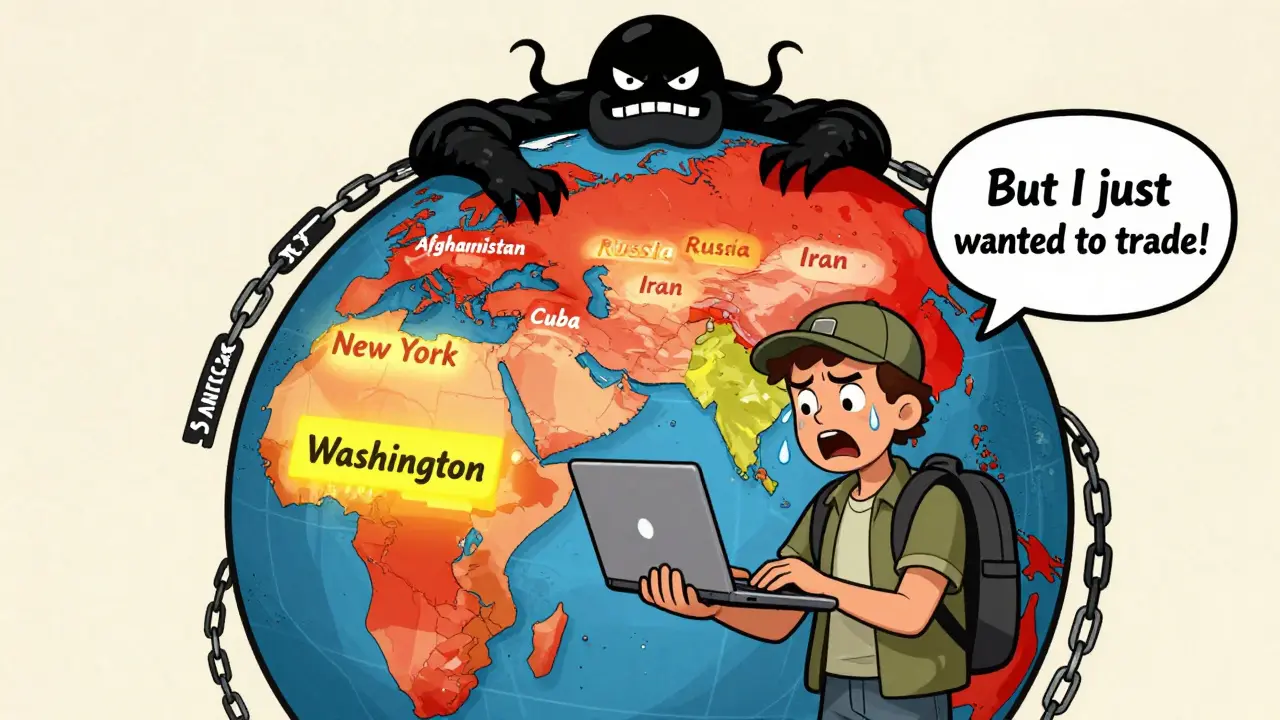
When you get a Kraken trading ban, a restriction placed by the Kraken exchange that stops you from trading, withdrawing, or sometimes even logging in. It’s not a glitch—it’s a compliance move. Also known as an account suspension, it usually happens because Kraken’s legal team flagged your activity as risky under anti-money laundering rules or local regulations. Unlike smaller platforms, Kraken follows strict global compliance standards. That means if you’re sending crypto to a known mixing service, using a VPN from a banned country, or making rapid deposits from unverified sources, Kraken has to act—even if you didn’t mean anything wrong.
These bans aren’t unique to Kraken. They’re part of a wider trend in crypto exchange restrictions, policies enforced by regulated platforms to avoid fines, legal action, or losing their operating licenses. For example, when Brazil’s Central Bank tightened rules in 2024, exchanges like Kraken and Coinbase started blocking users who sent large amounts of crypto to unregulated P2P platforms. The same thing happened in Thailand, where traders got locked out after using unlicensed wallets linked to gambling sites. These aren’t random punishments—they’re responses to real regulatory pressure. If you’re using a crypto exchange that’s legally registered in the U.S., Canada, or the EU, you’re already under their watch. What most people don’t realize is that Kraken doesn’t make these calls lightly. They rely on third-party tools like Chainalysis and Elliptic to track transactions. A single transfer to a flagged address can trigger a review. And once it’s flagged, you might get a message saying your account is under investigation—with no timeline for resolution.
Some bans are temporary. Others last months—or never end. We’ve seen users who got banned after sending $50 to a DeFi protocol that later got blacklisted. Others were locked out because they used the same IP address as someone who ran a Ponzi scheme. There’s no appeal portal. No customer service chat that fixes it. You get an email, and then you wait. Meanwhile, other exchanges like WEEX and Upbit have similar rules, but they’re more transparent about what triggers them. Kraken? They don’t explain much. That’s why so many users end up stuck—thinking they did something illegal, when all they did was use crypto the way it’s meant to be used.
What you’ll find below are real cases of people caught in these systems—not just Kraken, but other platforms too. Some got banned for using airdrops that turned out to be scams. Others were flagged for trading stablecoins in countries where they’re restricted. There’s even one story of a user who got locked out because their old phone had a crypto wallet that once interacted with a blacklisted smart contract. These aren’t rare. They’re common. And if you’re trading on a regulated exchange, you’re one transaction away from the same fate. The posts here show you how it happens, who it affects, and what you can do to protect yourself before it’s too late.