Crypto Restrictions in Brazil: What You Can and Can't Do
When it comes to crypto restrictions in Brazil, the country doesn’t ban cryptocurrency—but it makes using it complicated through heavy oversight, tax rules, and banking barriers. Also known as Brazilian crypto regulations, this system forces users to navigate a maze of compliance, reporting, and risk just to hold or trade digital assets. Unlike China or Nigeria, Brazil doesn’t shut down crypto entirely. Instead, it watches closely, taxes aggressively, and pushes users toward licensed platforms while keeping unregulated exchanges in the shadows.
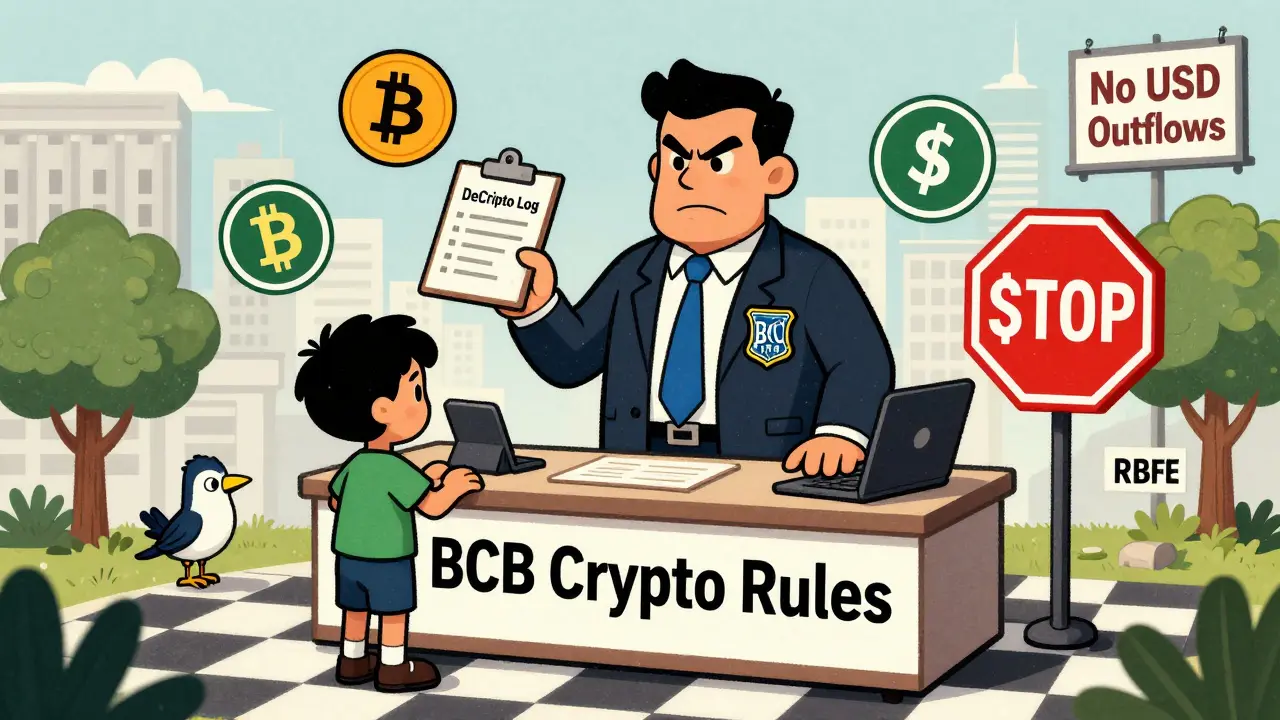
The Central Bank of Brazil, the nation’s financial watchdog, doesn’t recognize crypto as legal tender but allows it as an asset. Also known as BCB crypto rules, its stance means banks can legally process crypto transactions—but many refuse to, fearing regulatory blowback. This creates a split: you can buy Bitcoin on Binance or Mercado Bitcoin, but if you try to deposit profits into your savings account, your bank might freeze it. Meanwhile, the Brazilian Revenue Service, the tax authority, treats crypto like property: every trade, swap, or sale triggers a capital gains tax. Also known as crypto taxation Brazil, this means you owe up to 15% on profits, and you must report every transaction, even small ones.
There’s no official ban on mining, but energy costs and legal gray zones make it risky. Some miners operate quietly, especially in the north where electricity is cheap. But if you’re caught evading taxes or using unlicensed platforms, you could face fines or audits. The government doesn’t want to kill innovation—it wants to control it. That’s why platforms like crypto restrictions in Brazil are more about paperwork than prohibition. You can own crypto, but you can’t ignore the rules.
What you’ll find below are real stories and breakdowns from people who’ve dealt with these rules firsthand. Some lost money to unregulated exchanges. Others paid taxes they didn’t know they owed. A few found legal loopholes to trade safely. These aren’t theoretical guides—they’re lessons from the front lines of Brazil’s crypto reality. Whether you’re holding, trading, or just trying to stay out of trouble, the posts here show you what actually works—and what gets you flagged.