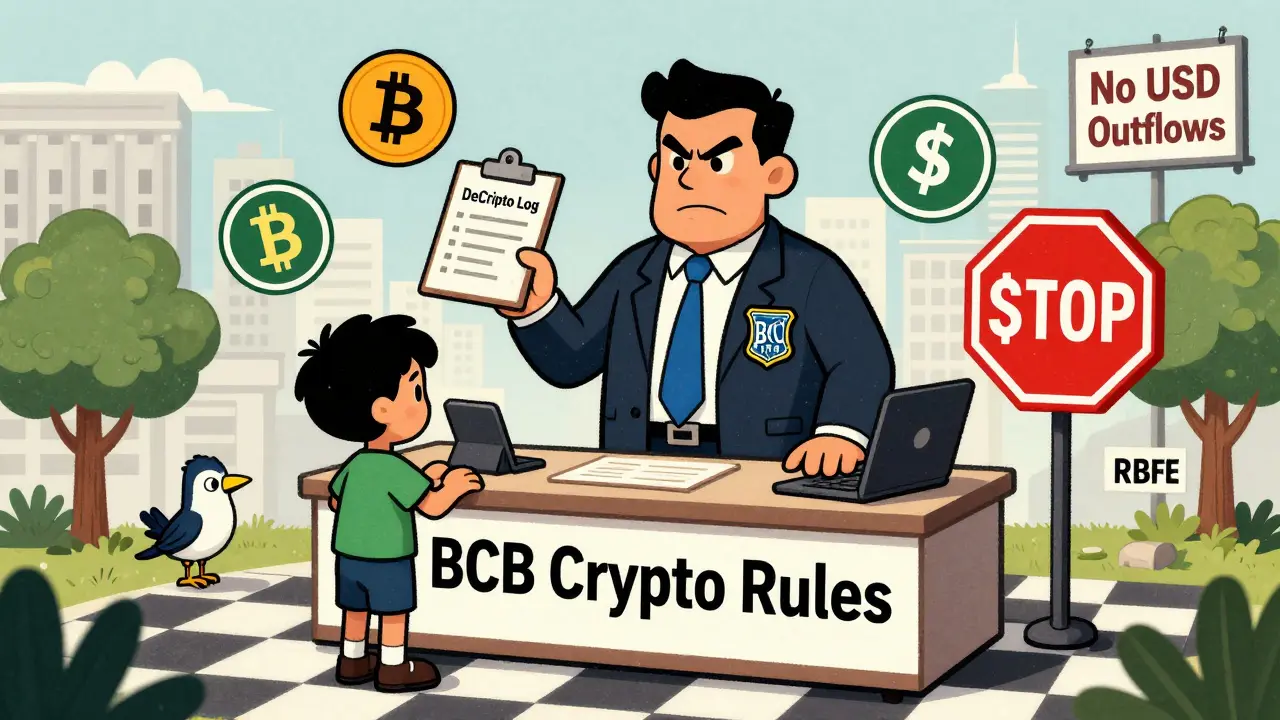
Brazilian Cryptocurrency Law: What It Means for Traders and Investors
When it comes to Brazilian cryptocurrency law, the regulatory framework that governs how crypto is bought, sold, taxed, and reported in Brazil. Also known as Brazilian crypto regulations, it’s not a ban—it’s a system built for oversight, not prohibition. Unlike China or Nigeria, Brazil doesn’t stop you from owning Bitcoin or Ethereum. Instead, it demands you report it, pay taxes on gains, and use licensed platforms. This isn’t about stopping crypto—it’s about bringing it into the light.
The Central Bank of Brazil (BCB), the nation’s financial regulator responsible for overseeing monetary policy and financial institutions, including crypto exchanges has pushed for transparency since 2018. By 2023, all crypto exchanges operating in Brazil had to register with the BCB and follow strict KYC rules. If you’re trading on Binance, Coinbase, or a local platform like Mercado Bitcoin, you’re already under their watch. The Brazilian Revenue Service (Receita Federal), the government agency that collects taxes and enforces financial reporting laws requires every crypto transaction over R$30,000 to be declared annually. Even small trades add up—you’re legally required to track every buy, sell, and swap.
Why does this matter? Because Brazil is one of the world’s biggest crypto markets by user count. Over 30 million people own crypto, mostly Bitcoin and stablecoins. Many use it to protect savings from inflation or send money across borders cheaply. But if you don’t file your taxes, you risk fines up to 75% of the unreported amount—or worse, criminal charges. There’s no gray area: the government tracks wallet addresses linked to registered exchanges. Even if you use a non-Brazilian platform, if you’re a resident, you’re still on the hook.
Some people try to avoid the rules with P2P trades or decentralized exchanges, but that’s risky. The BCB has cracked down on unlicensed platforms, and local banks now flag crypto-related transfers. You can’t hide forever. The real winners are those who understand the system: they use regulated exchanges, keep clean records, and pay taxes like any other income. It’s not about fighting the law—it’s about working within it to protect your assets.
What you’ll find below are real stories and breakdowns from people navigating Brazil’s crypto landscape. You’ll see how traders handle tax season, which exchanges are safest, why stablecoins are booming, and what happens when the rules change overnight. No theory. No hype. Just what’s actually happening on the ground in São Paulo, Rio, and beyond.