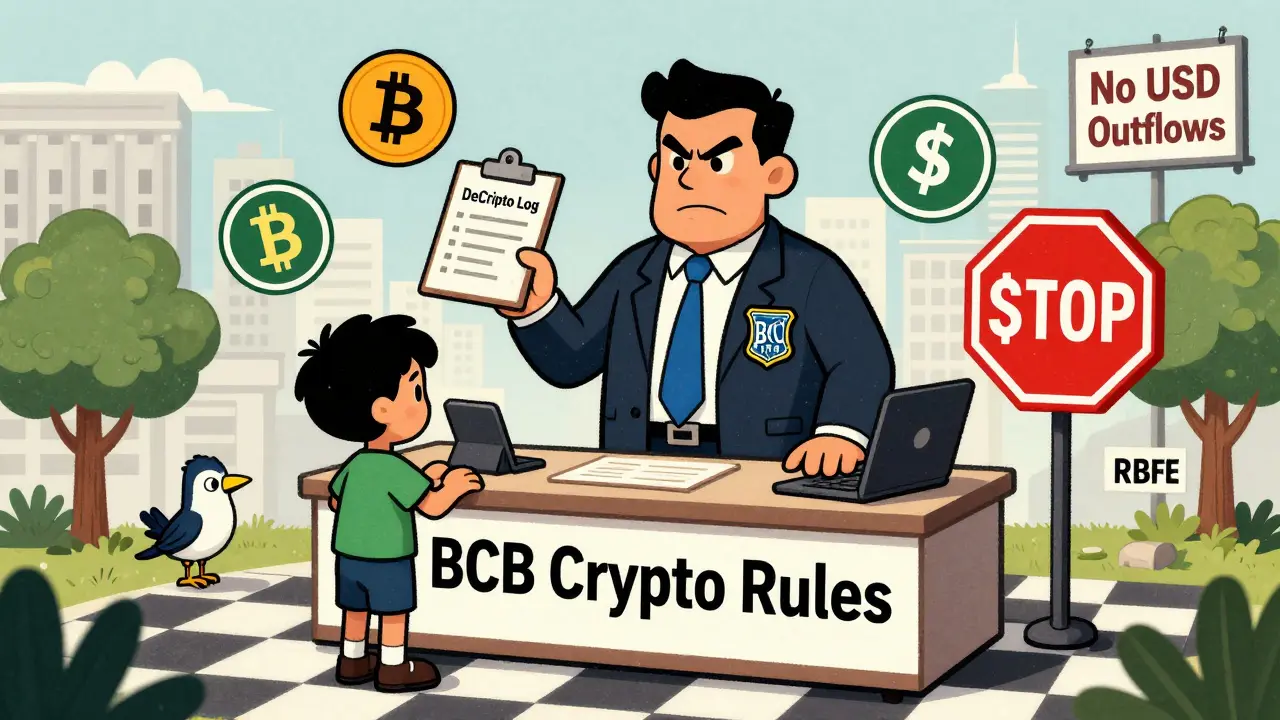
BCB Crypto Rules: What They Mean for Traders and Compliance
When it comes to BCB crypto rules, regulatory guidelines set by the British Columbia Securities Commission for cryptocurrency activities in Canada. Also known as Canadian crypto regulations, these rules require exchanges, wallet providers, and traders to follow strict reporting and security standards to prevent fraud and money laundering. Unlike vague national policies, BCB crypto rules are specific, enforceable, and tied to real-world financial oversight.
These rules don’t exist in a vacuum. They’re part of a broader global framework led by the FATF, Financial Action Task Force, an international body that sets anti-money laundering standards for digital assets. When a Canadian crypto platform follows BCB rules, it’s also aligning with FATF’s Travel Rule, which forces exchanges to share sender and receiver data on transactions over $1,000. That’s why platforms like WEEX and Upbit—both regulated in Canada—have KYC systems built in from day one. It’s not optional. Skip it, and you risk shutdowns, fines, or worse.
And it’s not just exchanges. If you’re running a DeFi project, launching a token, or even running a crypto lending service in British Columbia, you’re likely a VASP, Virtual Asset Service Provider, a term that covers any business handling crypto on behalf of others. That means you need a compliance program, transaction monitoring tools, and a way to report suspicious activity. The BCB doesn’t care if your code is elegant or your tokenomics are brilliant. If you’re moving value and not following the rules, you’re in violation.
What does this mean for you? If you’re trading on a platform that doesn’t ask for ID, you’re likely using a non-compliant service. That’s risky. If you’re an investor holding tokens from a project that never disclosed its team or legal status, you’re exposed. The BCB crypto rules exist to protect you—not to slow you down. They force transparency. They cut out the shady actors. And they make it harder for scams like the FDT airdrop or DeHero fake token drops to fool people.
These rules also explain why some crypto projects vanish from Canadian exchanges. If they can’t meet the compliance bar—no matter how hyped they are—they get removed. That’s why you won’t find platforms like Helix Markets or DuckSwap on Canadian-regulated lists. They lack the infrastructure, the reporting, or the willingness to play by the rules. And that’s not a bug. It’s a feature.
Underneath all this is a simple truth: crypto isn’t lawless. In Canada, especially in British Columbia, the lines are drawn. You can still trade, earn, and build—but you have to do it the right way. The posts below show you exactly how these rules play out in real cases: from how Canada led the world with Bitcoin ETFs, to how Chinese traders are forced underground, to how Thailand jails non-compliant operators. The pattern is clear. Where regulation is enforced, the market survives. Where it’s ignored, the scams win.