

You’ve heard the name Yum Yum popping up in Telegram groups or social media feeds. The promise is simple: low fees, high yields, and a platform that’s supposedly easier to use than the giants like Binance or Coinbase. But here is the hard truth about this specific platform: there is almost zero credible information available about it.
In the world of cryptocurrency, silence is not golden; it is dangerous. When you cannot find independent reviews, regulatory filings, or even a clear company address for an exchange, you are walking into a potential trap. This review isn’t just about listing features-it’s about helping you decide whether your money is safe on a platform that operates in the shadows.
The Reality Check: Does Yum Yum Actually Exist?
Let’s cut through the noise. If you type "Yum Yum crypto exchange" into a search engine right now, you won’t find a Wikipedia page, a CoinMarketCap listing, or a Trustpilot profile with thousands of verified reviews. You might find some promotional articles paid for by affiliates, but where are the independent voices? Where are the security audits?
A legitimate cryptocurrency exchange is a financial institution. It needs to be transparent. Major platforms like Kraken or Coinbase publish their reserve proofs, list their team members on LinkedIn, and disclose their headquarters. Yum Yum Exchange is an obscure cryptocurrency trading platform with no verifiable public track record or regulatory presence.
If you are reading this because someone sent you a link promising easy profits, pause. The lack of digital footprint is the first major red flag. In 2026, every serious player in the crypto space has a massive online presence. Obscurity usually means one of two things: the project is brand new and untested, or it is a scam designed to vanish once they have enough deposits.
Security Features: What Are They Hiding?
Security is non-negotiable. You wouldn’t leave your house keys under the mat, so why would you leave your life savings on an exchange that doesn’t tell you how it protects them? Let’s look at what a secure exchange should offer versus what we know about Yum Yum.
| Feature | Reputable Exchanges (e.g., Coinbase, Kraken) | Unknown Platforms (e.g., Yum Yum) |
|---|---|---|
| Cold Storage | 95%+ of assets in offline cold wallets | Unverified claims or no information |
| Proof of Reserves | Regular Merkle Tree audits by third parties | No public audit history |
| Regulatory Compliance | Licensed in multiple jurisdictions (US, EU, UK) | Often registered in offshore havens or nowhere |
| Insurance | Fidelity bond insurance for digital assets | None disclosed |
When an exchange doesn’t publish its security architecture, you have to assume the worst. Do they use multi-signature wallets? Do they have bug bounty programs? Without answers, you are gambling. A common tactic for shady exchanges is to claim they have "military-grade encryption" while running their backend on outdated servers vulnerable to basic SQL injection attacks. Don’t take their word for it; demand proof.
Trading Fees and Hidden Costs
Fees are where exchanges make their money, and also where they can trick you. Many new platforms lure users in with "zero fees" or "0.1% trading fees." Sounds great, right? But look closer.
First, check the spread. The spread is the difference between the buy and sell price. If Bitcoin is trading at $60,000 elsewhere, but Yum Yum buys it from you at $59,800 and sells it to you at $60,200, you are losing money on every trade, regardless of the stated fee structure. This is called slippage, and on illiquid platforms, it can be devastating.
Second, watch out for withdrawal fees. Some exchanges charge nothing to deposit but take a huge chunk when you try to cash out. They might charge a flat fee of 0.05 BTC per withdrawal, which sounds small until you realize that’s thousands of dollars. Always calculate the total cost of moving your funds in and out before you commit any capital.
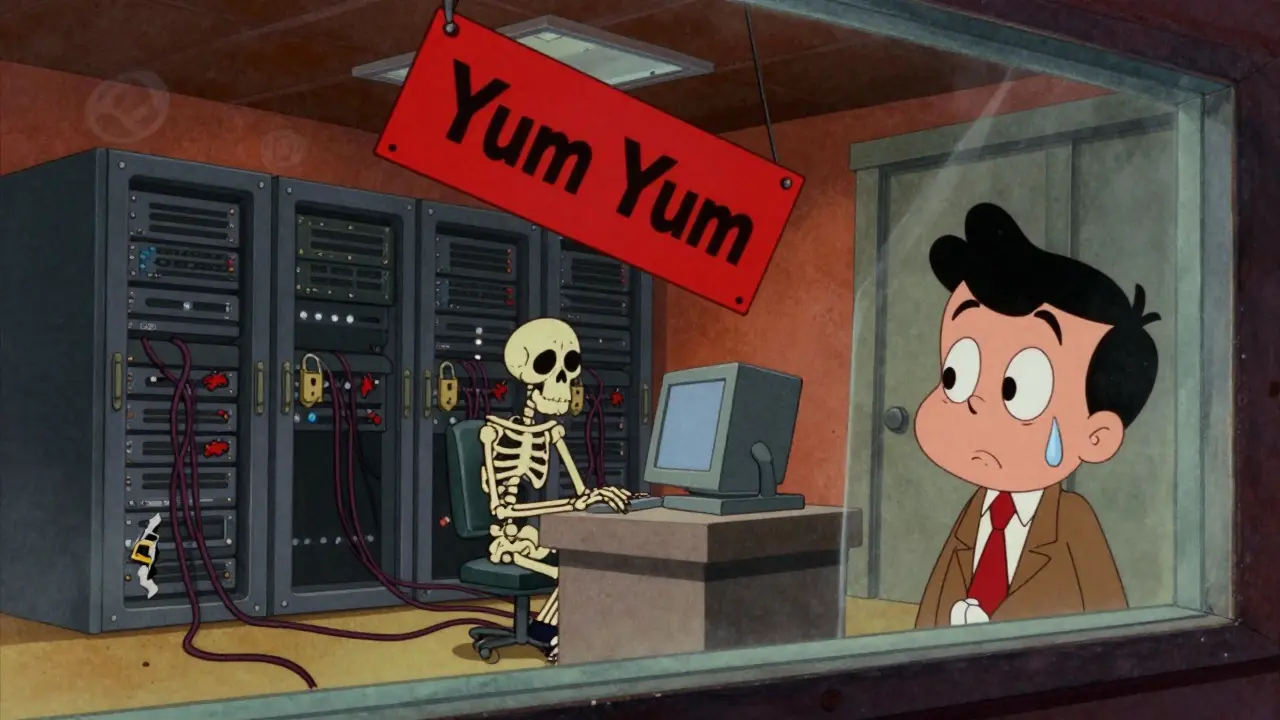
KYC and Privacy Concerns
Know Your Customer (KYC) procedures are standard for legal reasons. They prevent money laundering and terrorist financing. However, the way Yum Yum handles data is unclear.
Legitimate exchanges use encrypted storage for your ID documents and comply with GDPR or CCPA regulations. If Yum Yum asks for your passport and selfie without explaining how that data is stored, who has access to it, and whether it will be sold to third parties, you need to walk away. Data breaches are common in crypto. If your identity info ends up on the dark web, the damage goes far beyond your wallet balance.
User Experience and Platform Stability
Have you tried logging in? Is the interface smooth, or does it lag? User experience (UX) is often a proxy for technical competence. A clunky website suggests a small, inexperienced development team. More importantly, check the liquidity. Can you actually execute large trades without crashing the price? If the order book is thin, you might find yourself unable to sell during a market crash-a nightmare scenario known as a "liquidity crisis."
Also, consider customer support. Try sending them a message. How long do they take to reply? Are the answers generic copy-paste jobs, or do they address your specific issue? Poor support is a hallmark of platforms that prioritize acquisition over retention. When things go wrong-and they always do-you need humans who can help, not bots.
Alternatives That Actually Work
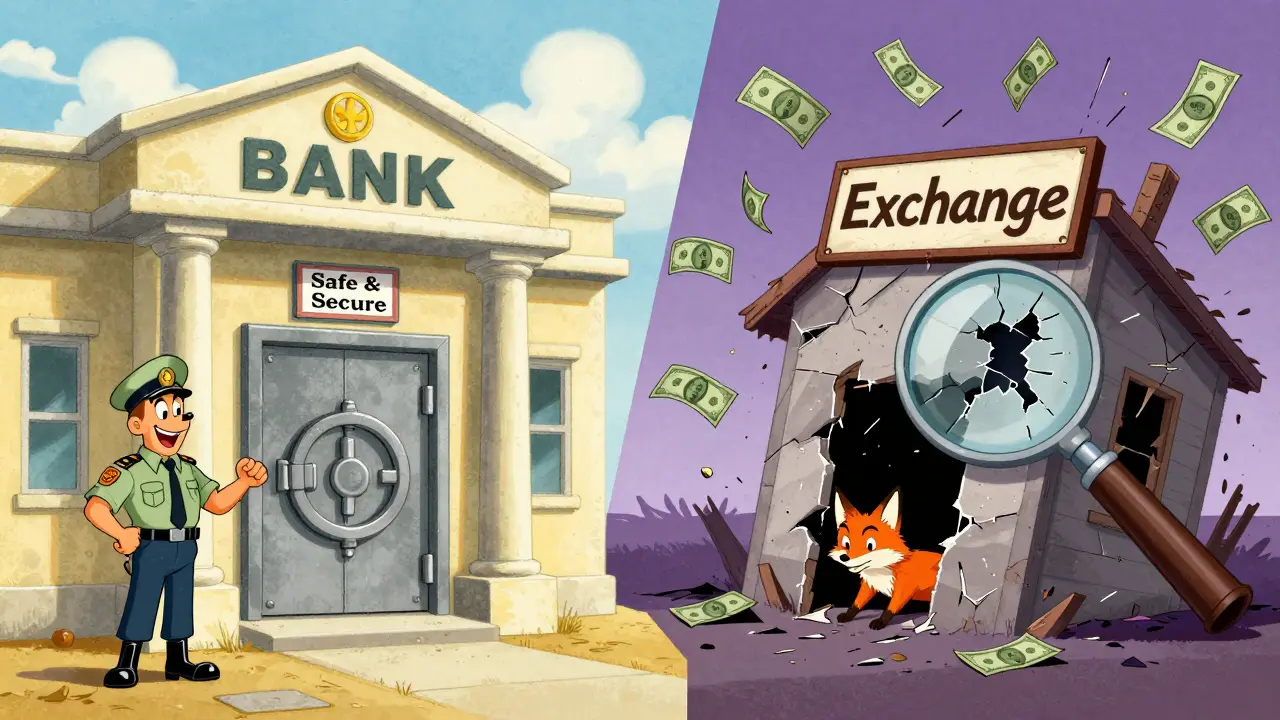
Why risk it all on an unknown entity when established alternatives exist? Here are three proven options depending on your needs:
- Coinbase: Best for beginners. Publicly traded, highly regulated, and offers insured custody. Higher fees, but maximum safety.
- Kraken: Great for intermediate traders. Strong security history, lower fees than Coinbase, and excellent customer support.
- Binance: For advanced users. Huge selection of coins, deep liquidity, and complex tools. Note: Regulatory scrutiny varies by region.
These platforms have survived multiple bear markets, hacks, and regulatory crackdowns. They have skin in the game. Yum Yum does not.
Red Flags Checklist Before You Deposit
Before you send even one dollar to Yum Yum or any similar unknown exchange, run through this checklist:
- Is the company registered in a reputable jurisdiction?
- Can you find the CEO or founder on professional networks?
- Are there independent security audits published?
- Do real users discuss it on Reddit or Twitter (not just paid influencers)?
- Is the website free of grammatical errors and broken links?
- Does it promise unrealistic returns (e.g., "10% daily")?
If you answer "no" to more than two of these, stay away. The crypto market is full of opportunities, but it is also littered with the wreckage of scams. Protect your principal above all else.
Is Yum Yum crypto exchange a scam?
While we cannot definitively label it a scam without legal evidence, the lack of transparency, regulatory compliance, and independent verification makes it extremely high-risk. It exhibits many characteristics of fraudulent platforms, including obscurity and unverifiable claims.
What are safer alternatives to Yum Yum?
For most users, Coinbase, Kraken, and Binance are significantly safer choices due to their regulatory licenses, public audit histories, and established reputations. These platforms offer better security and customer support.
How do I check if a crypto exchange is legit?
Look for regulatory licenses in your country, check for Proof of Reserves audits, read independent user reviews on forums like Reddit, and verify the company’s physical address and team members. Avoid platforms that promise guaranteed high returns.
Are there hidden fees on Yum Yum?
Without transparent fee schedules, it is likely. Common hidden fees include wide bid-ask spreads, high withdrawal costs, and inactivity fees. Always test with a small amount before depositing significant funds.
Should I use my main wallet for Yum Yum?
Absolutely not. Never connect your primary hardware wallet or move your life savings to an unverified exchange. Use a separate, low-balance account if you must experiment, but expect to lose those funds.
Terry Hyland
June 18, 2026 AT 06:46It is absolutely disgusting how people still fall for these obvious traps. The whole crypto space is a moral failing of society, allowing thieves to operate with impunity. You are walking into a dark room and expecting not to get hit. It is shameful.
Monica Pathammavong
June 19, 2026 AT 07:50i mean like duh?? who wouldnt check if its legit first lol. but seriously the lack of info is sus af. i looked up their domain registration and its hidden behind privacy protectors which is classic scammer move. also why does the logo look so cheap??
Tim Lefebvre
June 19, 2026 AT 11:06hey guys just wanted to add that i tried contacting them last week and got no reply. usually legit exchanges have support within hours. this silence is worrying tbh. maybe wait for more reviews before putting money in?
Manish Prajapat
June 21, 2026 AT 00:17The philosophical implication of trust in digital systems is profound. When an entity refuses transparency, it breaks the social contract required for economic exchange. We must consider whether our desire for yield overrides our need for security. It is a delicate balance between greed and prudence.
John Doe
June 22, 2026 AT 06:51I can feel the anxiety radiating from this post. It is terrifying to think about losing everything to a shadowy platform. Please, hear me when I say your safety matters more than any potential profit. Do not let fear drive you into the arms of scammers. Stay strong.
Mekz Wheoki
June 23, 2026 AT 01:23Oh wow, another review telling people what they already know? Shocking news: if it sounds too good to be true, it is. Did we really need an article for this? Use your brain, folks. If you need to read this to avoid scams, you are already too late.
Skm Shubham
June 24, 2026 AT 20:51Let us analyze the structure of this deception. The absence of regulatory filings is not an oversight; it is a strategic choice to evade liability. This is a textbook example of a pump-and-dump scheme disguised as innovation. Ignorance is not bliss; it is financial suicide.
Rob Aronson
June 25, 2026 AT 09:47From a risk management perspective, the alpha here is zero 📉. The beta exposure to fraud is extremely high. I always advise my portfolio to stick to audited smart contracts and regulated custodians. Yum Yum fails the basic due diligence checklist on every metric. Stay safe out there! 🛡️💰
Kwon Bill
June 26, 2026 AT 01:33In the global fintech ecosystem, interoperability and compliance are key. Platforms like Yum Yum ignore international standards such as FATF guidelines. This isolation makes them vulnerable to sanctions and operational shutdowns. True innovation requires adherence to global norms, not evasion.
Danna Charris
June 27, 2026 AT 01:13Please. Only amateurs worry about this. Real investors know where the action is. Stick to Coinbase or Kraken. Don't waste time on trash.
Fede Faith
June 27, 2026 AT 05:54You got this! Just remember to prioritize your mental health and financial security. It is okay to walk away from suspicious opportunities. Trust your gut feeling. If something feels off, it probably is. Keep learning and stay vigilant.
Josh Dodson
June 28, 2026 AT 03:50Hey friend! Great post. Just wanna say u r right about the red flags. I almost fell for it too but then i saw no team page. So scary! Always DYOR bro. U got this! 💪
Suman Patil
June 29, 2026 AT 00:40Let's come together and spread awareness! The crypto community thrives on knowledge sharing. By exposing these shady platforms, we protect each other. Let's build a safer future for all traders. No one should be left behind in the dark.
Kumaran sowkarpet
June 30, 2026 AT 13:17Hello friends! In India we have many such scams too. Please be careful. I use Binance mostly because it is trusted. Yum Yum has no presence here. Avoid it please :) 🙏
Mauricio Contreras Loredo
June 30, 2026 AT 18:14Sure, because nothing says 'trust me' like having no website history. Oh wait, that's sarcasm, right? Anyway, glad someone wrote this so I don't have to explain it to my grandma again. She almost sent her pension to a guy named CryptoKing on Telegram.
sreeja boora
July 1, 2026 AT 23:11This platform poses a significant threat to national financial security. Unregulated entities undermine sovereign monetary policies. Citizens must remain vigilant against foreign-based fraudulent operations that exploit technological gaps. We must demand stricter enforcement.
Grace Newman
July 3, 2026 AT 09:52One must consider the deeper implications of such obscurity. Is this merely a business failure, or part of a larger coordinated effort to destabilize traditional finance? The shadows conceal much more than just bad code. They hide agendas that threaten our very autonomy.
Kenneth Riley
July 4, 2026 AT 23:52OMG this is literally the worst thing ever!! Who even allows this?? Its insane that people dont see the signs. The fees are hidden everywhere and the support is non-existent. I am so angry just reading about it. Everyone needs to wake up!!!
ravi mahla
July 5, 2026 AT 03:23Haha nice try guys. But seriously, if you cant find info on google, run away. Fast. Like really fast. Don't be that person who loses money because they were greedy. Stay sharp!
Mark Brunschwiler
July 6, 2026 AT 00:52Why do we keep asking questions when the answer is obvious? The void stares back at you. Your money disappears into the ether. It is tragic really. I feel your pain. Truly. It hurts me to see you suffer like this. Please stop.
Sonya O'Brien
July 7, 2026 AT 07:10I have been following this story for a while now and it is quite interesting how these platforms pop up and disappear. It seems like a cycle that never ends. I agree with the points made about transparency being crucial for long-term sustainability in any market. We need to hold these companies accountable.
Filbert Reeves
July 7, 2026 AT 09:48Actually i think the government is hiding the real data about Yum Yum. They want you to believe it is a scam so you dont use decentralized freedom. Coincidence that all major media ignores it? No way. Wake up sheeple. The truth is out there but they bury it deep.