
You might be searching for the YOOSHI SHIB ARMY NFT airdrop because you heard rumors of free tokens or missed out on the original event. The truth is simple: this specific airdrop happened in May 2021 and is long over. If you are looking to claim these NFTs today, you cannot. However, understanding exactly how this event worked, who was eligible, and why it matters in the history of the Shiba Inu ecosystem can help you avoid scams and spot legitimate opportunities in the future.
The YOOSHI project was a community-driven initiative within the broader Shiba Inu family. It leveraged the massive popularity of the SHIB token to distribute digital collectibles to early supporters. This guide breaks down the exact details of that event, the technical requirements that were needed back then, and what you should know about similar projects today.
What Was the YOOSHI SHIB ARMY NFT?
YooShi is a decentralized project and NFT collection built on the Binance Smart Chain (BSC) as part of the Shiba Inu ecosystem. Unlike Ethereum-based NFTs which often carry high gas fees, YooShi utilized BSC to make transactions faster and cheaper for its community members.
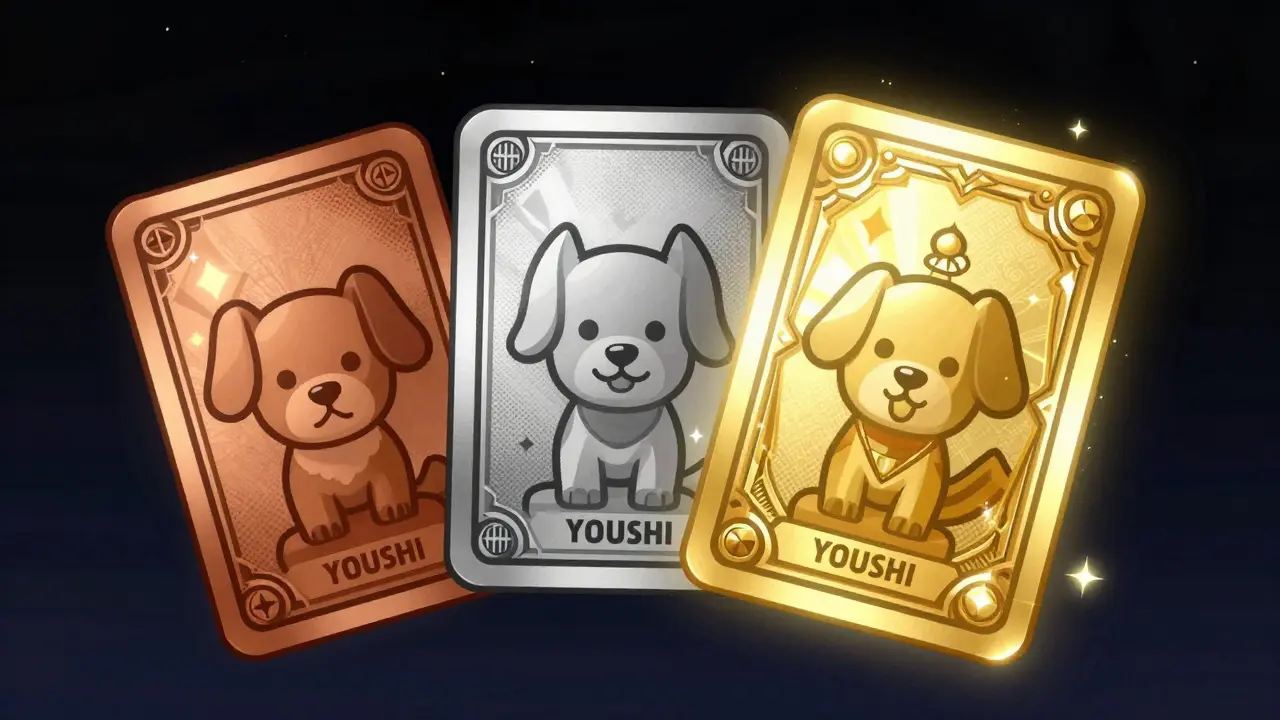
The "SHIB ARMY" refers to the dedicated community of Shiba Inu holders. The YOOSHI NFT airdrop was designed as a reward mechanism for this group. It wasn't just a random giveaway; it was a targeted distribution to people who had already proven their loyalty to the brand by engaging with specific campaigns. The NFTs themselves were digital images representing membership in this exclusive army, featuring tiered rarity levels like Bronze, Silver, and Gold editions.
This project emerged during the peak of the 2021 crypto bull run. During this period, NFT mania was at its highest point. Projects used airdrops not just for marketing, but to build a decentralized governance structure. By giving away NFTs, YooShi aimed to create a base of stakeholders who would actively promote the project.
Airdrop Timeline and Claiming Window
Timing was everything for this event. The window to participate was incredibly short, lasting only four days. Here is the exact schedule that defined the event:
- Start Date: May 27, 2021, at 1:00 PM UTC
- End Date: May 31, 2021, at 1:00 PM UTC
- Platform: Claims were processed exclusively through yooshi.io
If you did not connect your wallet and claim your allocation within this specific 96-hour window, you lost your eligibility permanently. There have been no extensions or retroactive claims since then. Any website claiming you can still claim the original 2021 YOOSHI NFTs is likely a phishing scam designed to steal your private keys.
The urgency was intentional. Cryptocurrency projects often use limited-time windows to create scarcity and drive immediate action. This forced participants to act quickly, ensuring high engagement rates during the launch phase.
Eligibility Criteria: Who Got the NFTs?
You couldn't just walk up and take an NFT. The project required users to meet strict criteria before they could even see the claim button. This filtering process ensured that only genuine community members received the assets.
To be eligible, you had to complete two main tasks prior to the airdrop date:
- Join Campaigns: You needed to participate in both the #YOOSHI and #CMC (CoinMarketCap) NFT airdrop campaigns. This usually involved social media actions like retweeting specific posts or joining Telegram groups.
- Whitelist Your Wallet: You had to whitelist your Binance Smart Chain (BSC) address. This meant registering your public wallet address on the official YooShi platform so the system knew where to send the NFT.
The partnership with CoinMarketCap was crucial here. CMC is one of the largest cryptocurrency data platforms in the world. By requiring participation in a CMC campaign, YooShi tapped into a massive audience of serious crypto investors, not just casual meme fans. This cross-promotion gave the project instant credibility and visibility.
Your wallet must have been compatible with the Binance Smart Chain network. Ethereum wallets like MetaMask work fine, but you had to ensure they were switched to the BSC network settings. If you tried to claim using an Ethereum-only address without bridging or switching networks, the transaction would fail.
NFT Structure and Rarity Tiers
The YOOSHI collection wasn't uniform. It featured a tiered structure designed to mimic traditional trading cards or lottery tickets. This added a layer of excitement and potential value differentiation among the recipients.
| Edition Type | Rarity Level | Perceived Value |
|---|---|---|
| Bronze Edition | Common | Lowest |
| Silver Edition | Uncommon | Moderate |
| Gold Edition | Rare | Highest |
Receiving a Gold Edition NFT was significantly harder than receiving a Bronze one. This randomness encouraged speculation. Even though the initial acquisition was free (an airdrop), the secondary market potential for rarer items drove interest. Many participants hoped to flip their Gold NFTs for profit on marketplaces like PancakeSwap or specialized NFT exchanges.
The total supply associated with the broader YooShi ecosystem was reported at over 45 billion tokens. While the NFT count was much lower, this massive token supply highlighted the deflationary mechanics often tied to such projects. Some related initiatives, like the Shib Army Inferno, burned a percentage of minting proceeds to reduce the circulating supply of SHIB tokens, theoretically increasing their value.
Technical Requirements and Security
Participating in any crypto airdrop requires careful attention to security. For the YOOSHI event, the technical backbone was the Binance Smart Chain. This choice was strategic. BSC offers fast block times and low fees compared to Ethereum, making it ideal for distributing thousands of NFTs simultaneously without clogging the network.
Users needed a non-custodial wallet. Popular choices included Trust Wallet or MetaMask configured for BSC. You never share your private key or seed phrase. Legitimate airdrops only ever ask for your public address to whitelist or receive assets. If a site asks for your private key, close it immediately.
The claiming process involved interacting with a smart contract on the yooshi.io domain. Smart contracts are self-executing codes that automatically transfer the NFT to your wallet once conditions are met. This eliminates human error and ensures fairness, provided the code itself is secure. Always verify the URL. Phishing sites often look identical to the real thing but have slight misspellings in the domain name.
Current Status and Legacy
As of 2026, the original YOOSHI SHIB ARMY NFT airdrop is a historical event. The project has evolved, and the focus of the Shiba Inu ecosystem has shifted dramatically. Today, the spotlight is on Shibarium, the Layer-2 scaling solution for Shiba Inu.
Shibarium represents a move toward utility. Instead of just collecting JPEGs, the ecosystem now focuses on decentralized finance (DeFi) applications and gaming. Recent upgrades, including the Cancun hardfork integration, have improved efficiency and reduced costs further. Newer airdrops in this space are tied to usage of these DeFi protocols rather than simple social media engagement.
The YOOSHI NFTs still exist on the blockchain. They haven't disappeared. However, their liquidity and secondary market activity have likely diminished compared to their 2021 peak. Collectors may still hold them for sentimental value or as proof of early participation in the SHIB ARMY movement.
Understanding this evolution helps you navigate current opportunities. If you see a new "YooShi" announcement, check if it's related to Shibarium or a completely different entity. The landscape changes fast, and old brands are sometimes reused by scammers.
How to Spot Similar Opportunities Safely
While the YOOSHI airdrop is closed, new airdrops happen regularly. Here is how to approach them safely based on the lessons from 2021:
- Verify Official Channels: Only trust information from verified Twitter accounts, official Telegram channels, and the project's main website. Check for blue checks or large follower counts that match the project's age.
- Check Whitelist Requirements: Legitimate airdrops usually require whitelisting. Be wary of projects that promise instant rewards without any verification steps, as these are often bots or scams.
- Use a Burner Wallet: When interacting with new smart contracts, use a separate wallet with minimal funds. Never connect your main holding wallet to unverified dApps.
- Understand the Cost: Even "free" airdrops cost gas fees. On BSC, these are low, but on Ethereum, they can be high. Calculate if the potential reward justifies the transaction cost.
The key takeaway is patience and verification. The rush to claim in 2021 led many to overlook basic security checks. Take your time. Read the documentation. Ask questions in community forums. If something feels too good to be true, it probably is.
Can I still claim the YOOSHI SHIB ARMY NFT in 2026?
No, the claiming window closed on May 31, 2021. There are no official extensions or retroactive claims available. Any site offering current claims is a scam.
What blockchain network did the YOOSHI airdrop use?
The airdrop utilized the Binance Smart Chain (BSC). Participants needed BSC-compatible wallets like MetaMask or Trust Wallet to whitelist addresses and receive the NFTs.
Was CoinMarketCap involved in the YOOSHI airdrop?
Yes, CoinMarketCap was a key promotional partner. Eligibility required participation in both #YOOSHI and #CMC campaigns, leveraging CMC's large user base for wider distribution.
Are there different types of YOOSHI NFTs?
Yes, the collection featured Bronze, Silver, and Gold editions. These tiers represented different rarity levels, with Gold being the rarest and potentially most valuable on secondary markets.
Is YooShi still active in the Shiba Inu ecosystem?
The original 2021 airdrop is complete. The broader Shiba Inu ecosystem has evolved toward Shibarium, focusing on DeFi and gaming utilities rather than simple NFT airdrops. Always verify current project status via official channels.