

Is Pixels (PIXEL) Just Another Game Token?
You’ve probably seen the term Pixels (PIXEL) popping up in crypto feeds and gaming forums. It’s not just a random coin; it’s the lifeblood of one of the most popular blockchain games out there. If you’re wondering whether this is a serious investment or just another flashy NFT project, you’re asking the right questions. The short answer? It’s a utility token that powers a massive farming simulator, but its value depends heavily on how many people are actually playing the game.
Let’s break down what PIXEL actually does, why it matters in the Web3 space, and whether it fits into your portfolio or gaming strategy. We’ll look at the tech behind it, how you earn it, and the risks involved.
The Core Concept: What Is Pixels?
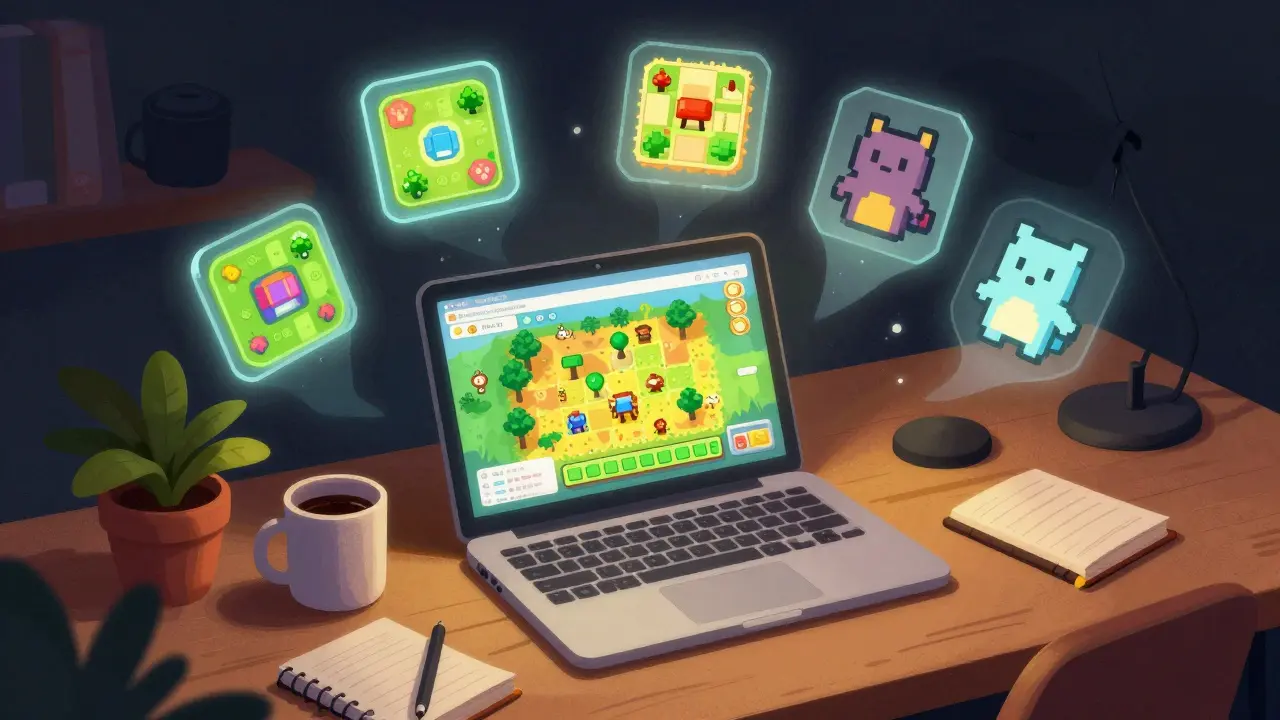
Pixels is a social casual web3 game built on the Ronin Network. Think of it as a modern, pixel-art version of classic farming sims like Stardew Valley, but with a twist: you own your assets. Launched initially in 2021 on the Polygon network before migrating to Ronin in 2023, the game has grown into a full ecosystem known as the PixelVerse.
The PIXEL token serves two main purposes here. First, it’s the primary currency for in-game transactions. Second, it’s a governance tool. This means holders can vote on decisions regarding the community treasury. Unlike some projects that promise everything and deliver little, Pixels has focused on creating a playable, fun experience first, which has helped it retain a dedicated user base even when crypto markets dip.
From BERRY to PIXEL: Understanding the Transition
If you’ve been following Pixels for a while, you might remember the BERRY token. In February 2024, the team made a significant move: they phased out BERRY entirely. Why? Dual-token economies often get complicated. Players had to juggle one token for spending and another for earning, which created friction.
The switch was automatic. If you held BERRY, it was converted to PIXEL at a fixed rate of 1,000 BERRY for 7.6175 PIXEL. This simplified the economy. Now, PIXEL is the only native token. You use it to buy land, trade items, and participate in governance. This consolidation is generally seen as a positive step for stability, making the platform easier for new users to understand without needing a degree in economics.
How Does the PIXEL Economy Work?
To understand the value of PIXEL, you need to look at its tokenomics-the supply and distribution rules. Here’s the breakdown:
- Total Supply: 5 billion tokens.
- Circulating Supply: Around 771 million (as of mid-2024 data).
- Ecosystem Rewards: 34% of the total supply is allocated to rewards for players who complete in-game tasks.
- Team Reserve: 12.5% is held by the development team.
This structure is designed to incentivize active participation. When you farm crops, craft items, or explore the map, you’re contributing to the ecosystem, and PIXEL is the reward mechanism. However, keep in mind that a large portion of the supply is still locked or reserved. As more tokens enter circulation through rewards, inflation could be a factor if demand doesn’t keep pace.
| Attribute | Value/Detail |
|---|---|
| Blockchain | Ronin Network (formerly Polygon/Ethereum ERC-20) |
| Token Type | Utility & Governance |
| Max Supply | 5 Billion |
| Primary Use Case | In-game purchases, trading, governance voting |
| Wallet Requirement | External wallet (e.g., Ronin Wallet); no integrated wallet |
Playing the Game: How Do You Earn PIXEL?
You don’t need a high-end PC to play Pixels. It’s browser-based, meaning you can jump in from your laptop or phone. But to really make the most of it, you’ll likely want to engage with the deeper mechanics.
- Free-to-Play Entry: Anyone can start farming for free. You’ll earn small amounts of PIXEL and basic resources. It’s slow, but it’s a way to learn the ropes without risk.
- NFT Farmland: For serious players, buying NFT land on the Mavis Marketplace changes the game. Owned land yields higher rewards and allows for more advanced crafting. This is where the real "play-to-earn" potential lies.
- Pixel Pets: These aren’t just cute companions. They provide buffs and bonuses that increase your efficiency, helping you gather resources faster.
The key takeaway? Time and initial investment (in the form of NFTs) correlate with earnings. It’s not a "click-and-get-rich" scheme. It requires consistent engagement, much like any other online game.
The PixelVerse: More Than Just Farming
Pixels isn’t just one game; it’s part of a larger ecosystem called the PixelVerse. This includes three interconnected components:
- PixelBuild: Allows creators to design their own multimedia NFTs and game assets.
- PixelClout: A platform for verified creators to showcase their work and gain recognition.
- PixelLaunch: Helps launch new NFT collections and projects within the ecosystem.
This approach diversifies the value proposition of PIXEL. Even if you’re not interested in farming, you might be drawn in as a creator or an artist. This broadens the user base beyond just gamers, potentially increasing demand for the token.
Technical Setup: Wallets and Networks
One thing that trips up new users is the wallet situation. Pixels does not have its own built-in wallet. You need to use an external wallet compatible with the Ronin Network. The most common choice is the Ronin Wallet, which integrates smoothly with the game.
Why Ronin? The migration from Polygon to Ronin in 2023 was strategic. Ronin is a layer-2 blockchain specifically optimized for gaming. It offers faster transaction speeds and lower gas fees compared to Ethereum or even Polygon during peak times. This means when you’re trading items or claiming rewards, you won’t wait around for minutes or pay exorbitant fees. It makes the micro-transactions essential to gaming feel seamless.
Market Performance and Volatility
Like all crypto assets, PIXEL is volatile. Its price is directly tied to the success and adoption of the Pixels game. If player numbers drop, demand for the token drops. If a new update goes viral, prices can spike.
In mid-2024, PIXEL saw significant trading volume, with over $86 million traded in a single day at one point. However, it also experienced sharp declines, such as a 14.6% drop in a seven-day period reported by CoinGecko, outperforming the broader market’s decline in volatility. This highlights a critical risk: gaming tokens are speculative. They perform well in bull markets when interest in Web3 is high, but they can suffer heavily when sentiment turns negative.
Currently ranked around #245 in the crypto ecosystem, PIXEL sits in the mid-tier. It’s established enough to have liquidity on major exchanges like Bitget, but it’s not yet a blue-chip asset like Bitcoin or Ethereum. Treat it accordingly.
Pros and Cons: Is PIXEL Worth Your Attention?
Before you dive in, weigh these factors:
| Pros | Cons |
|---|---|
| Accessible via browser (no heavy hardware needed) | High volatility typical of gaming tokens |
| Strong active community and regular updates | Requires external wallet setup (learning curve) |
| Simplified single-token economy post-BERRY transition | Earnings depend on time invested and NFT ownership |
| Built on low-fee Ronin Network | Value tied strictly to game popularity |
Final Thoughts
Pixels (PIXEL) stands out in the crowded Web3 gaming space because it prioritizes gameplay over hype. It’s a genuine farming sim with a robust economy. If you enjoy casual games and are comfortable managing crypto wallets, it’s worth trying. If you’re looking for a passive income stream with zero effort, this isn’t it. The token’s future hinges on the continued growth of the PixelVerse and the ability of the team to keep players engaged long-term.
Can I play Pixels for free?
Yes, Pixels is free-to-play. You can create an account and start farming immediately without buying anything. However, earning significant amounts of PIXEL usually requires owning NFT land or pets, which involves an upfront cost.
Which wallet do I need for PIXEL?
You need a wallet compatible with the Ronin Network. The Ronin Wallet is the recommended option as it integrates directly with the Pixels game interface. Metamask can also be used if configured for the Ronin chain.
What happened to the BERRY token?
In February 2024, Pixels replaced the BERRY token with PIXEL to simplify the economy. All existing BERRY was automatically converted to PIXEL at a rate of 1,000 BERRY to 7.6175 PIXEL. PIXEL is now the sole native token.
Is PIXEL a good investment?
PIXEL is highly speculative. Its value is tied to the popularity of the game. While it has shown strong growth periods, it also experiences significant volatility. It should be considered a high-risk asset suitable only for those who understand the gaming crypto sector.
Where can I buy PIXEL tokens?
PIXEL is listed on several cryptocurrency exchanges, including Bitget. You can also acquire PIXEL through peer-to-peer trading within the Pixels ecosystem using the Mavis Marketplace, though direct exchange purchases are easier for beginners.