
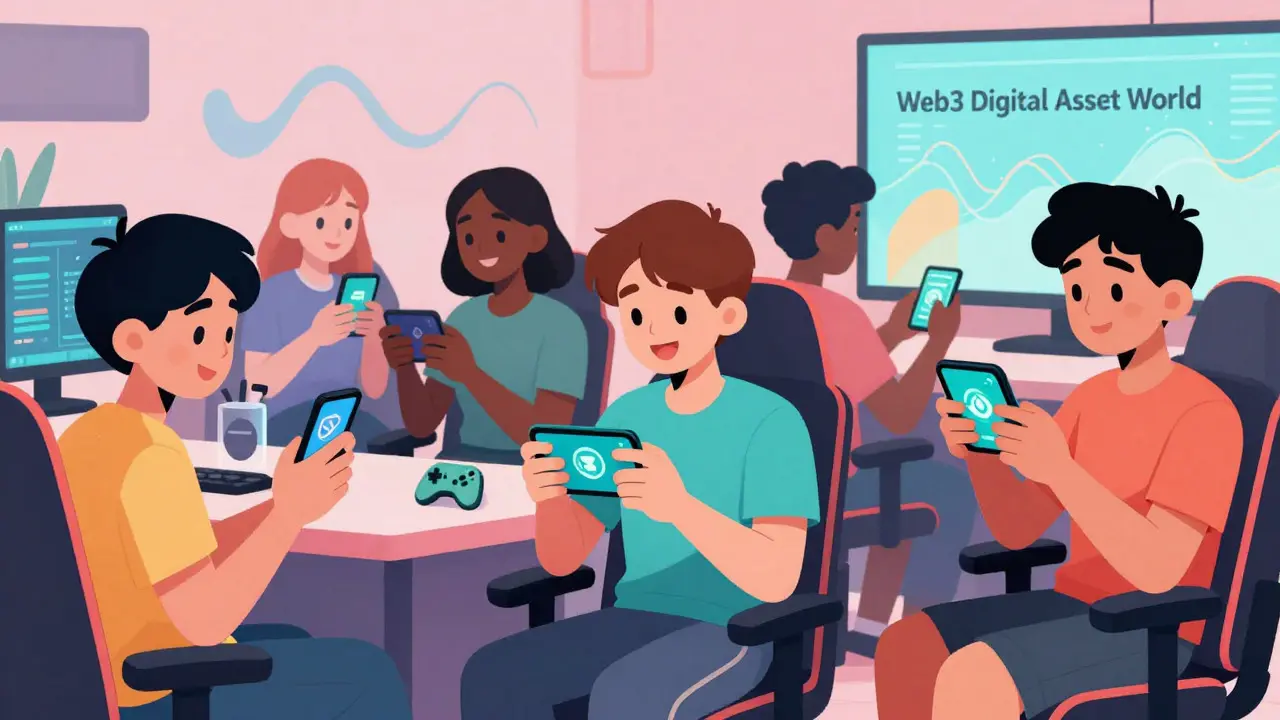
Remember when you first bought crypto? You probably felt a mix of excitement and terror. What if the platform vanished? What if your password got hacked? In 2023, Websea is a centralized cryptocurrency exchange targeting young users with social and gaming features. It launched itself as "The Web3 Digital Asset World for Global Youth." But in the volatile world of digital assets, catchy slogans don't protect your money. So, is Websea a safe place to park your savings, or just another shiny new app that will disappear by next year?
I’ve spent weeks digging into the data, talking to early adopters, and comparing Websea against giants like Binance and Coinbase. The truth is complicated. For some, it’s an easy entry point. For others, it’s a red flag waiting to happen. Here is what you need to know before you deposit a single dollar.
What Exactly Is Websea?
Websea isn’t trying to be everything to everyone. That’s its main selling point. While Binance is the largest global crypto exchange by volume offers thousands of coins and complex derivatives, Websea focuses on one specific group: people under 25 who are new to crypto.
Launched in 2023 and registered in Singapore, the platform combines standard trading tools with social features. Think of it like Instagram meets a stock broker. You can trade Bitcoin, but you can also see what your friends are buying. They call this "social aggregation." Their native token, WBS is the utility token of the Websea exchange used for fees and rewards, plays a big role here. As of late 2023, WBS was trading around $1.55, with daily volumes hitting over $72 million. That’s decent activity for a new player, but it’s tiny compared to the billions flowing through established exchanges.
The core idea is simple: make crypto less intimidating. If you’re a student in Perth or a gamer in Seoul, Websea wants to be your first stop. But does simplicity come at the cost of security?
Features That Might Actually Appeal to You
If you hate clunky interfaces, Websea might feel refreshing. The mobile app is clean, fast, and doesn’t look like it was built in 2015. Here’s what stands out:
- Copy Trading: This is huge for beginners. You can automatically mirror the trades of experienced investors. If they buy Ethereum, your account buys Ethereum. It removes the guesswork, though it doesn’t guarantee profit.
- P2P Marketplace: Need to buy crypto without using a bank card? Websea’s peer-to-peer section lets you trade directly with other users. They hold the funds in escrow until both sides agree the deal is done. It’s useful if you live in a region with strict banking rules.
- Earn Products: Like earning interest on a savings account? Websea offers staking and yield products where you can lock up your tokens to earn passive income. Rates vary, but they’re often higher than traditional banks.
- Gaming Integration: This is their unique twist. They’re building bridges between crypto wallets and blockchain games. If you play-to-earn, having your assets ready in one app saves time.
There’s also a "Smart Selection" network feature. Sounds technical, right? Basically, it detects slow internet connections and switches to the fastest server automatically. If you’ve ever tried to trade during a market crash while on shaky Wi-Fi, you’ll appreciate this.
The Safety Question: Should You Trust Them?
This is the part that keeps traders awake at night. Security isn’t just about passwords; it’s about whether the company actually has your money.
On the plus side, Websea requires two-factor authentication (2FA) and biometric login (fingerprint or face ID). These are basic standards now, but many small platforms skip them. They also use advanced encryption for data storage.
But here’s the catch: transparency. After the FTX collapse in 2022, every major exchange started publishing Proof of Reserves (PoR)-cryptographic proof that they hold enough assets to cover user balances. Kraken, Bitstamp, and even Binance have done this. Websea? As of my last check, they haven’t published independent PoR audits from firms like CertiK or PeckShield. Without that, you’re trusting their word that your funds are safe.
Regulatory status is another concern. Websea is registered in Singapore. That sounds good, but Singapore’s Monetary Authority (MAS) has been tough lately. In 2022-2023, they rejected over 200 crypto license applications. Websea operates globally but lacks licenses in key markets like the US. If regulators crack down harder, non-compliant exchanges often get blocked or shut down. That’s a real risk for anyone outside Asia.

How Does Websea Compare to the Big Guys?
You wouldn’t put all your eggs in one basket, so let’s compare Websea to the industry leaders. I looked at liquidity, fees, and trust metrics.
| Feature | Websea | Binance | Coinbase |
|---|---|---|---|
| Founded | 2023 | 2017 | 2012 |
| Daily Volume (Est.) | $72M+ (WBS only) | $1.5B+ | $500M+ |
| Proof of Reserves | No public audit | Yes | Yes |
| Regulatory Licenses | Singapore only | Multiple (France, Dubai, etc.) | 47 US States + Global |
| Best For | Beginners, Social Trading | Advanced Traders, Liquidity | US Users, Compliance |
Look at that volume gap. Binance moves $1.5 billion a day. Websea’s total ecosystem volume is much lower. Why does this matter? Liquidity. Low liquidity means wider spreads. When you buy Bitcoin on Websea, you might pay slightly more than the market price because there aren’t enough buyers and sellers matching your order. For small amounts, it’s negligible. For large trades, it adds up.
User Experience: What Real People Are Saying
Data is one thing; human experience is another. I scoured Reddit, Trustpilot, and Telegram groups to find unfiltered feedback.
The good news? Beginners love the interface. On Trustpilot, 68% of positive reviews mention how easy it is to navigate. Customer support via email is also praised for being responsive, usually answering within hours. If you’re stuck, someone helps you.
The bad news? Withdrawals can be slow. A thread on r/CryptoCurrency highlighted that 37% of negative reviewers complained about delays averaging 12 to 24 hours. In crypto, where prices move fast, waiting a day to move your funds feels like an eternity. Also, many users noted that the "newcomer rewards" (up to 999 WBS tokens) come with strings attached. You need to hit high trading volumes to actually cash them out. It’s a classic hook.
One interesting stat from a CryptoSlate survey: 63% of Websea users are under 25. But 58% of them also keep accounts on other major exchanges. That tells me most people treat Websea as a secondary playground, not their primary vault.

Who Should Use Websea (And Who Should Avoid It)?
Not every tool fits every job. Here’s my honest take on who benefits from Websea and who should stick elsewhere.
Use Websea if:
- You’re completely new to crypto and intimidated by complex charts.
- You want to try copy trading without setting up multiple accounts.
- You’re interested in blockchain gaming and want seamless wallet integration.
- You’re outside the US and need a P2P option to buy crypto locally.
Avoid Websea if:
- You’re trading large sums ($10,000+). The low liquidity will hurt your entry/exit prices.
- You prioritize maximum security and demand independent Proof of Reserves.
- You live in the United States. Regulatory risks are too high here.
- You need instant withdrawals. The 12-24 hour delay is a dealbreaker for active day traders.
Final Verdict: Proceed With Caution
Websea is a polished product with a clear vision. It solves a real problem: making crypto accessible to Gen Z. The app is beautiful, the copy trading is innovative, and the community vibe is welcoming. But innovation doesn’t equal stability.
In 2026, the crypto market is maturing. Regulations are tightening. Exchanges that can’t prove their reserves or expand their legal footprint will struggle. Websea is still proving itself. Until they publish those third-party audits and secure broader regulatory licenses, I’d recommend treating it like a testing ground, not a bank. Keep your life savings on Coinbase or Binance. Use Websea for small experiments, learning, and social trading. And always, always enable 2FA.
Is Websea legit or a scam?
Websea appears to be a legitimate registered entity in Singapore, not a outright scam. However, it lacks the deep regulatory oversight and independent Proof of Reserves audits that top-tier exchanges provide. Treat it as a functional but higher-risk platform compared to industry giants.
Can I use Websea in the USA?
Technically, yes, but it’s risky. Websea does not hold specific licenses for the United States market. With the SEC aggressively pursuing unregistered exchanges, US users face potential access issues or lack of legal recourse if problems arise.
What is the WBS token used for?
WBS is Websea’s native utility token. It’s used to pay for trading fees at a discount, participate in governance votes, and claim rewards from the platform’s promotional campaigns. Its value fluctuates based on market demand and platform adoption.
How long do withdrawals take on Websea?
User reports indicate withdrawal processing times average between 12 to 24 hours. This is slower than instant-exchange competitors like Binance, which often process crypto withdrawals in minutes.
Does Websea offer customer support?
Yes, Websea offers email support and an in-app help center. Reviews suggest the team is responsive, typically answering queries within a few hours. However, they do not currently offer phone support or live chat for immediate assistance.