
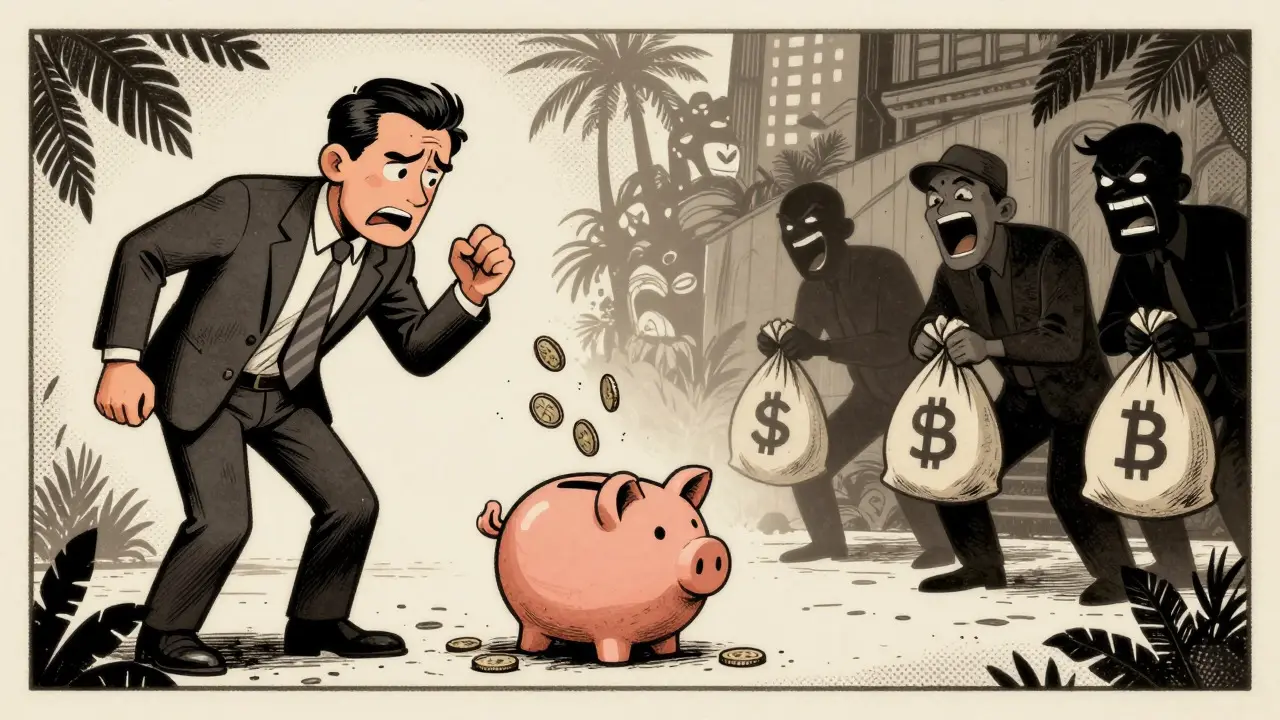
Imagine losing your life savings to a fake investment platform, only to find out the money vanished into a compound in Southeast Asia where workers are held against their will. This isn't just a bad luck story; it is the reality for thousands of Americans who fell victim to sophisticated cryptocurrency scams run from Myanmar. On September 8, 2025, the United States government pulled the trigger on these operations with one of the most aggressive financial crackdowns in recent history.
The US Department of the Treasury, specifically its Office of Foreign Assets Control (OFAC), imposed sweeping sanctions on nine entities operating in Shwe Kokko, a notorious hub for virtual currency investment scams in Burma. They also targeted ten additional networks in Cambodia. These actions were not random. They were a direct response to an estimated $10 billion lost by American citizens to Southeast Asian-based scams in 2024 alone. If you hold crypto or know someone who does, understanding these restrictions is no longer optional-it is essential for protecting your assets and avoiding legal trouble.
The Anatomy of a Crypto Scam Hub
To understand why the US government acted so decisively, we need to look at how these scams actually work. These aren't lone hackers sitting in basements. They are industrial-scale criminal enterprises. The primary target of this crackdown was the Karen National Army (KNA), an armed group designated as a transnational criminal organization by OFAC.
The KNA controls territory along the Thai-Burmese border, including Shwe Kokko. In exchange for protection and revenue, they allow cyber scam syndicates to operate freely within their jurisdiction. Here is the grim reality of these operations:
- Social Engineering First: Victims are rarely attacked through technical hacks. Instead, scammers use romance scams, fake job offers, or fraudulent investment platforms to build trust. They convince you that a specific cryptocurrency or trading bot will double your money.
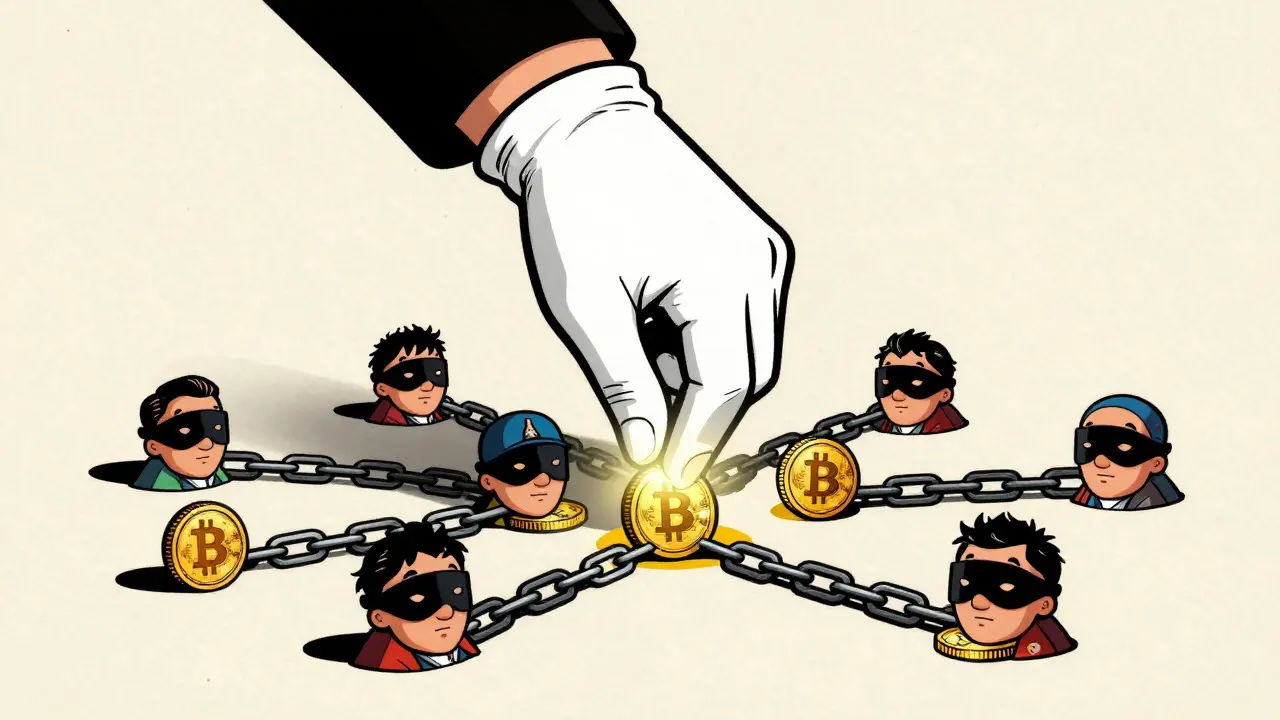
- Crypto for Obfuscation: Once the victim sends funds, they are moved through complex chains of cryptocurrency transactions. This makes it incredibly difficult for traditional banks or law enforcement to trace the money back to its source.
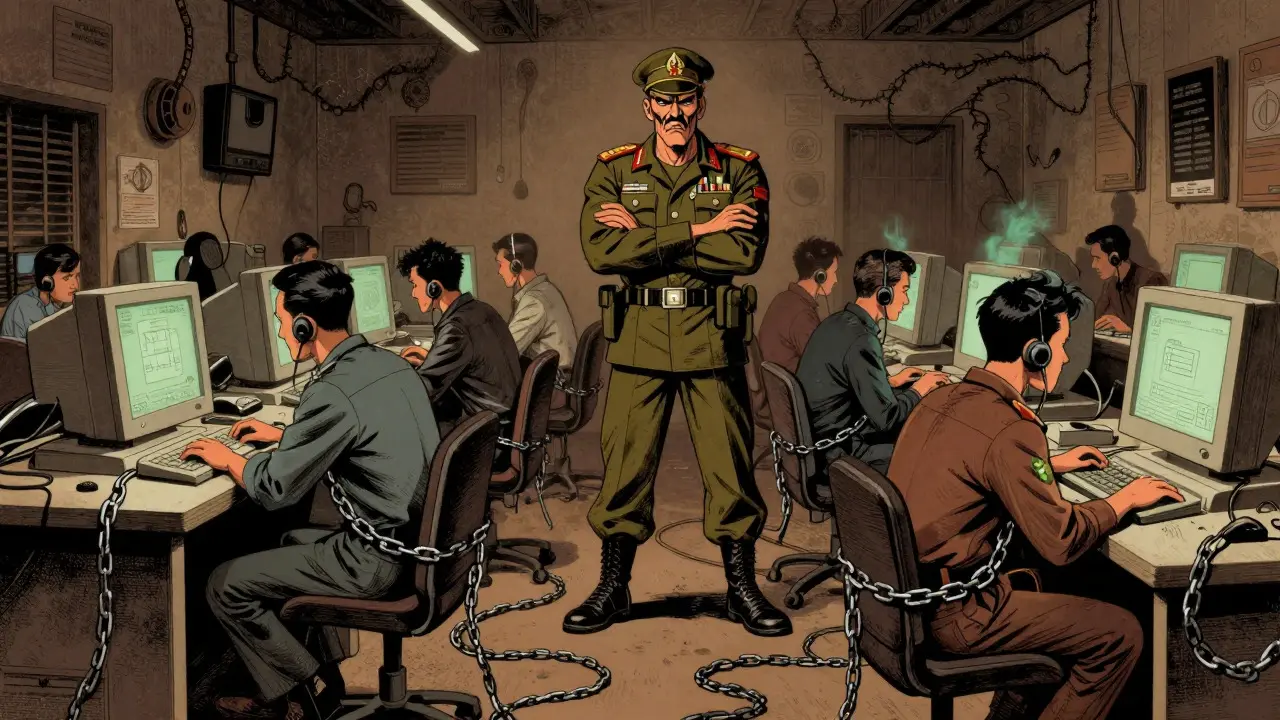
- Forced Labor: The people running the computers are often victims themselves. Thousands of men and women are lured to these compounds with promises of high-paying IT jobs, only to be beaten, tortured, and forced to scam others under threat of death.
Under Secretary of the Treasury for Terrorism and Financial Intelligence, John K. Hurley, described this dual crime-financial fraud against Americans and modern slavery against workers-as a threat to both national security and human rights. By sanctioning the KNA and its leadership, including leader Saw Chit Thu and his sons, the US aimed to cut off the financial lifeline that keeps these compounds running.
Who Exactly Is Sanctioned?
When OFAC releases a sanctions list, it is not just about naming names. It is about freezing assets and blocking access to the global financial system. For anyone dealing in digital assets, knowing who is on the list is critical.
The September 2025 action targeted specific individuals and entities. The primary focus was the ownership structures and operators behind the scam centers. This includes:
- Karen National Army (KNA): Designated as a Transnational Criminal Organization (TCO).
- Saw Chit Thu: Leader of the KNA, sanctioned for overseeing the protection racket.
- Saw Htoo Eh Moo and Saw Chit Chit: Sons of Saw Chit Thu, implicated in managing the financial benefits of these operations.
- Nine Specific Entities in Shwe Kokko: These are the operational shells used to receive and launder stolen crypto.
- Ten Entities in Cambodia: Linked networks that help move the illicit funds further away from the source.
If your wallet address, exchange account, or transaction counterparty interacts with any of these designated parties, your assets could be frozen. More importantly, if you unknowingly facilitate a transaction for them, you could face secondary sanctions. The US government is using every tool available, leveraging Executive Orders 13851, 13694, 13818, and 14014 simultaneously to maximize pressure.
| Target Type | Name / Entity | Role in Scam Network | Location |
|---|---|---|---|
| Armed Group | Karen National Army (KNA) | Provides military protection and territorial control | Shwe Kokko, Myanmar |
| Individual | Saw Chit Thu | Leader of KNA; oversees criminal operations | Myanmar / Thailand Border |
| Operational Entities | 9 Unnamed Companies | Run the actual scam call centers and crypto wallets | Shwe Kokko, Myanmar |
| Laundering Networks | 10 Unnamed Companies | Move funds through mixed exchanges and shell firms | Cambodia |
How This Affects Your Crypto Holdings
You might be thinking, "I don't live in Myanmar. Why should I care?" The answer lies in the borderless nature of blockchain technology. While Bitcoin and Ethereum have no borders, the dollars and euros attached to them do. Here is how these sanctions impact everyday users and investors.
Exchange Compliance Tightens
Major centralized exchanges like Coinbase, Binance, and Kraken are US-regulated or want to remain compliant with US laws. When OFAC designates new entities, these exchanges must update their screening algorithms immediately. If a wallet address linked to a sanctioned entity sends funds to an exchange, those funds are flagged. In some cases, entire pools of liquidity can be frozen if they are suspected of containing tainted assets. This means withdrawals might get delayed, or accounts might be temporarily locked for review.
The Rise of Chain Analysis Tools
To combat this, exchanges rely on blockchain analytics firms like Chainalysis and Elliptic. These companies map the flow of crypto across the network. If your coins come from a wallet that previously interacted with a Shwe Kokko scam center, even indirectly, your deposit might be rejected. The concept of "tainted crypto" is becoming real. Clean provenance for your assets is now a feature, not just a bug.
Risk for DeFi Users
Decentralized Finance (DeFi) protocols are less regulated, but they are not immune. If a DeFi protocol integrates with a bridge or a token that has significant volume flowing through sanctioned entities, the protocol itself could face scrutiny. We have already seen instances where decentralized apps paused deposits from regions associated with high scam activity. The message from Washington is clear: if you enable the scam, you become part of the problem.
Red Flags: How to Spot a Scam Before It’s Too Late
The Treasury Department noted that these scams rely heavily on social engineering. They prey on greed, fear, and loneliness. Here are the specific red flags that indicate you might be dealing with a network connected to these sanctioned entities.
- Guaranteed Returns: Any platform promising fixed daily returns (e.g., "1% per day") on volatile crypto assets is lying. Legitimate investments fluctuate.
- Pressure to Act Fast: Scammers create urgency. "This offer expires in 10 minutes." Real finance moves slowly; scams move fast.
- Communication via Telegram or WhatsApp: If your "account manager" refuses to email you and insists on encrypted chat apps, they are trying to avoid paper trails.
- Unregistered Platforms: Check if the exchange is registered with the SEC or FinCEN. Many scam platforms clone the UI of legitimate exchanges like Binance or MetaMask but host them on obscure domains.
- Requests for Personal Data: Be wary if they ask for photos of your ID before you have deposited anything, or if they ask you to download remote desktop software (like AnyDesk) to "help" you trade.
If you see these signs, stop. Do not send another satoshi. Report it to the FBI's Internet Crime Complaint Center (IC3). Every report helps OFAC build the case for future sanctions.
What Comes Next? The Future of Enforcement
The September 2025 sanctions are not the end of the story. They are a signal. The US government has stated that it will continue to deploy the "full weight of its tools" against these networks. What does this mean for the next few years?
Expanded Targeting
Expect more sanctions on individuals who provide services to these scam centers. This includes lawyers, bankers, and even tech providers who host the websites for these fraudsters. The net is widening.
Military Regime Accountability
Deputy Secretary Michael Faulkender highlighted that the KNA benefits from its connection to Burma's military. Future sanctions may directly target elements of the Burmese military regime that facilitate these crimes, linking human rights abuses directly to financial penalties. This creates a geopolitical ripple effect that could destabilize the region further but aims to dismantle the infrastructure of the scams.
Global Cooperation
The US is not acting alone. They are coordinating with allies in Europe and Asia. Expect to see similar sanctions lists emerging from the EU and UK, creating a unified front that makes it nearly impossible for these criminals to convert their ill-gotten gains into fiat currency anywhere in the developed world.
Protecting Yourself in a Sanctioned Landscape
So, what should you do right now? You don't need to panic, but you do need to be proactive.
First, audit your holdings. If you received crypto from unknown sources, verify the source. Use blockchain explorers to check the history of the wallet addresses involved. Second, stick to reputable, regulated exchanges. Yes, they require KYC (Know Your Customer), but that process is your shield against having your funds frozen due to association with bad actors. Third, educate yourself. The best defense against a scam is knowledge. Understand how private keys work, never share your seed phrase, and remember: if it sounds too good to be true, it is almost certainly a scam coming from a place like Shwe Kokko.
The era of wild west crypto is ending. As governments crack down on illicit flows, the space is becoming cleaner, safer, and more transparent. For honest investors, this is good news. For scammers, the walls are closing in.
Are all cryptocurrencies from Myanmar banned?
No. Cryptocurrencies themselves are not banned. The sanctions target specific entities, wallets, and individuals involved in scam operations. However, if your crypto is traced back to these sanctioned wallets, it may be considered "tainted" and blocked by exchanges.
What happens if I accidentally transact with a sanctioned entity?
If you inadvertently engage in a transaction with a sanctioned party, you should voluntarily disclose it to OFAC within 10 business days. Prompt disclosure can mitigate potential penalties. Your assets might be frozen pending investigation.
How can I check if my wallet is clean?
You can use blockchain analytics tools like Chainalysis or Elliptic, which are often integrated into major exchanges. These tools scan the history of your wallet to see if it has interacted with known scam addresses or sanctioned entities.
Does this affect decentralized exchanges (DEXs)?
Directly, DEXs are harder to sanction because they are code. However, the bridges and tokens they use might be restricted. Additionally, if you withdraw funds from a DEX to a centralized exchange, the exchange will screen your deposit. Tainted funds will likely be rejected.
Why did the US target the Karen National Army?
The KNA was designated as a transnational criminal organization because it provides military protection to cyber scam syndicates in Shwe Kokko in exchange for revenue. This partnership enables large-scale financial fraud and human trafficking, making them a primary target for dismantling the network.
How much money did Americans lose to these scams in 2024?
According to US government estimates cited by the Treasury Department, Americans lost over $10 billion to Southeast Asia-based scam operations in 2024 alone. This figure highlights the massive scale of the threat.
Qolbina Islami
August 11, 2026 AT 21:39THIS IS EXACTLY WHAT HAPPENS WHEN WE LET FOREIGN CURRENCIES AND DIGITAL SCAM RINGS RUN WILD!!! The US government finally stepped up and did what it takes to protect AMERICAN JOBS and AMERICAN SAVINGS!!! These sanctions are long overdue, and I say bring on the heat!!! Let's see how they like it when their own money is frozen!!! #AmericaFirst #SanctionsWork
SUBHAM CHOUDHURY
August 13, 2026 AT 18:53Great article! It is really important for us to stay informed about these developments. Knowledge is power, and staying updated helps us make better financial decisions. Keep learning and stay safe out there!
Joy Kwant
August 14, 2026 AT 21:52It makes me so angry that people can be so cruel. To think of the workers being held against their will while scammers laugh all the way to the bank... it just shows the depth of human depravity. We need more empathy in this world, not just cold hard sanctions.
amy miranda
August 15, 2026 AT 19:04Oh, please. Another day, another bureaucratic overreach. They claim to save us, but who really benefits? Probably the big banks who get to freeze our accounts for 'suspicious activity' while they skim off the top. Typical. Just typical.
Pernelia Wahkan
August 17, 2026 AT 10:18Fascinating insight into the mechanics of these operations. The use of social engineering as a primary vector rather than technical exploits is particularly telling. It highlights a vulnerability in human psychology that technology alone cannot patch. One must remain vigilant against such psychological manipulation.
Subhash Kashyap Dm
August 18, 2026 AT 12:24its all part of the grand plan to control your assets they want you scared so you keep buying their bonds instead of real freedom crypto is the only way out but even that is being watched by the deep state agents at chainalysis wake up sheeple
Ed Mitchell
August 20, 2026 AT 03:02The implications of this are far deeper than mere financial regulation. This is a geopolitical maneuver designed to destabilize regions that do not align with Western hegemony. The KNA is merely a pawn in a larger chess game played by shadowy figures in Washington. Be wary of the narrative being sold to you.
Michael Mostyn
August 21, 2026 AT 19:44One must consider the philosophical underpinnings of trust in a digital age. When physical borders dissolve, does moral responsibility also dissipate? Or does it become more urgent? The sanctions represent an attempt to re-impose order upon chaos, yet one wonders if true security can ever be achieved through external force alone.
Erica Johnson
August 23, 2026 AT 03:29I've been saying this for years! Everyone needs to check their wallets. If you're not using Chainalysis or something similar, you're basically playing Russian Roulette with your savings. Stay smart, folks! :)
Lorraine Surringer
August 24, 2026 AT 09:13Its so sad how people fall for these scams. You have to be careful out there. My cousin lost everything last year because he trusted some guy on telegram. Its really scary stuff. Hope everyone stays safe and doesnt get tricked again lol
Alex Di Mango
August 25, 2026 AT 15:17It's good to see action being taken. While the situation is complex, protecting innocent victims should always be a priority. Let's hope this leads to broader cooperation and fewer people falling victim to these harsh realities. Peace and safety for all involved.
Amor Jordan
August 26, 2026 AT 17:04This brings tears to my eyes. The forced labor aspect is absolutely horrifying. We need to do more than just sanction; we need to rescue those souls. It breaks my heart to think of families separated and lives ruined by greed. Please share this so more people know the truth.
Nick Darring
August 27, 2026 AT 09:34Look, I get the hype, but let's be real here. Sanctions never actually stop anything. They just make things more expensive for regular folks and push the criminals underground where they operate even more freely. Remember Libya? Remember Iran? Yeah, didn't work then either. But sure, let's pretend freezing assets solves human trafficking. It's cute how optimistic you all are.
Eden Tadesse
August 28, 2026 AT 14:05Just wanted to say thanks for posting this. Its really helpful info. I was worried abt my crypto investments after hearing rumors. Now i feel a bit safer knowing what to look out for. Ty so much!
Eric Zehr
August 29, 2026 AT 01:43Excellent breakdown of the risks. It is crucial that we take these warnings seriously. Protecting your assets starts with education and vigilance. Don't let greed cloud your judgment. Stay proactive and secure your future.
Namrata Mapgaonkar
August 31, 2026 AT 00:11In India we see similar scams too. People getting lured by fake jobs. Its very sad. Hope this helps everyone stay safe. Namaste 🙏
Rita Dutta
September 1, 2026 AT 08:37The metaphysical weight of stolen wealth is heavy. Money carries energy, and when it is taken through deceit, that energy becomes toxic. Cleansing one's financial aura is as important as cleaning one's wallet. Beware the tainted coins, dear ones.
Paul Smith
September 1, 2026 AT 23:41Wow, this is intense! 😲 Good thing we have tools to help us stay safe. Always double-check before you send! 🛡️💰
Matthew Smith
September 2, 2026 AT 16:29morality is subjective but crime is not. yet the lines blur when governments pick winners and losers. interesting times indeed
Carl Michaud
September 3, 2026 AT 22:19The hegemonic apparatus continues its relentless pursuit of liquidity control. By designating entities as TCOs, the state expands its jurisdictional reach into the decentralized ether. This is not justice; it is asset forfeiture via administrative fiat. The plebeians cheer while their own freedoms erode.
Matt Kay
September 4, 2026 AT 07:51boring read. tl;dr dont get scammed.
Dave Kjendal
September 6, 2026 AT 02:08People are stupid. If you believe 1% daily returns you deserve to lose your money. Simple as that. No need for fancy sanctions, just basic common sense would suffice.
Kat Bennett
September 7, 2026 AT 03:35I find it quite intriguing how the intersection of technology and human vulnerability creates these perfect storms for fraud. It really makes you wonder about the nature of trust in a digital ecosystem. We rely so heavily on systems we don't fully understand, hoping for the best while ignoring the glaring red flags. It's a delicate balance between optimism and skepticism that we all need to master.