

Did you hear the rumor that Thailand slapped a flat 15% tax on all your crypto profits? If you’re trading Bitcoin or Ethereum from Bangkok, that number might be giving you nightmares. But here is the twist: for most individual investors in Thailand right now, the actual tax rate on capital gains is zero. At least, it is until the end of 2029.
The confusion stems from mixing up two very different rules. Yes, there is a 15% figure floating around, but it applies to foreign entities and specific withholding scenarios, not your personal gains from selling coins on a local exchange. In fact, Thailand has rolled out one of the most aggressive tax incentives in Southeast Asia to attract digital asset traders. Through Ministerial Regulation No. 399, effective January 1, 2025, the country introduced a five-year personal income tax exemption on crypto capital gains. This isn’t just a minor adjustment; it’s a strategic move to make Thailand a global "Digital Asset Hub."
So, why does everyone keep talking about taxes if they are exempt? Because the exemption comes with strict conditions. Miss one detail-like using an unlicensed platform or engaging in DeFi swaps-and you could face a tax bill ranging from 0% to 35%, depending on your total annual income. Let’s break down exactly how this works so you don’t get caught off guard by the Thai Revenue Department.
The Core Exemption: Zero Tax Until 2029
Here is the good news first. If you are a resident in Thailand and you sell cryptocurrencies through a licensed Thai exchange, your capital gains are currently exempt from personal income tax. This policy was approved by the Cabinet on June 17, 2025, and published in the Royal Gazette shortly after. The goal is simple: encourage Thais to trade locally rather than sending their money to offshore exchanges like Binance or Coinbase, which don’t contribute to the local economy or tax base.
This exemption covers profits from the sale or transfer of digital tokens and cryptocurrencies. It runs from January 1, 2025, through December 31, 2029. That gives you nearly four years of clear, predictable tax planning. Before this regulation, crypto gains were treated as ordinary income, subject to progressive tax rates up to 35%. Now, for qualifying transactions, that burden vanishes entirely.
But hold on. Does this mean you can ignore tax filings completely? Not quite. You still need to report these transactions to prove they qualify for the exemption. Think of it as showing your homework to get the free pass. If you can’t demonstrate that the trades happened on a licensed platform, the Revenue Department may treat those gains as taxable income.
The 15% Myth: Who Actually Pays This Rate?
Where did the 15% number come from? It’s real, but it’s often misapplied. The 15% rate primarily refers to withholding tax on income earned by non-resident entities or specific corporate structures operating in Thailand. For example, if a foreign company earns crypto-related income sourced within Thailand, they might face this withholding obligation. It also applies to certain types of interest or yield payments in specific contexts, though the primary focus for individuals remains the capital gains exemption.
Another source of confusion is the old corporate tax structure. Companies registered in Thailand previously faced corporate income tax rates up to 20% on crypto profits. While the new exemption focuses heavily on individuals, businesses must still navigate complex corporate tax laws. If you are running a crypto business in Phuket, you aren’t automatically covered by the personal income tax exemption. You need to consult a local tax advisor who understands the nuances of corporate digital asset treatment.
Don’t let the 15% headline scare you into thinking every trade costs you money. For the average retail investor trading on Bitkub, Satang Pro, or other SEC-licensed platforms, the effective tax rate on gains is currently 0%. The 15% is a niche rule for specific cross-border or corporate scenarios, not a blanket penalty for buying low and selling high.
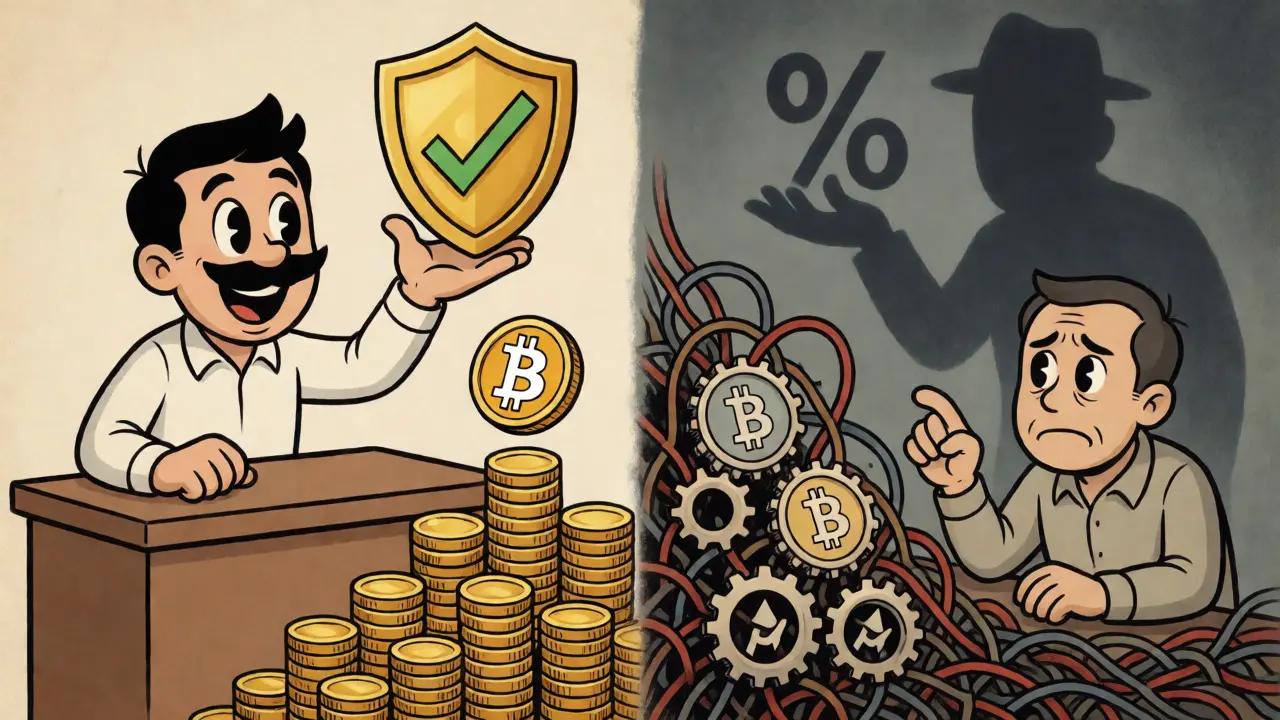
Critical Limitations: When You Still Owe Tax
The exemption is powerful, but it is not universal. There are significant gaps where the taxman still gets his cut. Understanding these exclusions is vital for staying compliant.
- Unlicensed Platforms: If you trade on international exchanges that do not hold a Thai license, your profits are not exempt. Many popular global platforms operate in a gray area or require specific registrations. Always check the Securities and Exchange Commission (SEC) list of licensed operators before executing large trades.
- Decentralized Finance (DeFi): Swaps on decentralized exchanges (DEXs) like Uniswap or PancakeSwap are generally excluded from the exemption. Since these transactions occur peer-to-peer without a central licensed intermediary, they fall outside the scope of the regulation. Profits from DeFi activities remain taxable as ordinary income.
- Staking and Mining Rewards: Current regulations do not explicitly cover staking rewards or mining income. Until the Thai Revenue Department issues further guidance, it is safest to assume these are taxable as ordinary income. They are not considered "capital gains" from a sale, so the exemption likely doesn’t apply.
- Lending and Interest: Yields from lending your crypto or earning interest on deposits are typically classified as interest income, not capital gains. These streams are usually taxable, regardless of whether you used a licensed platform.
Essentially, the exemption is designed for simple buy-and-sell scenarios on regulated venues. As soon as you start interacting with smart contracts, lending protocols, or offshore exchanges, you step back into the taxable zone.
Practical Steps for Compliance
How do you actually manage this in practice? Record-keeping is no longer optional; it is your shield against audits. Even if you owe zero tax, you need proof.
- Track Every Transaction: Use software or spreadsheets to log every buy, sell, swap, and transfer. Note the date, amount, currency pair, and the platform used.
- Verify Platform Status: Regularly check if your exchange maintains its SEC license. Licenses can be revoked or suspended. Trading on a platform that loses its license mid-year could complicate your exemption status.
- Segregate Income Types: Keep separate records for capital gains (sales), staking rewards, and lending interest. This makes filing easier and ensures you only claim exemptions on eligible items.
- File Your Returns: Submit your annual personal income tax return, declaring your crypto holdings and transactions. Explicitly state that you are claiming the capital gains exemption under Ministerial Regulation No. 399.
If you fail to report, you risk penalties even if the tax due is zero. The Revenue Department wants visibility into the market. Silence looks like evasion, not exemption.

Why Thailand Made This Move
You might wonder why the government would give up tax revenue. Deputy Finance Minister Julapun Amornvivat called this a "key step in boosting Thailand's economic potential." The logic is counterintuitive but sound: by removing the tax barrier, Thailand hopes to stimulate massive market activity. More trading volume means more transaction fees for local exchanges, more jobs in the tech sector, and increased consumer spending from wealthy crypto holders living in the country.
The Ministry of Finance projects this strategy will generate approximately $1 billion in annual revenue through indirect economic stimulation. By attracting foreign investment and keeping domestic capital circulating within Thai institutions, the long-term gain outweighs the short-term loss of direct tax collection. It positions Thailand ahead of regional competitors like Vietnam and Indonesia, which are still refining their frameworks.
| Activity Type | Platform/Method | Tax Treatment | Notes |
|---|---|---|---|
| Capital Gains (Sale) | Thai SEC-Licensed Exchange | Exempt (0%) | Must be reported; valid until Dec 31, 2029 |
| Capital Gains (Sale) | International/Unlicensed Exchange | Taxable (0-35%) | Subject to progressive personal income tax |
| DeFi Swaps | DEX (e.g., Uniswap) | Taxable (0-35%) | Generally excluded from exemption |
| Staking/Mining Rewards | Any Platform | Taxable (Ordinary Income) | Presumed taxable pending further guidance |
| Lending Interest | Any Platform | Taxable (Interest Income) | Not covered by capital gains exemption |
Looking Ahead: What Happens After 2029?
Five years feels like a long time in crypto, but it goes fast. The exemption expires on December 31, 2029. What happens next depends on the data. If the market thrives and the $1 billion revenue target is met, the government might extend the exemption or introduce a lower flat tax rate instead of reverting to the old 35% cap. Alternatively, they might implement a permanent, modest tax to ensure sustainability.
For now, take advantage of the window. This is a rare opportunity to build wealth with minimal tax friction. But stay informed. Regulations in Thailand evolve quickly, and the line between "exempt" and "taxable" can shift with new ministerial orders. Keep your records clean, use licensed platforms, and enjoy the tax-free ride while it lasts.
Is crypto tax really 0% in Thailand right now?
Yes, for individual residents, capital gains from selling crypto on Thai SEC-licensed exchanges are exempt from personal income tax until December 31, 2029. However, you must still report these transactions on your tax return to claim the exemption.
What is the 15% crypto tax in Thailand?
The 15% figure usually refers to withholding tax applied to specific income streams for non-resident entities or certain corporate structures. It does not apply to the capital gains of individual Thai residents trading on licensed platforms, who currently pay 0%.
Do I have to pay tax on Bitcoin held on an international exchange?
If you sell Bitcoin on an international exchange that is not licensed by the Thai SEC, your profits are not exempt. They are subject to standard personal income tax rates, which range from 0% to 35% based on your total annual income.
Are staking rewards taxable in Thailand?
Current regulations do not explicitly exempt staking rewards. Until further guidance is issued by the Thai Revenue Department, it is prudent to treat staking and mining rewards as ordinary income, making them taxable at your standard income tax rate.
Which exchanges are considered licensed in Thailand?
You must verify the current list of licensed digital asset exchanges, brokers, and dealers on the Securities and Exchange Commission (SEC) Thailand website. Popular examples include Bitkub and Satang Pro, but licenses can change, so always check before trading.