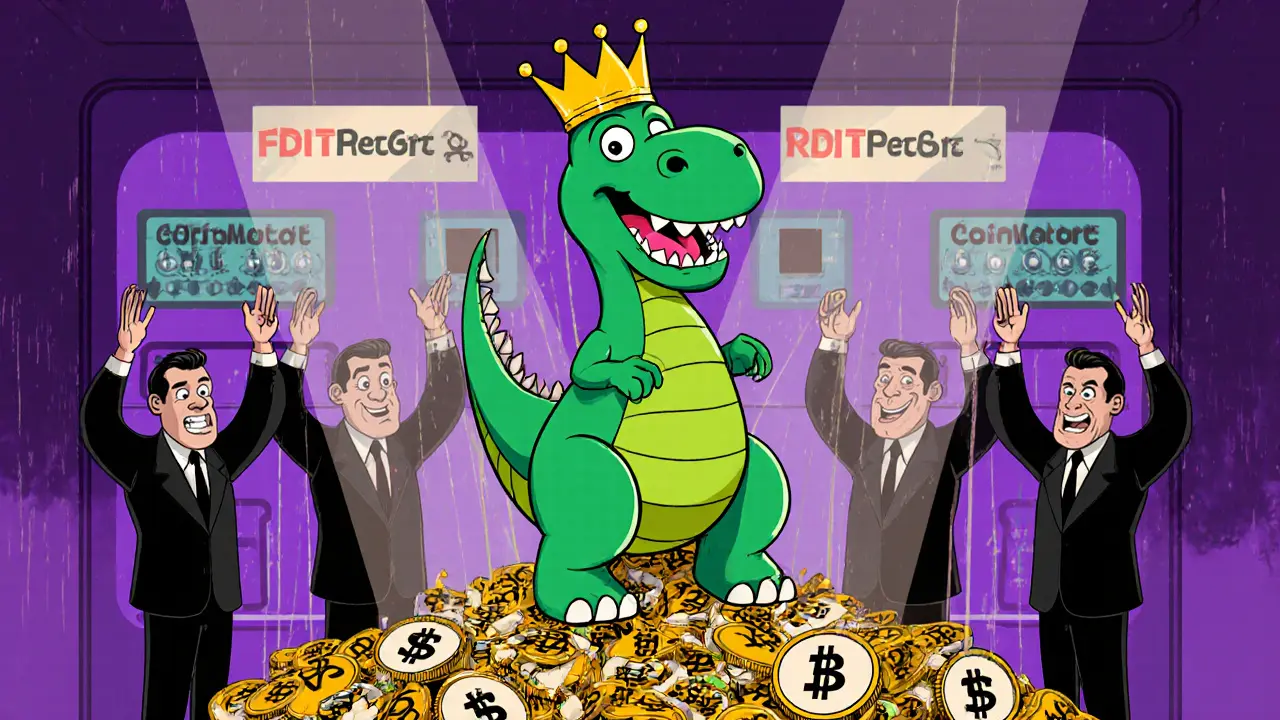
FDT Token Scam: How to Spot and Avoid Fake Crypto Tokens
When you hear about a new token like FDT token, a cryptocurrency that claims to offer high returns but has no real team, code, or utility. Also known as pump-and-dump token, it’s often pushed through social media hype, fake testimonials, and urgent airdrop alerts—then vanishes overnight. FDT isn’t a unique case. It’s one of dozens of tokens that appear out of nowhere, promise big gains, and vanish before you can cash out. These aren’t bugs in the system—they’re designed traps.
Scammers behind tokens like FDT rely on three things: anonymity, urgency, and false legitimacy. They’ll create a website that looks professional, post fake trading volume on DEXs, and even hire influencers to shout about it. But if you check the contract address, you’ll often find it’s newly deployed, has zero liquidity locked, and the wallet holding the majority of tokens belongs to a burner address. No audits. No team names. No GitHub activity. Just a token name that sounds legit—like FDT, which might stand for something made up on the spot. Compare that to real projects like zkLink or PLEXUS, where you can trace the developers, see code updates, and find community discussions. FDT? Nothing.
These scams often piggyback on real trends. You’ll see FDT promoted as part of a "BSC MVBIII" drop or tied to a fake CoinMarketCap partnership—just like the SMAK or CKN scams we’ve seen before. They mimic the language of trustworthy platforms but skip the substance. If a token has no trading volume after a week, no wallet activity, and no documentation beyond a one-page whitepaper written in broken English, it’s not a project—it’s a cleanup job. And if someone DMs you saying "limited spots left!" or "double your money in 48 hours," that’s not opportunity—it’s a red flag flashing in neon.
Real crypto moves slowly. Legit tokens build over months, not days. They have audits, locked liquidity, and public roadmaps. Scams? They’re built in a weekend and gone by Monday. The FDT token scam isn’t just about losing money—it’s about wasting time chasing ghosts. But once you know what to look for, you can walk past these traps without a second glance. Below, you’ll find real cases of similar scams, how they operated, and what to do when something feels off. You don’t need to be an expert to spot these. You just need to ask the right questions.