
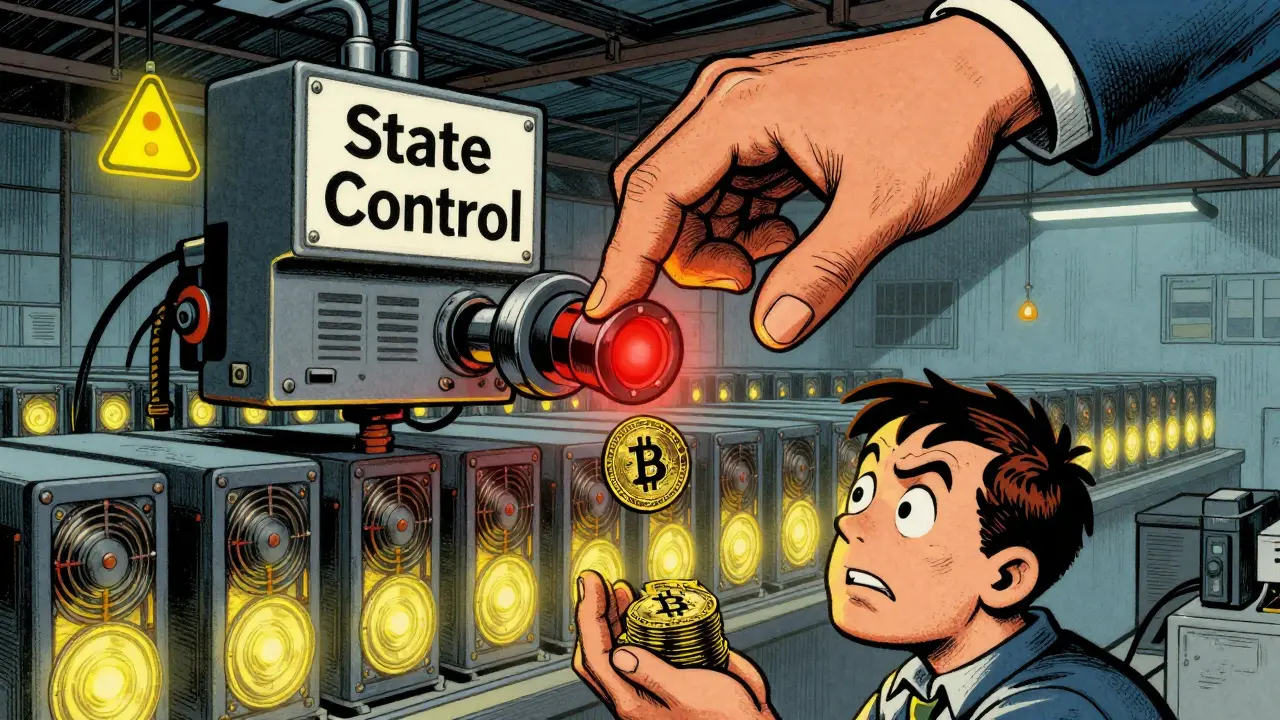
The High-Stakes Game of State-Controlled Crypto
Imagine running a high-performance computer farm where the electricity is dirt cheap, but the government owns the switch. That is the reality for crypto mining in Venezuela. The country has attempted to turn its abundant energy resources into digital gold, but the path has been anything but smooth. For years, the narrative was simple: mine Bitcoin using subsidized power, pay the state, and keep the rest. Today, that model is fractured by political instability, regulatory chaos, and infrastructure failures.
If you are looking at Venezuela as a potential hub for mining operations or trying to understand the risks involved in this market, you need to look past the headlines. The situation in mid-2026 is defined by a gap between what the law says and what actually happens on the ground. We will break down how the state controls mining, who is really in charge, and why many operators are still walking on eggshells.
How the Government Took the Wheel
To understand the current mess, we have to look at how it started. The Venezuelan government didn't just stumble into crypto; they engineered it. It began with the launch of the Petro cryptocurrency in 2017, a state-backed token meant to bypass sanctions and fund the economy. But mining Bitcoin was the real prize because it offered hard currency revenue.
In 2018, the government created the Superintendency of Cryptocurrency Activities and Related Control (SUPCACVEN). This agency was supposed to be the referee. However, it was short-lived. By 2019, Presidential Decree No. 4,170 replaced it with the National Superintendence of Cryptocurrencies (SUNACRIP). This change wasn't just bureaucratic shuffling; it centralized power further under the executive branch.
The goal was clear: harness the country's hydroelectric power for mining while keeping the profits under national oversight. The government mandated that all mining must go through the National Mining Pool (NMP). This means you cannot just plug in your ASIC miners and connect to a global pool like Foundry USA or Antpool. You have to route everything through the state's system. In theory, this ensures the government gets its cut. In practice, it creates a bottleneck that slows down payouts and increases technical risks.
| Entity | Role | Status (as of 2026) |
|---|---|---|
| SUNACRIP | Primary regulator for licensing and oversight | Reorganized in 2024, but operational capacity remains limited |
| National Mining Pool (NMP) | Mandatory routing for all mining rewards | Active, but plagued by connectivity and payout delays |
| CAVEMCRIP | Private sector advisory body within regulation | Established in 2024 to improve industry dialogue |
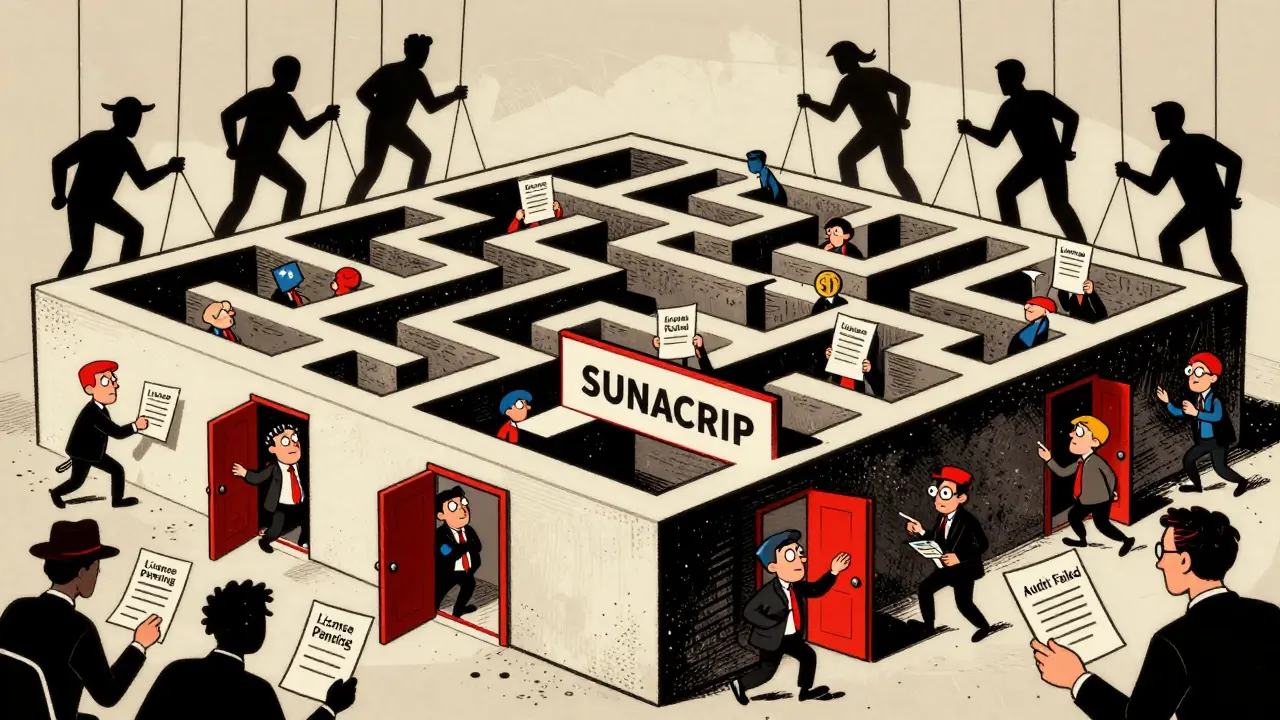
The License Maze: Getting Approved
You can't just start mining in Venezuela without permission. The process is rigorous, slow, and expensive. To operate legally, you must register with SUNACRIP. There are two main registries depending on your role: the Comprehensive Registry of Cryptoactive Services (RISEC) for exchanges and custodians, and the Comprehensive Registry of Miners (RIM) for actual mining operations.
Here is what you need to know if you are considering applying:
- Timeframe: Expect to wait 90 to 120 days for approval. This is not a quick turnaround. During this time, your equipment sits idle, costing you money.
- Power Requirements: You need proof of electrical capacity. The minimum threshold is often cited as 500kW. If you don't have access to this level of grid connection, your application will likely be rejected.
- Documentation: You must provide identity verification, equipment registration details, and compliance plans for anti-money laundering (AML) measures under Ruling No. 044-2021.
- Digital Security: Your facility must meet strict cybersecurity standards to protect user data and transaction records.
The bureaucracy is heavy. Many smaller operators find the learning curve too steep. They hire local consultants to navigate the paperwork, which adds another layer of cost. Once approved, you are tied to the NMP. This means your hash rate contributes to the state pool, and your rewards are distributed according to government rules, not market efficiency.
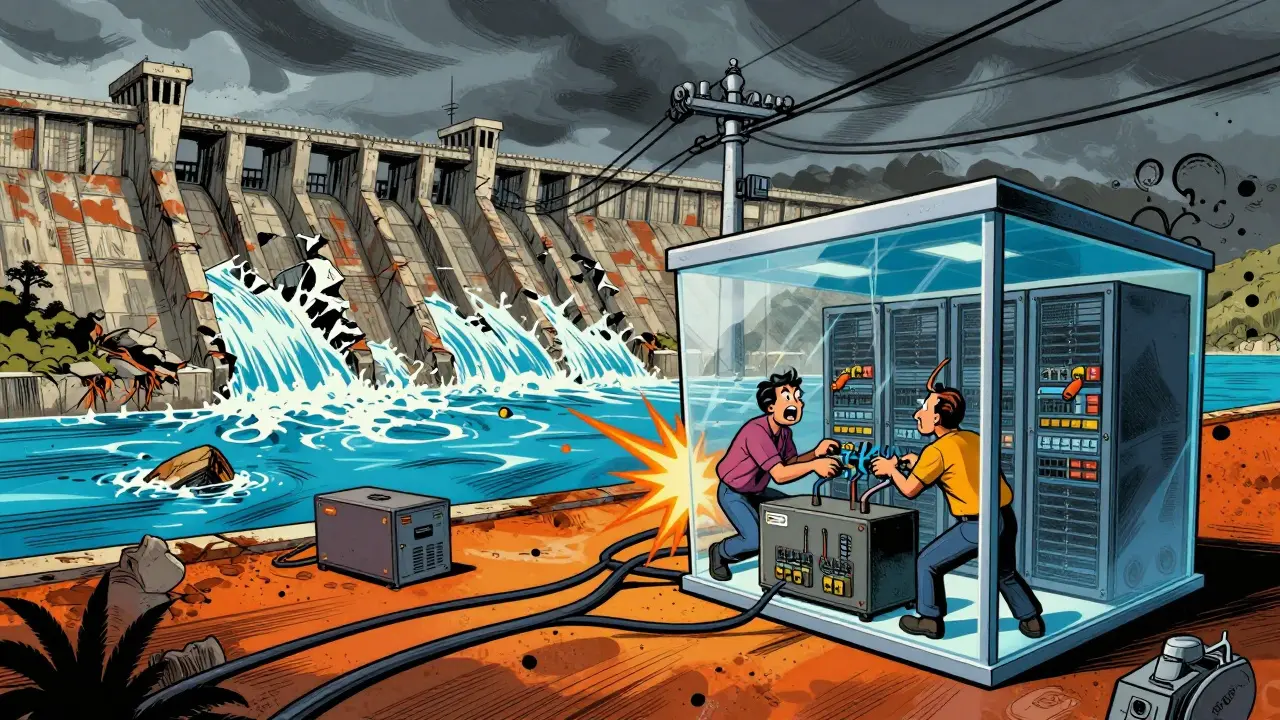
The Energy Paradox: Cheap Power, Unreliable Grid
Venezuela’s biggest selling point for miners has always been electricity. With massive hydroelectric dams like Guri, the potential for cheap power is real. Official rates for industrial users can be as low as $0.03 per kWh, compared to the global average of $0.08 to $0.12 per kWh. On paper, this makes Venezuelan mining incredibly profitable.
But here is the catch: the grid doesn't work reliably. In 2023, licensed miners reported 40 to 60 hours of power outages per month. When the lights go out, your miners stop working. To stay competitive, operators had to invest in backup diesel generators. These generators increased operational costs by about 25%, eating into the savings from cheap grid power.
By 2025, licensed mining centers accounted for roughly 10% of Venezuela's total electricity usage. This heavy load strained an already fragile infrastructure. The government responded with scrutiny, threatening to cut power to non-compliant or inefficient facilities. In May 2024, there were reports of a temporary ban on new mining licenses due to "excessive energy consumption concerns." While existing licensed operations continued, the threat loomed large.
This paradox defines the Venezuelan model: you get cheap power only if you can handle the instability. If you rely solely on the grid, you risk downtime. If you buy generators, you lose the cost advantage. Most successful operators use a hybrid approach, balancing grid power with backup systems, but it requires significant capital investment.
Regulatory Chaos and Political Risk
The legal framework exists, but enforcement is inconsistent. Since March 2023, SUNACRIP has faced operational paralysis due to corruption investigations involving high-level officials in the oil and crypto sectors. Although the agency was reorganized in March 2024 with the creation of CAVEMCRIP to include private sector input, trust remains low.
Industry analysts describe the environment as "chaotic." OneSafe, a security firm, noted in 2024 that the gap between legalized mining and regulatory dysfunction creates uncertainty. What does this mean for you?
- Sudden Shutdowns: In 2023, around 300 licensed facilities were abruptly closed during a corruption probe. Operations halted overnight, leaving investors stranded.
- Payout Delays: The National Mining Pool has suffered from technical issues. Miners report inconsistent reward distribution, with some seeing delays of weeks or even months.
- Political Instability: The broader political context matters. Following the July 2024 elections, the Maduro administration faced intense international criticism and domestic unrest. Sanctions and diplomatic tensions affect the ability to move funds out of the country.
Baker McKenzie, a global law firm, observed that little change in legislation is expected until the administration changes. This suggests that the current regulatory ambiguity will persist for the foreseeable future. For foreign investors, this is a major red flag. You might make profits in Bitcoin, but getting those profits out of Venezuela without triggering sanctions or losing them to fees is a complex challenge.
The Future: Banking Integration and Stablecoins
Despite the chaos, crypto adoption in Venezuela continues to grow. About 70% of citizens use stablecoins like USDT to preserve their purchasing power against hyperinflation. The government recognizes this trend and is trying to formalize it. The Conexus initiative, which manages 40% of electronic transfers in the country, is developing a blockchain-based interbank network.
By December 2025, the plan is to allow banks to custody, transfer, and exchange Bitcoin and stablecoins directly. This would be a historic shift, integrating crypto into the traditional financial system. If successful, it could legitimize mining revenues and make it easier for operators to convert their earnings into fiat currency.
However, skepticism remains. The International Criminal Court is investigating security forces for crimes against humanity, and the US maintains bounties on several officials. These factors deter mainstream banking partners. Until these geopolitical risks subside, full integration may remain a distant goal.
For now, the ecosystem is fragmented. Startups like El Dorado and Yeet secured funding in 2024, showing that venture capital still sees potential. But the lack of robust infrastructure and consistent regulation keeps many players on the sidelines.
Practical Advice for Operators and Investors
If you are considering entering the Venezuelan mining market, proceed with extreme caution. Here are some practical steps to mitigate risk:
- Verify Licensing Status: Ensure your partner or facility holds a valid RIM license. Check recent updates from SUNACRIP, as statuses can change quickly.
- Assess Infrastructure: Don't just look at electricity prices. Evaluate the reliability of the grid and the quality of backup power solutions. Calculate the true cost per kWh including generator fuel.
- Diversify Exit Strategies: Have multiple ways to move funds out of the country. Relying on a single bank or exchange can be dangerous given the sanctions landscape.
- Monitor Political News: Stay updated on election results, ICC rulings, and US sanction policies. These events can impact operations overnight.
- Engage Local Legal Counsel: Navigate the regulatory maze with experienced lawyers who understand both crypto law and Venezuelan administrative procedures.
The potential for profit exists, but so does the risk of total loss. Success in Venezuela requires more than just good hardware; it demands resilience, adaptability, and a deep understanding of the local context.
Is crypto mining legal in Venezuela?
Yes, crypto mining is legal but strictly regulated. All operations must be licensed by SUNACRIP and routed through the National Mining Pool. Unlicensed mining is illegal and subject to seizure.
What is the National Mining Pool (NMP)?
The NMP is a state-mandated platform where all licensed miners must connect. It distributes mining rewards and ensures the government receives its share. It replaces independent global pools for domestic operations.
How much does electricity cost for miners in Venezuela?
Official industrial rates are approximately $0.03 per kWh. However, due to frequent outages, many operators incur additional costs for backup generators, raising the effective cost.
Can foreign investors mine in Venezuela?
Foreign investors can participate, but they face significant hurdles including complex licensing, sanctions risks, and difficulties repatriating profits. Local partnerships are often necessary.
What happened to SUNACRIP in 2023?
SUNACRIP faced operational suspension due to corruption investigations involving top officials. It was reorganized in 2024 with new private sector involvement, but full functionality remains uncertain.