
Remember the days when holding an NFT felt like a golden ticket? For digital artists and collectors in late 2020, that ticket was the MurAll PAINT airdrop, a major cryptocurrency distribution event targeting verified NFT creators and holders within the emerging digital art ecosystem. If you were active on platforms like SuperRare or Rarible back then, you might have received a notification about free tokens. But what exactly was this project, who qualified, and is there still any value left to claim today?
The short answer is that the claiming window closed over two years ago. However, understanding the mechanics of the MurAll PAINT distribution offers valuable lessons for anyone navigating the current landscape of Web3 incentives, deflationary tokenomics, and community-based rewards. Let’s break down how it worked, why it mattered at the time, and where things stand now.
What Was the MurAll Project?
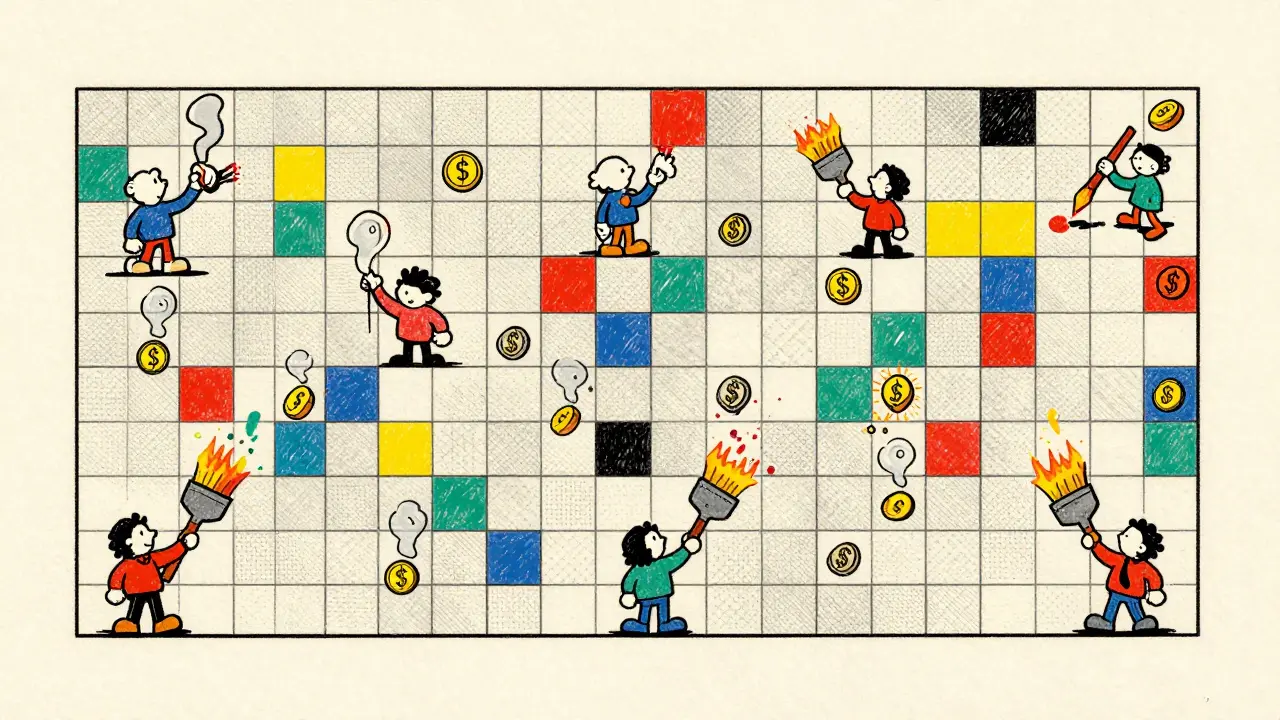
To understand the airdrop, you first need to understand the platform behind it. MurAll is an on-chain digital collaborative mural measuring 2048 pixels by 1024 pixels (totaling 2,097,152 pixels) that operates as an unrestricted canvas where anyone can draw using PAINT tokens. Think of it as a permanent, blockchain-based graffiti wall. Unlike traditional social media posts that can be deleted or censored, every stroke on the MurAll canvas is recorded permanently on the Ethereum blockchain.
The core philosophy here was neutral, uncensored digital expression. The only requirement to contribute was possession of PAINT tokens, ERC-20 utility tokens required to draw on the MurAll canvas, which are permanently burned upon use, creating a deflationary tokenomics model. This wasn’t just a marketing gimmick; it was central to the project’s economic design. Every time you used PAINT to draw, those tokens were sent to a burn address, forever removing them from circulation. With a maximum supply capped at 22 billion tokens, this mechanism was designed to create scarcity over time, theoretically driving up the value of remaining tokens as adoption grew.
Airdrop Eligibility: Who Qualified?
The distribution campaign was split into two distinct categories, each with specific snapshot dates to prevent gaming the system. These snapshots were crucial because they froze the state of wallets at a specific moment, ensuring that only genuine participants received rewards.
| Recipient Category | Snapshot Date | Token Allocation | Eligibility Requirements |
|---|---|---|---|
| Verified NFT Artists | November 15, 2020 | 1,048,576 PAINT | Active creator status on Known Origin, Rarible, SuperRare, or Async Art |
| NFT Holders | December 18, 2020 | 193,537 PAINT | Held ERC-721 compatible tokens with more incoming than outgoing transactions |
For artists, the bar was set at established reputation. You needed to be verified on one of the four major platforms mentioned above. This wasn’t about random wallet addresses; it was about rewarding those who had already contributed to the digital art space. The allocation of over one million tokens per wallet was substantial, reflecting the high value placed on creative contributors.
For collectors, the criteria focused on genuine interest rather than speculative trading. The requirement to have more incoming than outgoing transactions meant that if you bought an NFT and immediately flipped it for profit, you likely wouldn’t qualify. The system favored long-term holders who were building collections, not day-trading assets. This distinction helped ensure that the initial community consisted of people genuinely interested in the art ecosystem.
Token Value and Market Context
When the airdrop launched, the NFT market was exploding. Late 2020 and early 2021 saw unprecedented trading volumes and mainstream attention for digital art. In this environment, the PAINT token distributions represented significant monetary worth. At peak valuations, NFT artists receiving their full allocation of 1,048,576 PAINT tokens saw estimated values ranging from $2,100 to $3,300. Collectors received approximately $400 worth of tokens. These figures highlight how quickly value can shift in the crypto space during hype cycles.
However, the story doesn’t end there. The cryptocurrency market is notoriously volatile. By mid-2022, the broader NFT correction had taken its toll. Today, the PAINT token trades at a fraction of its former glory. Recent data indicates a price of approximately $0.0000067 per token, with a market capitalization hovering around $77,600. While the deflationary model continues to function-evidenced by the reduced circulating supply of roughly 11.5 billion tokens-the lack of sustained platform activity has kept prices low. Trading volume remains minimal, primarily occurring on Uniswap V2.
How the Claiming Process Worked
If you were eligible, the process was straightforward but required attention to detail. Users needed to connect their MetaMask wallets to the MurAll website interface to verify eligibility and claim their tokens. The extended claiming period, open until January 22, 2022, provided ample time for recipients to access their allocations without rushing.
Technical challenges did emerge during high-traffic periods. As with many decentralized applications, server loads could spike, leading to temporary connection issues or failed transactions. Patience was key, and users were advised to monitor gas fees carefully, as Ethereum network congestion often drove transaction costs higher. Despite these hurdles, the transparent snapshot-based approach ensured fairness, preventing last-minute acquisitions from skewing results.
Why This Matters for Future Airdrops
The MurAll PAINT airdrop serves as a case study in community-building through token distribution. Following the success of UniSwap’s UNI token airdrop, many projects adopted similar strategies to foster engaged user bases while avoiding regulatory scrutiny associated with traditional Initial Coin Offerings (ICOs). By distributing free tokens to supportive communities, projects can maintain strong, focused groups of advocates who have skin in the game.
Key takeaways for future participants include:
- Verify Early: Always check official channels for snapshot dates and eligibility criteria. Missing a deadline means missing out entirely.
- Understand Tokenomics: Deflationary models like PAINT’s burn mechanism can impact long-term value, but only if platform usage sustains demand.
- Beware Volatility: Peak valuations during hype cycles rarely reflect sustainable prices. Assess fundamental utility before assuming long-term gains.
- Security First: Only connect wallets to verified, reputable sites. Phishing attempts often mimic legitimate airdrop campaigns.
Current Status and Long-Term Viability
So, where does MurAll stand today? The innovative concept of a collaborative, blockchain-permanent digital canvas retains theoretical appeal. Yet, practical adoption appears limited based on current trading volumes and market activity. The deflationary tokenomics model continues to function as designed, with ongoing token burns reducing total supply. However, low platform usage translates to minimal burn rates and sustained downward price pressure.
The project’s future depends largely on renewed interest in collaborative digital art creation and potential integration with emerging metaverse or Web3 initiatives. Without new use cases or partnerships, the PAINT token may remain a niche asset within the broader cryptocurrency ecosystem. For those who held onto their tokens, the experience underscores the importance of diversification and realistic expectations in the volatile world of crypto investments.
Can I still claim my MurAll PAINT airdrop tokens?
No, the claiming period officially closed on January 22, 2022. Any unclaimed tokens were likely forfeited or returned to the project treasury. There is no way to retroactively claim missed allocations.
What happened to the value of PAINT tokens after the airdrop?
The value dropped significantly due to broader market corrections in the NFT and cryptocurrency sectors. While peak values reached hundreds of dollars per allocation, current prices hover around $0.0000067, reflecting reduced trading volume and limited platform adoption.
Who was eligible for the largest PAINT token allocation?
Verified NFT artists from Known Origin, Rarible, SuperRare, and Async Art were eligible for the largest allocation of 1,048,576 PAINT tokens per wallet, based on a snapshot taken on November 15, 2020.
How does the PAINT token burn mechanism work?
Every time a user draws on the MurAll canvas, the PAINT tokens used are permanently burned, removing them from circulation. This deflationary model aims to increase scarcity and potentially drive up token value over time, assuming consistent platform usage.
Is MurAll still an active platform?
While the platform technically remains operational, activity levels are low. Trading volumes are minimal, and there has been little recent development news. The project’s future viability depends on renewed interest in collaborative digital art or integration with newer Web3 ecosystems.