
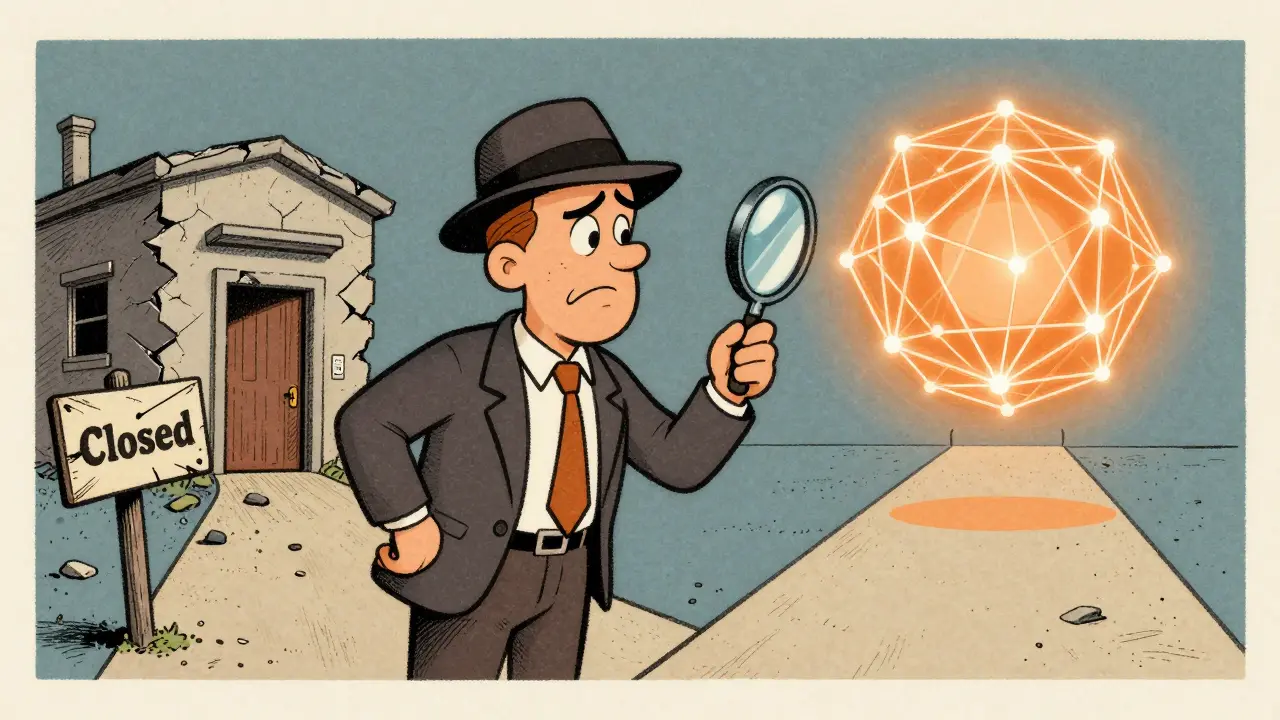
Many investors are searching for a "Manta Exchange" hoping to deposit funds directly into a dedicated trading platform for the MANTA token. Here is the immediate truth you need to know before you proceed: Manta Exchange does not exist. You cannot sign up for a wallet called "Manta Exchange." Instead, you are likely looking for the Manta Network, which isa privacy-focused blockchain infrastructure rather than a centralized trading venue. Confusing infrastructure for an exchange is common in the crypto space, but it is critical to distinguish between the two to protect your assets.
If your goal is to trade or hold the MANTA token, you aren't missing out on a secret platform; you just need to adjust where you are looking. This breakdown clarifies exactly what the ecosystem offers, where you can actually execute trades, and how to earn yield on your holdings without falling into scams pretending to be an official Manta exchange.
The Reality: Infrastructure vs. Trading Platform
The confusion stems from the project's name. Manta Network operates as the underlying technology for decentralized applications, similar to how Ethereum functions as a network for smart contracts. Unlike Binance or Coinbase, which are custodial platforms managing your money, Manta Network builds the roads that allow digital transactions to happen privately.
| Feature | Centralized Exchange (e.g., Binance) | Blockchain Network (Manta) |
|---|---|---|
| Purpose | Trading, swapping, custody | Infrastructure, settlement, DeFi |
| User Login | Email + Password | Wallet Address + Private Keys |
| Control of Funds | Exchange holds your keys | You hold your own keys |
This distinction matters immensely for safety. Scammers frequently create fake websites claiming to be the "Official Manta Exchange" to steal seed phrases. Legitimate interactions with Manta happen through wallets like MetaMask or Polkawallet interacting with dApps on the network, not through a login page on a .com domain owned by the company.
Anatomy of the MANTA Token and Network
Since you are looking to engage with the brand, the actual asset you are tracking is the MANTA token. As of early 2026, this token remains a central governance and utility tool within the Manta ecosystem. The circulating supply has hovered around roughly 457 million tokens based on recent audits, though exact figures fluctuate with minting mechanisms.
The network itself is split into two primary components, each serving different technical needs:
- Manta Pacific: An Ethereum Layer 2 network designed for speed and compatibility with existing Web3 tools. It supports native staking.
- Manta Atlantic: A Layer 1 blockchain built on Polkadot, focusing on zero-knowledge proofs for privacy.
These dual chains allow developers to deploy applications that prioritize either scalability (Pacific) or deep privacy compliance (Atlantic). For the investor, this means the token's utility spans across multiple environments, potentially increasing demand compared to single-chain tokens.
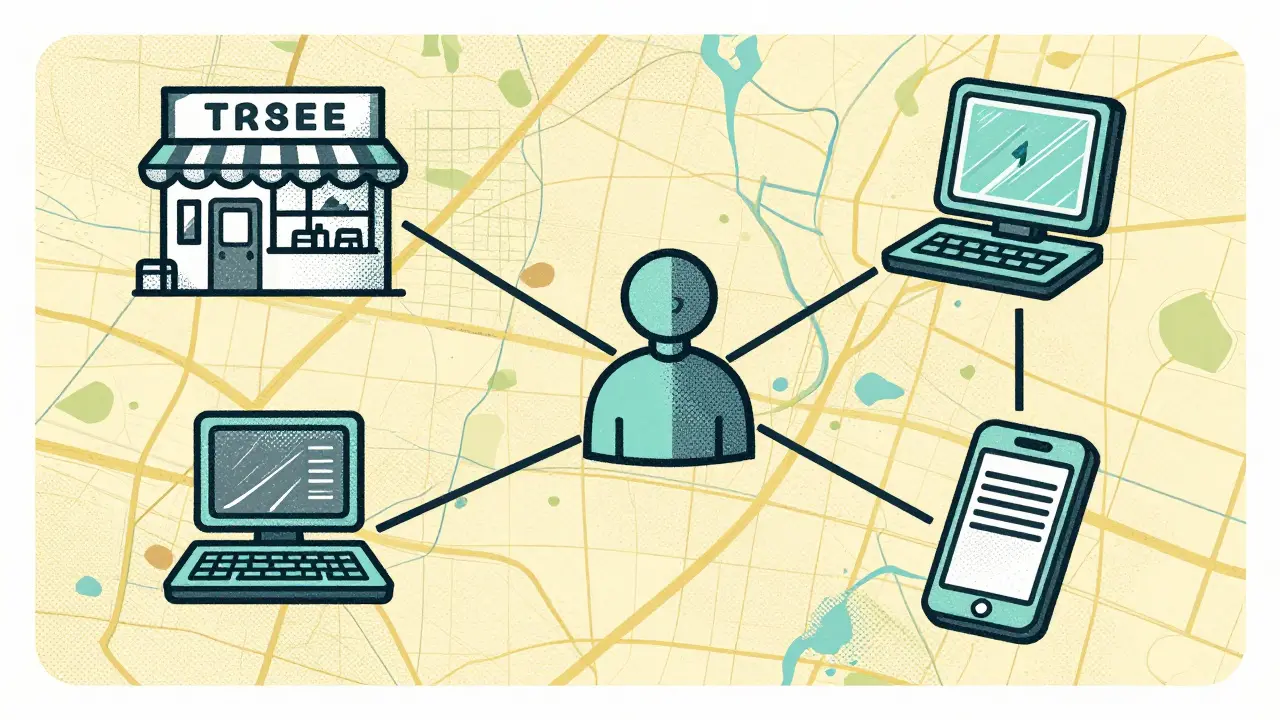
Where You Can Actually Buy MANTA
Because Manta lacks its own centralized exchange, traders must use third-party platforms. Liquidity varies significantly between venues. Established Tier-1 exchanges offer security, while smaller DEXs might provide deeper liquidity pools for specific pairs. Below is a snapshot of where verified listings have been active:
| Platform | Type | Typical Fees |
|---|---|---|
| Binance | Centralized (CEX) | ~0.1% Spot |
| BitMart | Centralized (CEX) | Variable |
| Manta Swap | Decentralized (DEX) | Gas + Slippage |
When using these platforms, always double-check the ticker symbol. "MANTA" is the standard, but phishing sites sometimes use confusingly similar names like "MANA" or "MANTO." Stick to major platforms until you are comfortable verifying contract addresses on a blockchain explorer.
Earning Yield Through Staking
Unlike simply holding the coin, Manta provides staking opportunities that can generate passive income. This feature has historically attracted users looking to optimize their returns during market consolidation periods. On the Manta Pacific chain, native staking is available for delegators willing to lock up capital.
Requirements typically include a minimum delegation amount, such as 500 MANTA tokens. You delegate your tokens to validators (collators) who secure the network. In return, you earn rewards distributed regularly-often every 6 hours. One distinct advantage reported by users is the non-slashing mechanism, meaning you don't lose principal due to validator mistakes, which is rare in many other staking ecosystems.
However, eligibility depends on remaining within the top 100 delegators or ensuring your chosen collator stays within the top 70 rank. If you fall below these thresholds, reward suspension can occur. This adds a layer of complexity compared to simple CEX yield farms.
Risks and Regulatory Landscape
Privacy features are both the biggest asset and the riskiest liability. While Manta focuses on Zero-Knowledge technology to enhance user data protection, regulators view privacy coins with skepticism. The European Union's Markets in Crypto-Assets (MiCA) regulation, effective January 2025, introduced stricter scrutiny on anonymity tools.
Manta has attempted to mitigate this by incorporating a decentralized identity layer, allowing for compliance checks without exposing total transaction histories. Despite this innovation, regulatory bans on privacy protocols remain a possibility in various jurisdictions. Before investing significant capital, verify local laws regarding privacy-centric blockchains.
Additionally, volatility is a constant factor. Historical analysis shows price swings can range from under $0.11 to over $4.00 in shorter market cycles. Always assess your risk tolerance before committing funds.
Looking Ahead in 2026
We are currently midway through a year that was anticipated to bring major upgrades. Early roadmaps promised cross-chain privacy pools and full launch of the Atlantic mainnet. By March 2026, adoption metrics show roughly 47 active dApps utilizing the infrastructure. User activity fluctuates but ranges between 8,000 to 12,500 daily active addresses.
Growth is expected to depend on partnerships. Integrations with major oracle providers like Chainlink and connectivity with the wider Polkadot ecosystem have already laid groundwork. Success here would solidify Manta's position beyond just being a speculative token.
Can I download the Manta Exchange app?
No, there is no official Manta Exchange mobile application. Any app store listing claiming to be "Manta Exchange" is likely a scam. To interact with the network, use trusted non-custodial wallets like Keplr or Trust Wallet connected to the correct chain.
Is it safe to stake my MANTA tokens?
Staking carries risks like locking periods and smart contract vulnerabilities. However, Manta uses a non-slashing model, which protects your principal from validator errors. Just ensure you meet the minimum delegation requirements to stay eligible for rewards.
Why can't I find Manta on some exchanges?
Delisting occurs due to compliance issues or low trading volume. Some exchanges pause support for privacy-focused projects during regulatory crackdowns. Always check the live status on CoinGecko or CoinMarketCap before attempting to buy.
Does Manta Network work with Bitcoin?
Not directly. Manta is built on Polkadot and Ethereum standards. To bridge Bitcoin to Manta, you would need to use a cross-chain bridging protocol like Wrapped BTC (WBTC) on a supported Layer 2.
What happens if I lose my wallet phrase?
If you are staking or holding directly on-chain, losing your seed phrase means losing access to your funds permanently. Unlike centralized exchanges, there is no customer support to recover lost credentials.
Pradip Solanki
March 27, 2026 AT 15:34The narrative surrounding infrastructure versus trading venues is often overlooked by retail investors who seek immediate liquidity rather than understanding underlying protocols.
Most participants conflate token availability with platform custody which leads to unnecessary friction when attempting to move assets across chains.
Security implications are far more significant than mere access issues because private key management dictates actual sovereignty over digital value.
Privacy focused networks require distinct operational procedures compared to centralized ledgers used by conventional exchanges today.
People fail to recognize that blockchain utility extends beyond simple buy-sell transactions.
I see countless individuals losing funds due to phishing attempts mimicking official branding because they ignore basic protocol verification steps.
Shelley Dunbrook
March 27, 2026 AT 21:26How delightful that anyone believes an "exchange" version exists despite clear documentation stating otherwise.
Aman Kulshreshtha
March 28, 2026 AT 06:40Yo just wanted to drop in and say thanks for clearing up the confusion about the network vs exchange thing
It was really easy to get tripped up by the similar naming conventions in the early stages
Appreciate the breakdown on where liquidity actually sits for this specific asset class
Definitely gonna stick to the DEX routes for my swaps instead of hunting for a fake CEX listing
Crypto landscape changes fast so staying updated on infra updates is key
Leona Fowler
March 29, 2026 AT 04:28Please understand that wallet security remains the single most important factor when dealing with decentralized networks
You retain full responsibility for your keys unlike custodial solutions where recovery options exist via support teams
Verify contract addresses on explorers before interacting with any interface claiming to offer token services
Never share seed phrases even if prompted by a website asking for authentication details to verify identity
Maintain cold storage practices for long term holdings to mitigate risks associated with online connectivity exposure
Utilize multi-signature setups if managing substantial amounts within the ecosystem governance frameworks
Be wary of unsolicited communications directing you to download unofficial mobile applications
Standard non-custodial tools like MetaMask are generally safer than proprietary apps lacking public audits
Remember that network fees vary significantly depending on congestion levels during peak trading hours
Always test small transaction volumes before committing larger positions to validate connectivity status
Ensure your software wallets are updated to the latest versions to prevent compatibility errors
Backup your credentials offline in secure locations away from potential fire hazards or data corruption risks
Monitor validator performance metrics regularly if engaging in staking activities within the Pacific chain environment
Watch out for smart contract vulnerabilities reported in community bug bounty programs before delegating assets
Stay informed about regulatory changes impacting privacy features as jurisdictions update their compliance requirements periodically
This guide highlights essential distinctions that protect your capital from avoidable technical failures and social engineering threats
Knowledge acts as the best defense against increasingly sophisticated fraudulent schemes targeting new entrants
Proper education prevents the loss of assets through preventable user error in complex environments
Patience while learning the correct procedures pays dividends in the long run for portfolio management strategies
Safety protocols evolve so continuous learning ensures you remain resilient against emerging threat vectors
Anand Makawana
March 30, 2026 AT 13:15Indeed! The clarity regarding infrastructure layers is absolutely paramount for our collective financial future!!
Every investor must grasp the fundamental difference between a trading venue and a settlement layer!!!
Ignoring these nuances can lead to catastrophic losses of personal wealth in volatile markets!!!!
We must educate ourselves to navigate the web3 ecosystem with precision and foresight!!!!!
Thank you for providing such a detailed roadmap for navigating this complex landscape!!!!!!
Let us all strive for better understanding of these technological underpinnings!!!!!!!
Mohammed Tahseen Shaikh
March 31, 2026 AT 15:07Folks gotta realize there ain no magic button for instant liquidity here without doing homework
Think of it like driving on a highway rather than buying a ticket at a bus station
Privacy is king but it comes with responsibilities nobody likes admitting to themselves
Scammers love preying on folks desperate for easy gains through fake portals
Keep your bags tight and your brain tighter before clicking weird links online
kavya barikar
April 1, 2026 AT 09:23Simplicity brings safety. Complexity invites risk. We choose simplicity whenever possible.
Aman Kulshreshtha
April 3, 2026 AT 07:34True that complexity breeds confusion for sure
But sometimes depth is needed to find good yields
Cordany Harper
April 4, 2026 AT 17:15Just chiming in to reinforce the point about verifying chain IDs before connecting your wallet
Got burned back in 2024 thinking I was on the right network because the URL looked legit
Always cross reference with official docs listed on github repos
Community forums are great but always double check primary sources
Happy to help anyone troubleshoot connection issues if you hit a snag though
DarShawn Owens
April 5, 2026 AT 18:52I hear what you are saying about the wallet connections being tricky sometimes
It can feel frustrating when you think you did everything right and still see errors
Taking a moment to read the documentation thoroughly helps ease that anxiety
We are all learning how to manage these assets safely together
Your experience helps others avoid the same pitfalls you encountered earlier
Andy Green
April 7, 2026 AT 03:00Amateurs focus on price action while veterans understand the structural integrity of the protocol itself.
Those complaining about the lack of a central interface simply reveal their lack of technical literacy.
Real utility exists in the ZK proofs not in the convenience of a login page.
One cannot expect regulation to bend for lazy investors seeking shortcuts.
The market will weed out those who fail to adapt to self-sovereign standards.
Annette Gilbert
April 7, 2026 AT 21:25Ugh honestly the panic is hilarious considering how obvious this info has been available for months
Why do people even bother searching for something that clearly doesn't exist?
It screams of desperation for quick returns without doing basic research
Just another day in the land of crypto gullibility and scamming victims
Sigh I guess the masses will never learn despite repeated warnings
Jenni Moss
April 8, 2026 AT 10:42Don't worry everyone makes mistakes sometimes we are all growing
Just take a deep breath and focus on what you can control now
Learning the ropes takes time and patience is your best friend
You got this strength to build a strong portfolio foundation slowly
Keep pushing forward despite the noise around you out there
vu phung
April 9, 2026 AT 00:41Understanding the architecture helps optimize yield farming strategies significantly over time
Native staking mechanisms offer superior APY compared to many third party lending pools currently available
Liquidity provider fees fluctuate based on volatility so diversification becomes necessary
Smart contract audits reduce risk exposure to exploit scenarios effectively
Monitoring validator uptime metrics ensures consistent reward distribution cycles
Gas costs on the pacific chain are relatively low compared to mainnet competitors
Integration with major oracle providers enhances price stability for collateralized loans
Compliance checks allow for broader institutional adoption eventually
Privacy features attract high net worth individuals seeking anonymity
Ecosystem growth correlates directly with developer activity on atlantic chain
Community governance decisions impact long term roadmap execution speed
Tokenomics include burn mechanisms to reduce circulating supply pressure
Bridge protocols facilitate easier movement between ethereum compatible networks
Regulatory clarity will determine sustained viability in global markets
User adoption rates track with successful dapp launches each quarter
Lorna Gornik
April 9, 2026 AT 15:14Hey guys :) just wanted to share my own expirience with manta pacific
I was super confused at frst about the exchnage name too lol
Turned out there is just the swap portal on the browser app
Hope this helps anyone else looking for info :D
Stay safe out there !
Joshua T Berglan
April 9, 2026 AT 21:02Awesome tip thanks for sharing your setup experience!
It helps so much hearing real stories from users navigating the tools
Everyone learns differently so seeing alternatives is fantastic
Keep sharing your knowledge with the community please
You are making a real difference here !
Kevion Daley
April 11, 2026 AT 02:45The quality of discourse here varies significantly from typical subreddits though
Some contributions show genuine depth while others merely echo surface trends
One must filter signal from noise when reviewing technical analysis data
Professionalism dictates we maintain higher standards in our communication
This platform is evolving towards meaningful engagement patterns
Tammy Stevens
April 12, 2026 AT 08:29I totally agree that filtering information is part of the daily routine now
Using multiple sources to verify data points creates a stronger conviction
We see a lot of fear driven narratives circulating on social media channels
It is crucial to separate emotional reactions from fundamental project updates
Diversifying your information diet helps avoid herd mentality traps
Justin Credible
April 13, 2026 AT 18:05yep def agree with that
Mansoor ahamed
April 15, 2026 AT 12:14Staking rewards are locked until unlock period ends
Use calculator to estimate ROI accurately
Check validator commission rates regularly
Jeannie LaCroix
April 17, 2026 AT 00:24Stop ignoring the risks involved with privacy focused regulations!
You are putting your entire portfolio at stake ignoring government crackdowns!
My god people have no idea what MiCA implies for token listings!
Do not blame me when your assets get frozen due to noncompliance measures!
This reckless behavior will destroy the ecosystem eventually!
Brad Zenner
April 18, 2026 AT 05:15While concerns about regulation are valid, compliance frameworks are evolving to accommodate privacy technology.
Decentralized identity layers offer a middle ground for users needing audit trails.
Investors should monitor legislative updates closely but continue utilizing tools responsibly.
Risk assessment includes both technical and legal dimensions of ownership.
Maintaining awareness is sufficient preparation for shifting policy environments.
Cordany Harper
April 19, 2026 AT 08:54Glad to see someone bringing balance to the conversation regarding laws
Overreaction can be just as damaging as ignorance when planning strategy
Thanks for keeping things grounded Brad