
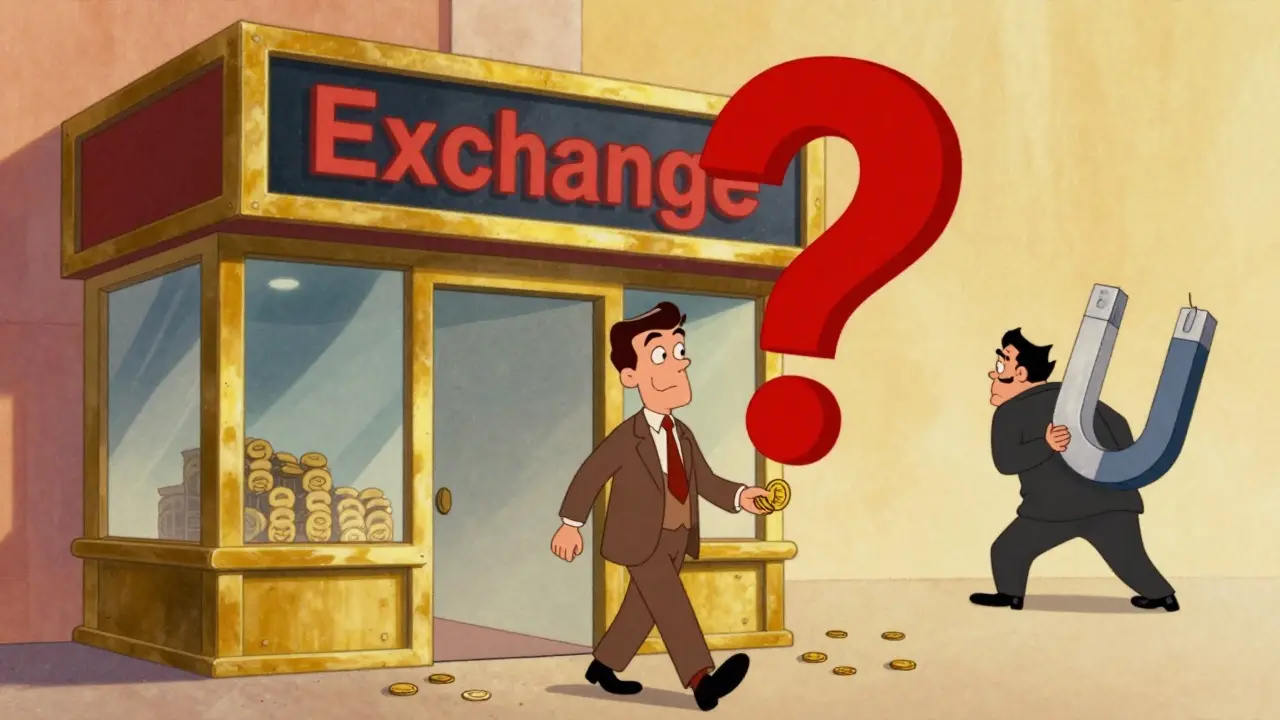
If you've come across a platform promising "regulated rewards" and easy profits through crypto trading, you're likely looking at Koindex is a suspected fraudulent cryptocurrency trading platform operating under the domain koindextradeoptions.com. Before you deposit a single cent, you need to know that this isn't just a "risky" investment-it's a textbook example of a modern crypto scam. While the website looks polished, the reality behind the curtain is a void of regulation and a pattern of stolen funds.
The Red Flags You Can't Ignore
When checking if a platform is safe, we look for a digital footprint. Legitimate exchanges are tracked by industry giants. However, Koindex is completely absent from the 2025 rankings of CoinGecko, Forbes, and CoinDesk. If a platform claims to handle millions in volume but isn't mentioned in a single trusted industry report, that's a massive warning sign.
The technical data is even more damning. The domain was registered in November 2024 using a privacy service to hide who actually owns it. Even worse, ScamAdviser gave the site a trust score of only 22/100 in May 2025. Why? Because it has almost no real user traffic and shares server infrastructure with other known scam operations. It's essentially a "pop-up shop" designed to lure people in, take their money, and vanish.
How the Koindex Trap Works
Koindex uses a psychological trick called the "recovery room" or "pig butchering" method. In the beginning, they might let you withdraw a small amount-say, $50 or $100. This creates a false sense of security, making you think, "Hey, it actually works!" Once you're convinced and deposit a larger sum, the trap snaps shut.
Users on platforms like Reddit and the Beer Money Forum have reported a consistent pattern: as soon as they try to withdraw a significant amount, the platform demands "verification fees" or "taxes." This is a blatant lie. No legitimate exchange asks for a separate payment to release your own funds. According to the FBI, these types of schemes have seen a 63% increase in 2025, with average losses hitting over $15,000 per victim.
| Feature | Koindex | Verified Exchanges (e.g., Binance, Kraken) |
|---|---|---|
| Regulatory License | None (Claims fake IFSC) | SEC, FCA, MAS, or MiCA registered |
| Proof of Reserves | None | Publicly audited real-time reserves |
| Withdrawal Process | Demands "verification fees" | Standard automated withdrawals |
| Security Protocols | Missing 2FA/Whitelisting | Mandatory 2FA & Hardware Keys |
| Industry Trust Score | Very Low (22/100) | High (9.0 - 10/10) |

Fake Volume and Cloned Tech
If you look at the Koindex homepage, they brag about a daily trading volume of $12.7 million. But here's the thing: blockchain data doesn't lie. When experts checked Blockchain.com and Etherscan, they found zero transactions matching the platform's claimed activity. The numbers on the screen are just fake digits in a database, not real trades.
The platform also uses a cloned MetaTrader 4 interface. They didn't build a professional exchange; they bought a "white label" template for a few hundred dollars on Telegram and slapped their logo on it. This is a common tactic used by scams like "HCM" and "HOINEX," which both disappeared after stealing tens of millions of dollars from unsuspecting traders.
Regulatory Warnings: The Final Word
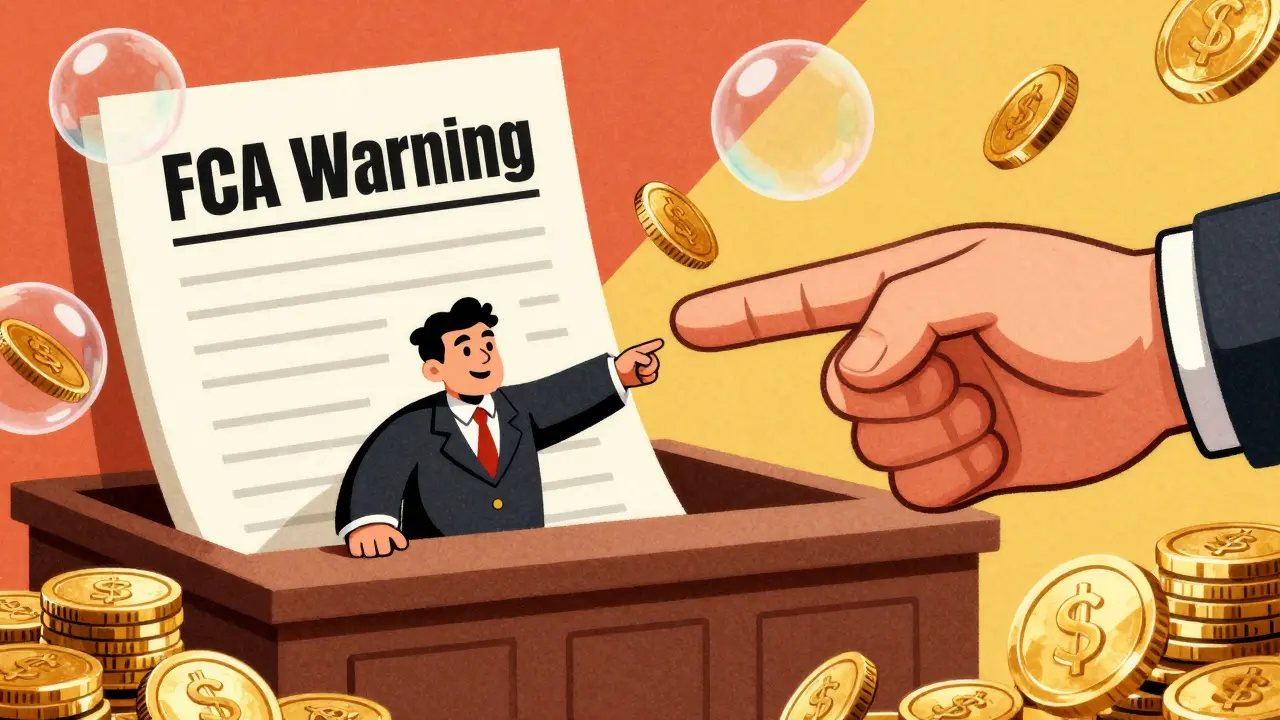
If you still have doubts, look at the official government warnings. The UK Financial Conduct Authority (FCA) has explicitly listed Koindex as an unregistered entity operating without authorization. Similarly, the Commodity Futures Trading Commission (CFTC) issued a specific alert in May 2025 naming this domain as an unlawful trading platform.
They claim to be regulated by the "International Financial Services Commission." Be careful here-they are mimicking the real Belize IFSC to trick you. Interpol reports that nearly 78% of fake exchanges use this exact strategy of mimicking real regulatory bodies to appear legitimate.
Where to Go Instead
Don't let the fear of scams stop you from trading, but do it where your money is safe. If you're a beginner, look for platforms with high trust scores and human support. Coinbase and Binance are the industry standards for a reason-they have billions in actual volume and strict KYC (Know Your Customer) protocols.
For those who want a a more beginner-friendly entry point, CEX.IO is often cited for its transparent fee structure and instant buy features. If you are specifically interested in index trading (which Koindex falsely claims to offer), CryptoIndex.com is a legitimate alternative that provides actual tools for token diversification across multiple blockchains.
Is Koindex a legitimate cryptocurrency exchange?
No. Koindex (koindextradeoptions.com) shows all the signs of a fraudulent platform, including a lack of regulatory licenses, fake trading volume, and reports of withdrawal fraud. It is listed on the FCA warning list.
Why is Koindex asking for a verification fee to withdraw my money?
This is a classic scam tactic. Legitimate exchanges deduct fees from your existing balance; they never ask you to send additional money to "unlock" your funds. Any request for a "verification fee" or "tax payment" before a withdrawal is a sign of fraud.
What should I do if I already deposited money into Koindex?
Stop sending money immediately. Contact your bank or credit card provider to see if the transaction can be disputed. Report the fraud to the IC3.gov portal (for US residents) or your local cybercrime authority. Be wary of "recovery experts" who claim they can get your money back for a fee-these are usually second-stage scams.
How can I tell if a crypto exchange is real?
Check for three things: 1) Registration with a real regulator (like the SEC or FCA), 2) A high trust score on independent sites like CoinGecko, and 3) Verifiable proof-of-reserves. If a platform promises "guaranteed rewards" or has no presence in industry reports, avoid it.
Is the "International Financial Services Commission" a real regulator?
Koindex uses a generic name to mimic the real International Financial Services Commission (IFSC) of Belize. Scammers often use slightly altered names of real regulators to deceive users into thinking they are compliant.
Kyle Bush
April 24, 2026 AT 23:56Total garbage! 😡 These scammers are probably running this from some basement overseas while we pay the price! This is why we need to put America first and stop these globalist rats from stealing our hard-earned cash!! 🇺🇸🇺🇸🇺🇸 Absolutely disgusting!
Yvette P
April 25, 2026 AT 16:32Oh honey, imagine actually thinking a white-label MT4 clone with a trust score of 22 is a viable investment vehicle in the current macro environment. It's almost cute that people still fall for the 'verification fee' trope, which is essentially the digital equivalent of a Nigerian Prince email from 2004. If you aren't analyzing the liquidity pools or checking the on-chain provenance of the reserves via a block explorer, you're basically just donating your portfolio to a syndicate of script kiddies in a different timezone. The cognitive dissonance required to ignore an FCA warning is truly a masterpiece of human denial. Maybe if we taught basic blockchain forensics in primary school, we wouldn't have to spend our time debunking these blatant rug-pulls that are as transparent as a freshly cleaned window. It's honestly exhausting how often we have to explain that if the ROI is "guaranteed," you are the exit liquidity for someone else's dream house in Bali.
Sarah Ingrams
April 26, 2026 AT 07:06so sorry for anyone who lost money to this it really hurts to feel that betrayal
Doc Coyle
April 26, 2026 AT 09:33It's just common sense. If you're not careful with your money, you deserve to lose it. I don't get why people need a guide to tell them this is a scam.
Jason M
April 27, 2026 AT 00:26OH MY GOD!! The sheer audacity of these predators to use a fake IFSC is just HEARTBREAKING! Please, everyone, if you've been hit, do not lose hope! We can get through this together by reporting every single detail to the authorities!
Gloris Young
April 28, 2026 AT 17:43Stay safe everyone. Just stick to the big names.
Caiaphas Konkol
April 28, 2026 AT 22:28The fact that the government is "warning" us is just a smokescreen. They want us on the "verified" exchanges so they can track every single satoshi we move. This Koindex thing is a scam, sure, but the alternative is a digital panopticon. Only the elite truly understand how to move assets without the gaze of the state.
Keith Garcia
April 29, 2026 AT 05:30A truly pedestrian attempt at a trading platform 🙄. The aesthetics are simply ghastly and the logic is flawed. Imagine being so devoid of intellect that you believe a 22/100 trust score is a green light 🤡✨.
Greg Reynolds
April 30, 2026 AT 14:15Actually, the claim that Binance is the only standard is reductive. While Koindex is obviously a fraudulent operation, implying that only a few giants are safe is a simplification that ignores the nuances of decentralized finance.
Eric Raines
May 1, 2026 AT 00:22I've seen this a million times. People think they're geniuses finding a secret platform and then they come crying when the money vanishes. I'm the only one who actually sees the pattern here.
praveen subbiah
May 2, 2026 AT 21:58My heart bleeds for the victims!! But let us remember that our strength and our resilience will overcome these greedy thieves! 🇮🇳
Guy Bianco
May 4, 2026 AT 09:23It is imperative that we guide the newcomers with patience. Please be diligent in your research. ✍️
Findlay Duncan Lyon
May 5, 2026 AT 09:16Right place, right time for this warning. Cheers.
Larry Yang
May 7, 2026 AT 06:24imagine beliving the fca actually cares about your pennies lol. typical mid-wit thinking to trust a regulator over the raw data of the chain.
Alex Wan
May 8, 2026 AT 00:38I am most gratifeyed to see this detailed warnning!! It is a truly noble effort to proteckt the communnity from such nefariouse actors!!
Sarah Fisher
May 9, 2026 AT 22:19It's interesting how these scams mirror the human desire for a shortcut to prosperity. We seek the easy path and find the trap.
Sara Ellis
May 10, 2026 AT 07:27just follow the money and you see the truth it all just a game man
Jennifer Taylor
May 11, 2026 AT 14:26The government is in on it. They let these scams exist to scare people away from crypto so they can keep us on the dollar.
Mike Word
May 12, 2026 AT 01:43I've noticed a lot of these sites use the same template. It's quite a pattern across different niches.
Clair Geary
May 12, 2026 AT 18:51wow what a wild ride this whole thing is just a giant mess of glitter and lies
Jagdish Sutar
May 14, 2026 AT 05:19Stay positive everyone! We can learn from these mistakes to build a better future together.
Alex Hunter
May 15, 2026 AT 18:14I've been through this and the best thing you can do is report it immediately. Don't wait for them to "fix" it because they won't.
Mike Krasner
May 17, 2026 AT 08:59who actually cares if the site is a clone just make money and leave
Kathleen Bergin
May 18, 2026 AT 17:54Everyone knows a verification fee is a scam. It's common knowledge.
Charlie Queen
May 18, 2026 AT 22:02Let's all keep helping each other out! 🌈 Sending good vibes to anyone who got tricked!
Miranda Jamieson
May 20, 2026 AT 04:42If you were stupid enough to put money in this, don't come crying to the internet for sympathy. You failed the most basic test of intelligence.