
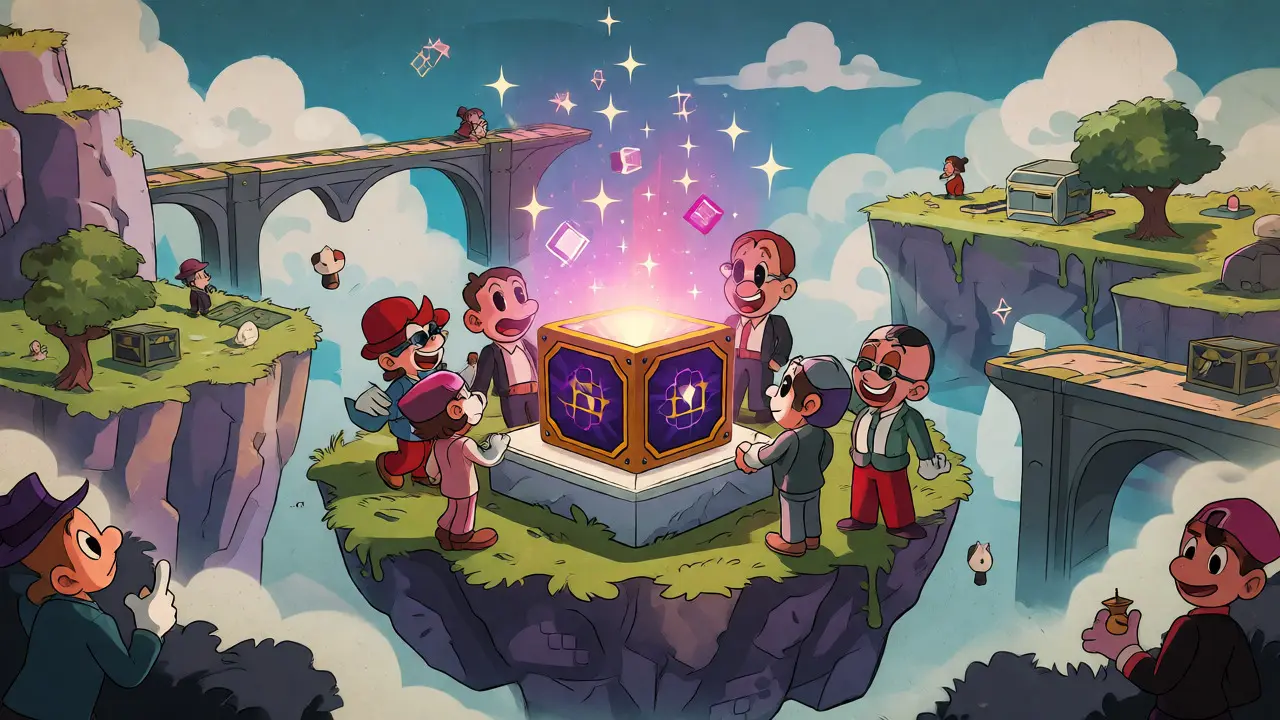
Have you ever heard of an airdrop that promises to pay for itself after just three boxes? That is the pitch behind KAKA NFT World, a project trying to blend competitive gaming with decentralized finance. But here is the catch: if you look at the live charts right now, you might see a price of $0.00 and zero trading volume. Is this a hidden gem waiting to explode, or has the market moved on? If you are holding your breath for free tokens, you need to understand exactly how the KAKA NFT World airdrop works before you commit your time.
This isn't just about clicking a button and hoping for luck. The ecosystem relies on a mix of mystery boxes, mining rewards, and NFT utility. Let's break down the real details, cut through the conflicting data, and figure out if this is worth your attention in late 2026.
What Exactly Is KAKA NFT World?
KAKA NFT World is a cross-chain metaverse gaming platform. It aims to connect different blockchains using a bridge based on global decentralization concepts. Think of it as a hub where game assets, art NFTs, and e-sports prediction markets meet. The project integrates well-known brand IPs into its DAO (Decentralized Autonomous Organization) structure, meaning the community has a say in how things run.
The platform splits its focus into two main areas:
- NFT Services: Research, development, sales, and trading for game and art NFTs.
- E-Sports Predictions: A marketplace where users can bet on or predict outcomes in competitive gaming scenarios.
There is some confusion in the tech community about which blockchain powers this engine. Some sources point to the BNB Chain due to specific contract addresses starting with '0x'. Others claim it runs on Solana. This discrepancy matters because it affects gas fees and wallet compatibility. For now, treat it as a multi-chain project, but verify the network before sending any funds.
The Airdrop Mechanics: Mystery Boxes and Mining
The core of the user engagement strategy is the airdrop program. Unlike traditional airdrops where you just hold a token, KAKA uses a gamified approach involving "Mystery Boxes." Here is how it actually works:
- Participation: Users engage with challenges and promotions on the official website.
- Mystery Box Distribution: Periodically, participants receive Mystery Box airdrops. These aren't just empty promises; they contain actual value.
- ROI Potential: The platform claims that depending on the value inside the box, you could recover your initial investment within three to four acquisitions. This suggests a high-variance model-some boxes might be worthless, others huge.
- Conversion: Any cryptocurrency rewards earned from these boxes or mining activities can be directly converted into KAKA tokens.
Beyond mystery boxes, there is a mining component. The official site distributes mining rewards containing various popular cryptocurrency tokens. This keeps users active on the platform rather than just dumping their tokens immediately.
Tokenomics: Supply and Distribution Conflicts
If you dig into the data sheets, you will find two very different stories about the token supply. This is crucial for understanding scarcity.
| Feature | Model A (CoinMarketCap Data) | Model B (Alternative Source Data) |
|---|---|---|
| Total Supply | 100 Million KAKA | 1 Billion KAKA |
| Circulating Supply | 5.5 Million (Self-reported) | Data varies |
| Airdrop/Mining Allocation | Not explicitly detailed | 59% (590 Million Tokens) |
| Team Allocation | Not explicitly detailed | 15% (150 Million Tokens) |
| Blockchain | BNB Chain | Solana |
The second model paints a picture of a massive community-focused distribution. With 59% of the total supply allocated to mining and airdrops, the developers are clearly prioritizing user acquisition over immediate profit-taking. Additionally, the liquidity pool is reportedly burned, and the contract is renounced. In plain English? The developers cannot change the rules or rug-pull by minting more tokens. They have handed control over to the code and the community.
The KAKA-Rabbit NFT Collection
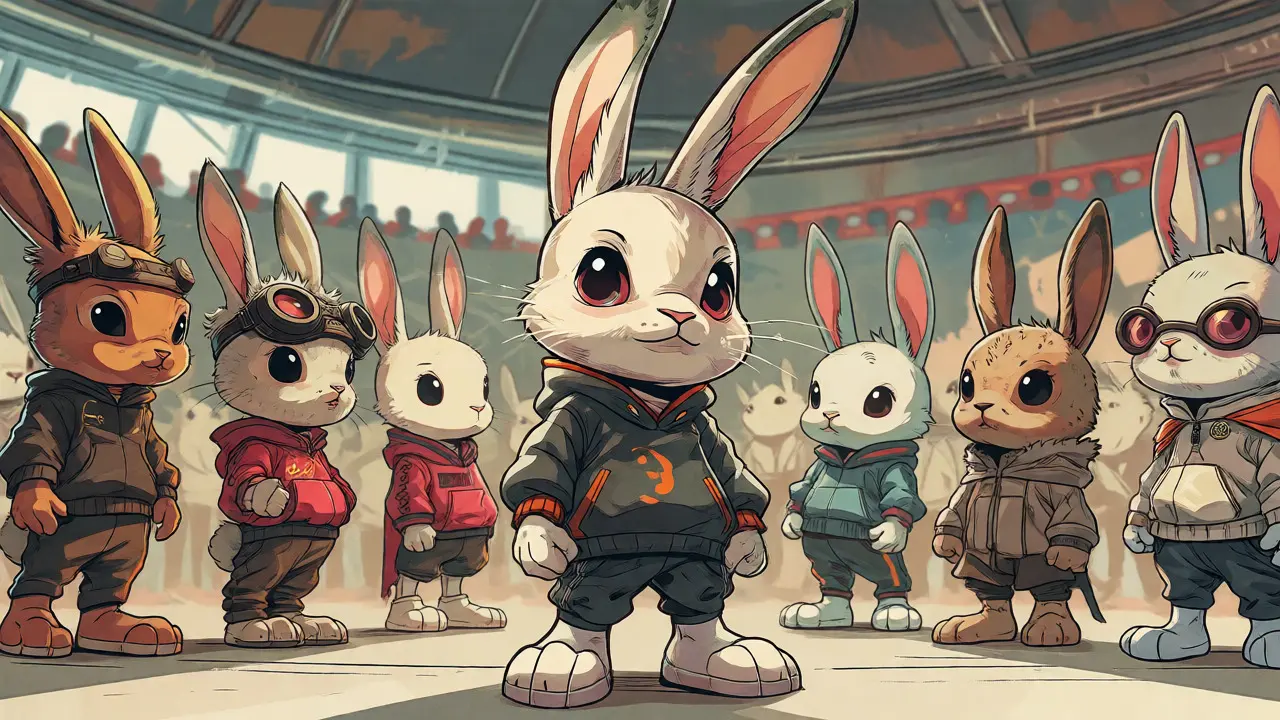
Tokens are one thing, but the visual identity of the project lies in its NFTs. The KAKA-rabbit collection is limited to 10,000 pieces globally. These aren't algorithmically generated avatars like many other projects. Each rabbit is hand-drawn by famous CG artists and game designers worldwide.
Owning a KAKA-rabbit isn't just about having a cool profile picture for Twitter. Holders get tangible benefits:
- Priority Access: Early entry to card game experiences.
- Enhanced Rights: Better odds or advantages in upcoming battles.
- Community Status: A symbol of participation in the early days of the metaverse.
A notable collaboration with Binance resulted in 20 exclusive pieces being sold on the Binance NFT marketplace. This partnership lends a layer of credibility, suggesting that major exchanges saw potential in the artistic quality of the project.
Current Market Reality: The Zero Price Problem
Let's address the elephant in the room. As of September 2026, major trackers like Bitget and CoinMarketCap list the live price of KAKA at $0.00 USD. The 24-hour trading volume is also $0.00. What does this mean for you?
It means liquidity is virtually non-existent. You cannot easily buy or sell KAKA tokens on major spot markets right now. Prediction algorithms fail because there is no historical data to analyze. When CoinCodex says it needs hours of data to make a prediction, it’s understating the issue-there is barely any activity at all.
Why is the price zero? There are three likely scenarios:
- Development Phase: The project is still building out its gaming features and hasn't launched full-scale trading yet.
- Technical Glitch: The conflicting blockchain information (BNB vs. Solana) might indicate migration issues or listing errors.
- Market Abandonment: The hype died down, and traders moved to newer narratives.
Despite the zero price, the community rating on CoinMarketCap sits at 4.4 out of 5 stars. This disconnect between sentiment and financial performance is common in niche crypto projects. People like the idea and the art, but they aren't putting money behind it yet.

How to Participate and Verify
If you want to try your luck with the airdrop, here is the practical path forward. Do not assume you can just trade it instantly. Follow these steps carefully:
- Visit the Official Site: All airdrop claims and mining rewards happen here. Look for the "Mystery Box" section.
- Check the Contract Address: Verify the smart contract on a blockchain explorer. The address
0x26a1...d13a8ais cited in reports. Ensure it matches the network you are using (likely BNB Chain given the format). - Create Accounts on Exchanges: Platforms like Bitget allow account creation and verification even if trading volumes are low. This prepares you for when liquidity returns.
- Monitor Social Channels: Since the price is static, news flow comes from Discord and Twitter. Watch for announcements regarding new Mystery Box drops or game launches.
Be cautious. An airdrop is free, but interacting with smart contracts always carries risk. Never send more ETH or BNB than you are willing to lose to cover gas fees for claiming rewards.
Is It Worth Your Time?
So, should you care about the KAKA NFT World airdrop? It depends on your risk appetite and interest in niche gaming metaverses.
If you are looking for quick flips, this is not it. The zero-volume status means you are stuck with whatever you earn until the market wakes up. However, if you believe in the long-term vision of cross-chain gaming and appreciate the hand-crafted nature of the KAKA-rabbit NFTs, the cost of entry is low. The 59% allocation to the community is a strong signal that the founders want users to own the majority of the supply.
The burned liquidity and renounced contract are positive signs of decentralization. They remove the fear of sudden developer dumps. But without trading volume, those tokens are just numbers on a screen. Keep an eye on the e-sports prediction market integration-if that feature goes live and gains traction, the demand for KAKA tokens could spike suddenly.
What is the current price of KAKA NFT World?
As of late 2026, the reported price is $0.00 USD with zero trading volume on major platforms like Bitget and CoinMarketCap. This indicates extremely low liquidity or that the token is not currently actively traded on public spot markets.
Which blockchain does KAKA NFT World use?
There is conflicting information. Some sources cite the BNB Chain (indicated by 0x contract addresses), while others specify Solana. Users should verify the network on the official website before attempting transactions.
How do I get KAKA airdrops?
Users participate in challenges and promotions on the official KAKA website. Rewards are often distributed via "Mystery Boxes" or mining programs, which can then be converted into KAKA tokens.
Is the KAKA contract safe?
Reports indicate that the liquidity pool has been burned and the contract renounced. This means developers cannot mint new tokens or pull liquidity, reducing the risk of a traditional rug pull, though it does not guarantee the project's success.
What are the benefits of owning KAKA-rabbit NFTs?
Holders gain priority access to card games, enhanced rights in battles, and serve as symbols of community participation. The collection is limited to 10,000 hand-drawn pieces.