
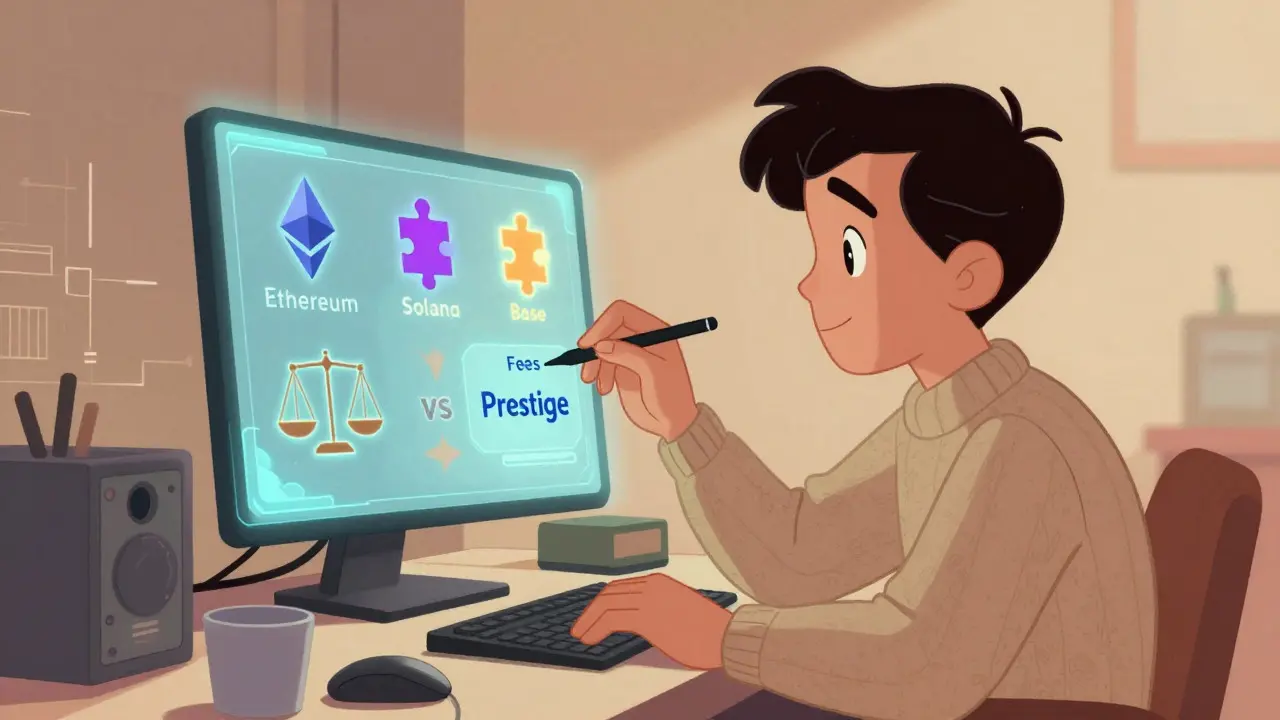
The hype cycle of 2021 is long gone. If you are looking to get rich quick by uploading a blurry JPEG and waiting for millions to roll in, you have come to the wrong place. The NFT market has matured into a legitimate business channel for digital artists, but it requires strategy, patience, and technical know-how. As of late 2025 and heading into 2026, the global NFT market has stabilized at around $15.3 billion, shifting focus from speculative gambling to utility-driven value and genuine artistic expression.
Creating and selling Non-Fungible Tokens (NFTs) today is less about luck and more about building a brand. You need to understand which blockchain to use, how to minimize transaction fees, and where your audience actually hangs out. This guide cuts through the noise to show you exactly how to prepare your art, choose the right platform, and list your work for sale without burning money on unnecessary costs.
Understanding What an NFT Actually Is
Before you upload anything, let’s clear up what you are actually selling. An NFT is a unique digital certificate of ownership recorded on a blockchain. It does not necessarily mean you own the copyright to the image itself, though some contracts do transfer that. Instead, you are selling a verifiable token that proves authenticity and provenance. Think of it like buying an original painting versus a poster of that painting. The poster looks the same, but the original has a signature and a history that gives it value.
This technology relies on smart contracts-self-executing agreements with the terms directly written into code. When someone buys your NFT, the contract automatically handles the transfer of funds and updates the ownership record on the public ledger. This transparency solves a major problem in the digital world: proving who owns what. For artists, this means you can finally monetize digital files in a way that was previously impossible, with built-in mechanisms for secondary sales royalties.
Choosing Your Blockchain: Ethereum vs. Solana vs. Base
The first big decision you face is which blockchain network to build your collection on. This choice affects your fees, your audience, and the environmental impact of your work. There is no single "best" chain; there is only the one that fits your specific goals.
| Blockchain | Average Gas Fee | Market Share | Best For |
|---|---|---|---|
| Ethereum | $1.25 - $3.75 | 48.2% | High-value art, established collectors, blue-chip status |
| Solana | $0.00025 | 29.7% | High-volume collections, low-cost entry, gaming assets |
| Base | Negligible | 14.3% | Beginners, community-driven projects, OpenSea users |
| Polygon | $0.02 | 7.8% | Eco-conscious creators, enterprise partnerships |
Ethereum remains the king of prestige. Most high-end auction houses and serious collectors operate here. However, even with the shift to Proof-of-Stake reducing energy consumption by 99.95%, gas fees can still spike during peak hours. If you are minting a single, high-value piece, Ethereum is likely your best bet. For everything else, consider alternatives.
Solana offers lightning-fast transactions and near-zero fees. It is popular for generative art projects with thousands of editions because the cost per mint is virtually nothing. Platforms like Magic Eden thrive here. If you plan to release large collections or want to test the waters without risking much capital, Solana is a strong contender.
Base, Coinbase’s Layer 2 solution, has surged in popularity recently. OpenSea, the largest marketplace, has migrated heavily to Base, offering reduced transaction costs by up to 87% compared to Ethereum mainnet. For many new artists in 2026, Base provides the perfect balance of accessibility, low fees, and access to a massive user base.
Setting Up Your Web3 Wallet
You cannot interact with any NFT marketplace without a crypto wallet. This is your gateway to the decentralized web. It stores your private keys, which prove ownership of your digital assets. Losing these keys means losing your money forever, so security is paramount.
For most artists starting out, MetaMask is the industry-standard browser extension wallet. It supports Ethereum, Base, Polygon, and many other networks. During setup, you will receive a 12-24 word seed phrase. Write this down on paper and store it somewhere safe. Do not screenshot it, do not save it in a cloud document, and never share it with anyone. Not even "customer support."
If you are focusing on Solana, you will need Phantom Wallet is a multi-chain wallet optimized for Solana and Ethereum ecosystems. It offers a sleeker interface and easier social login options, which can be helpful for beginners intimidated by traditional key management.
Once your wallet is installed, fund it with a small amount of cryptocurrency. For Ethereum-based chains, you will need ETH to pay for gas fees. For Solana, you need SOL. At current rates, keeping about $25-$50 worth of crypto in your wallet is usually enough to cover initial minting and listing costs.
Preparing Your Digital Artwork
Not all file types are created equal in the NFT world. Marketplaces have strict specifications regarding format and size. Preparing your art correctly ensures it displays properly for buyers and avoids rejection during the upload process.
- Accepted Formats: JPEG, PNG, GIF, SVG, WEBP, MP4, and GLB (for 3D models). PNG is generally preferred for static images due to its lossless compression.
- File Size Limits: OpenSea allows up to 100MB, Magic Eden caps at 35MB, and Foundation goes up to 200MB. Always check your specific platform’s limits before uploading.
- Resolution: Aim for high resolution. While the blockchain doesn’t store the high-res file itself (it stores a link to the file hosted elsewhere), buyers expect quality. Standard practice is 300 DPI for print-ready equivalents or at least 4000x4000 pixels for digital display.
Consider adding metadata to your files. This includes titles, descriptions, and properties. For generative art, properties like "Background: Blue" or "Rarity: Legendary" help collectors filter and trade. Even for solo pieces, a compelling description adds context and value. Explain your inspiration, the tools you used (like Adobe Photoshop or Procreate), and the story behind the piece.
Choosing the Right Marketplace
Where you list your art matters as much as the art itself. Different platforms attract different crowds. Here is how the major players stack up in 2026:
OpenSea is the Amazon of NFTs. With over 1.8 million monthly active users and support for multiple blockchains, it has the largest audience. However, it charges a 2.5% platform fee, and new collections often require approval, which can take 24-72 hours. It is ideal for generalists and those wanting maximum exposure.
Magic Eden started on Solana but now supports Ethereum and Bitcoin Ordinals. It is known for its user-friendly mobile app and near-instant listing capabilities. With a lower 1.5% fee, it is attractive for artists focused on volume or those who prefer the Solana ecosystem. It lacks the sheer buyer depth of OpenSea but makes up for it with speed and ease of use.
Foundation operates on an invitation-only model. This exclusivity attracts high-net-worth collectors and curators. If you have a strong existing following or a unique style, getting accepted here can boost your credibility significantly. However, with only 14.3% of applications accepted, it is not a reliable starting point for complete newcomers.
Rarible offers a decentralized governance model where holders of the RARI token vote on platform changes. It is a good option for artists who care deeply about decentralization, though it suffers from lower liquidity compared to the giants.
The Minting Process: Step-by-Step
Minting is the act of creating your NFT on the blockchain. Here is the practical workflow you will follow on most platforms:
- Create a Collection: On your chosen marketplace, click "Create" and then "My Collections." Give your collection a name, description, and logo. Set your royalty percentage here. Industry standard is between 2.5% and 10%. This is the cut you earn every time your NFT is resold in the future.
- Upload Your File: Select your image or video file. Add the title and description. Fill in the properties if applicable.
- Select Blockchain: Choose the network you prepared earlier (Ethereum, Base, Solana, etc.). Ensure your wallet is connected and funded.
- Mint the Item: Click "Create." Depending on the platform and chain, this might be instant (lazy minting) or require a small gas fee. Lazy minting delays the blockchain transaction until the item is sold, saving you upfront costs.
- List for Sale: Once minted, you can set a price. You can choose a fixed price (e.g., 0.05 ETH), a timed auction (bidding opens and closes at specific times), or a Dutch auction (price starts high and decreases over time).
Pro Tip: Use gas trackers like Etherscan to monitor network congestion. Minting during off-peak hours (typically 2-5 AM UTC) can save you significant money on Ethereum transactions. Sarah Zucker, a digital art educator, notes that timing your mints can reduce fees by up to 80%.
Pricing Your NFT Art
Pricing is an art form in itself. In 2026, the average NFT art sale price has stabilized around $142.50, with 78% of sales occurring in the $25-$250 range. This is a far cry from the six-figure peaks of 2021, but it represents a more sustainable market.
If you are new, start low. Price your first few pieces competitively to build sales history and collector trust. A sale generates data; no sale generates nothing. As you build a reputation, you can increase prices. Consider offering limited editions rather than unique singles if you want to reach a broader audience. Ten copies at $50 can sometimes generate more revenue and community engagement than one copy at $500.
Use tools like OpenSea Pro’s AI-powered pricing suggestions, which analyze historical sales data to recommend fair market values. Don’t just guess. Look at what similar artists with similar follower counts are charging.
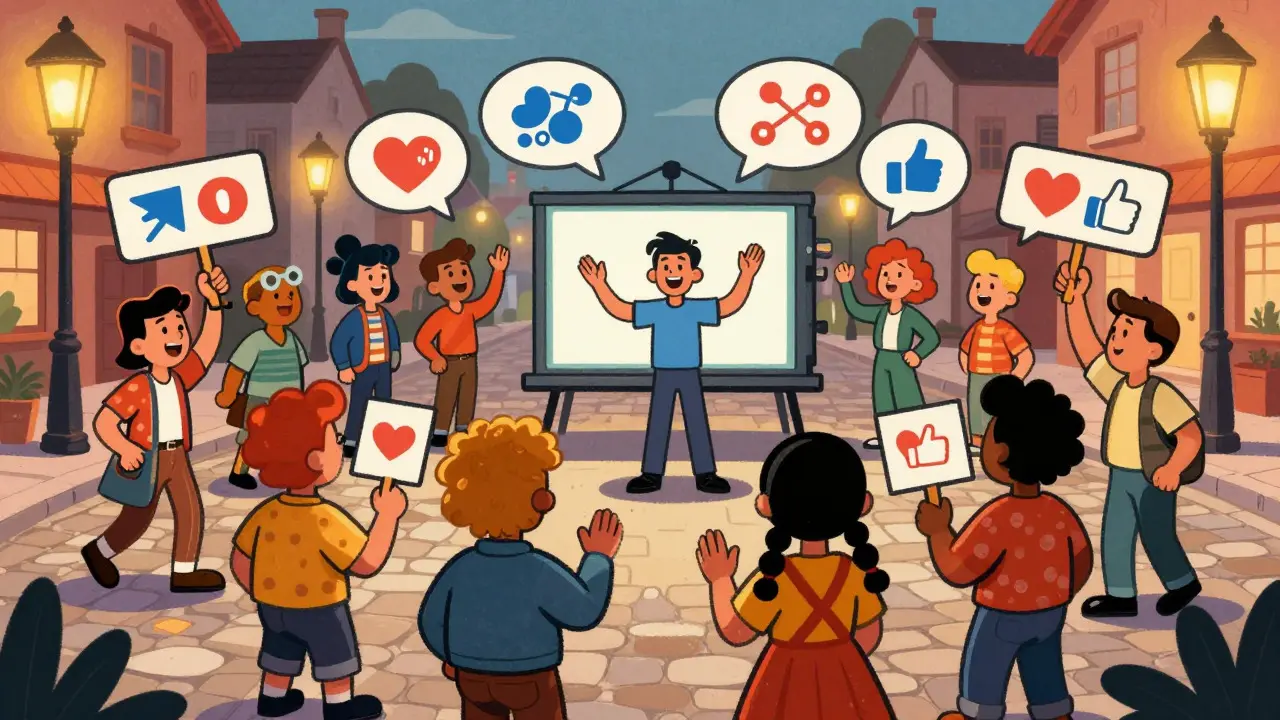
Marketing and Community Building
This is where 90% of artists fail. Listing your NFT is only step one. Selling it requires promotion. The era of posting once on Twitter and waiting is over. Successful creators treat their NFT project like a startup.
- Multi-Platform Presence: Be active on X (formerly Twitter), Discord, Instagram, and TikTok. Each platform serves a different purpose. Twitter is for announcements and networking. Discord is for community building. Instagram and TikTok are for showcasing the visual appeal of your art.
- Behind-the-Scenes Content: People buy into artists, not just images. Share your process, your sketches, and your failures. Authenticity builds connection.
- Engage Daily: Spend at least 30 minutes a day interacting with other artists and collectors. Comment, retweet, and join conversations. Networking is crucial.
- Offer Utility: Why should someone buy your NFT? Does it grant access to a private Discord? Does it include a physical print? Does it unlock future discounts? Adding utility increases perceived value.
According to a 2025 study by Nansen.ai, artists who maintain consistent output (at least one piece weekly) and engage authentically with communities see 6.3x higher revenue sustainability over 18 months. Consistency beats intensity.
Tax Implications and Legal Considerations
Don’t ignore the boring stuff. In most jurisdictions, including the US and EU, profits from NFT sales are taxable events. The IRS treats crypto-to-crypto trades and NFT sales as capital gains. Keep detailed records of your purchase price, minting costs, and sale proceeds.
The EU’s MiCA regulations, fully implemented in June 2025, require marketplaces to verify creator identities and implement anti-money laundering protocols. Ensure your chosen platform is compliant. Additionally, clarify in your smart contract whether you are transferring copyright or just granting a license. Ambiguity here can lead to legal disputes later.
Common Pitfalls to Avoid
New artists often make costly mistakes. Here is what to watch out for:
- Ignoring Gas Fees: Minting during peak hours can eat your entire profit margin. Always check gas prices first.
- Weak Metadata: Poorly titled or described artworks look unprofessional. Take the time to write compelling copy.
- Overpricing Early Work: Starting too high discourages early adopters. Build momentum first.
- Security Negligence: Never connect your main trading wallet to sketchy websites. Use a separate "burner" wallet for exploring new dApps.
- Lack of Promotion: Assuming the marketplace will bring buyers is a myth. You must drive traffic yourself.
Conclusion: Building a Sustainable Career
Creating and selling NFT art in 2026 is a viable path for digital artists, but it demands professionalism. The speculative bubble has burst, leaving behind a robust infrastructure for digital ownership. By choosing the right blockchain, setting up secure wallets, preparing high-quality assets, and actively marketing your work, you can carve out a niche in this evolving landscape. Focus on building a community, delivering consistent value, and treating your art as a business. The artists who thrive are those who adapt, learn, and engage genuinely with their audience.
How much does it cost to create an NFT?
The cost varies significantly by blockchain. On Ethereum, gas fees can range from $1.25 to $3.75 per transaction during normal times, but can spike higher. On Solana, fees are negligible, around $0.00025. Some platforms offer "lazy minting," which defers the gas fee until the item is sold, effectively making creation free for the artist initially.
Which blockchain is best for beginner NFT artists?
Base and Solana are excellent choices for beginners due to their low transaction fees. Base, supported by OpenSea, offers easy access to a large user base with minimal cost. Solana is also very cheap and fast, ideal for testing the waters without worrying about high gas fees eating into your budget.
Do I need to know how to code to create an NFT?
No, you do not need coding skills. Major marketplaces like OpenSea, Magic Eden, and Foundation provide user-friendly interfaces that handle the technical smart contract deployment for you. You simply upload your file, fill in the details, and click create.
What are NFT royalties, and how do they work?
Royalties are a percentage of the sale price that the original creator receives whenever their NFT is resold on the secondary market. Rates typically range from 2.5% to 10%. While enforcement varies by platform and blockchain, most major marketplaces now enforce creator-set royalties, providing ongoing income potential for artists.
Is the NFT market dead in 2026?
No, the market has matured. While the speculative frenzy of 2021-2022 has subsided, the global NFT market remains stable at around $15.3 billion. The focus has shifted from quick flips to utility, community, and genuine artistic value, creating a more sustainable environment for serious creators.