
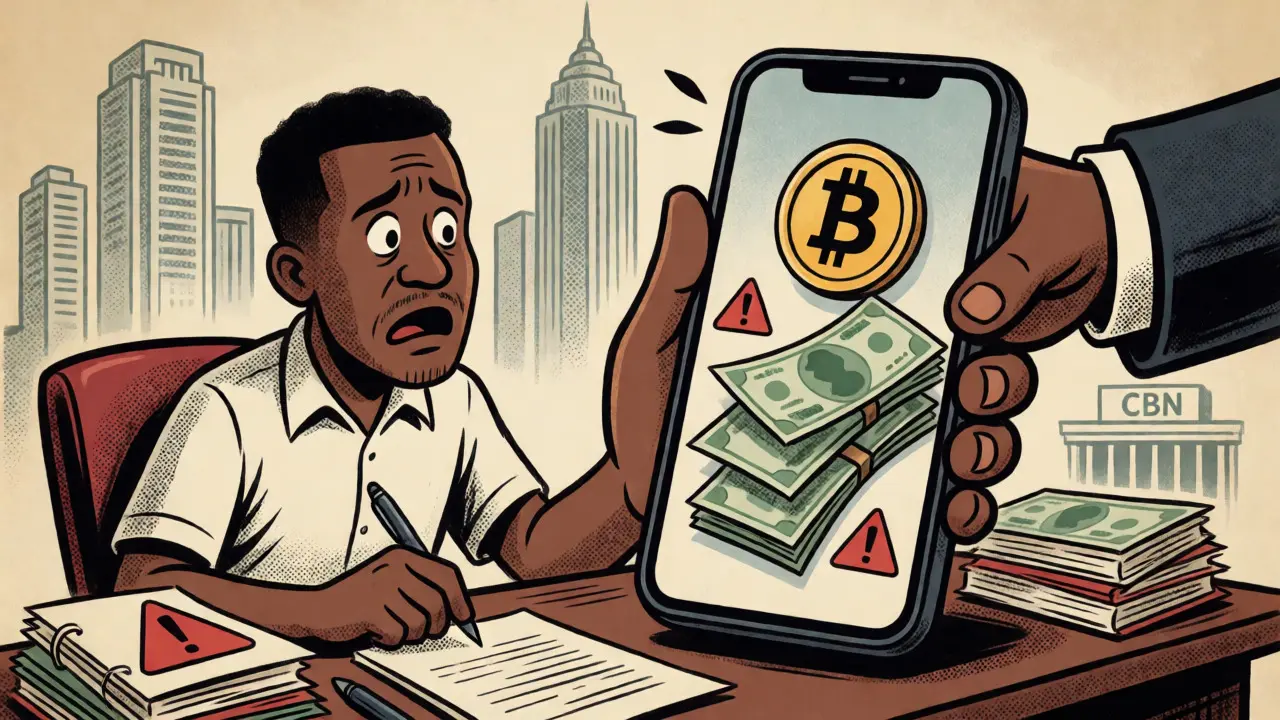
You just sold some Bitcoin on an exchange and hit "withdraw" to your Nigerian bank account. You expect the naira to hit your balance in a few hours, maybe with a small fee deducted. But instead of that smooth digital magic, you get a phone call from your bank’s compliance department asking where this money came from. Or worse, your account gets frozen for "suspicious activity." This isn't rare; it's the new normal for Nigerian crypto traders in 2026.
The relationship between Nigerian banks and cryptocurrency has shifted dramatically from total hostility to cautious cooperation. Since the Central Bank of Nigeria (CBN) lifted its ban on December 22, 2023, things have changed, but they haven't become simple. If you are moving crypto to fiat, you need to know exactly how these financial institutions react, why they freeze accounts, and how to keep your money accessible. Here is what actually happens behind the scenes when you cash out.
The Regulatory Shift: From Ban to Conditional Acceptance
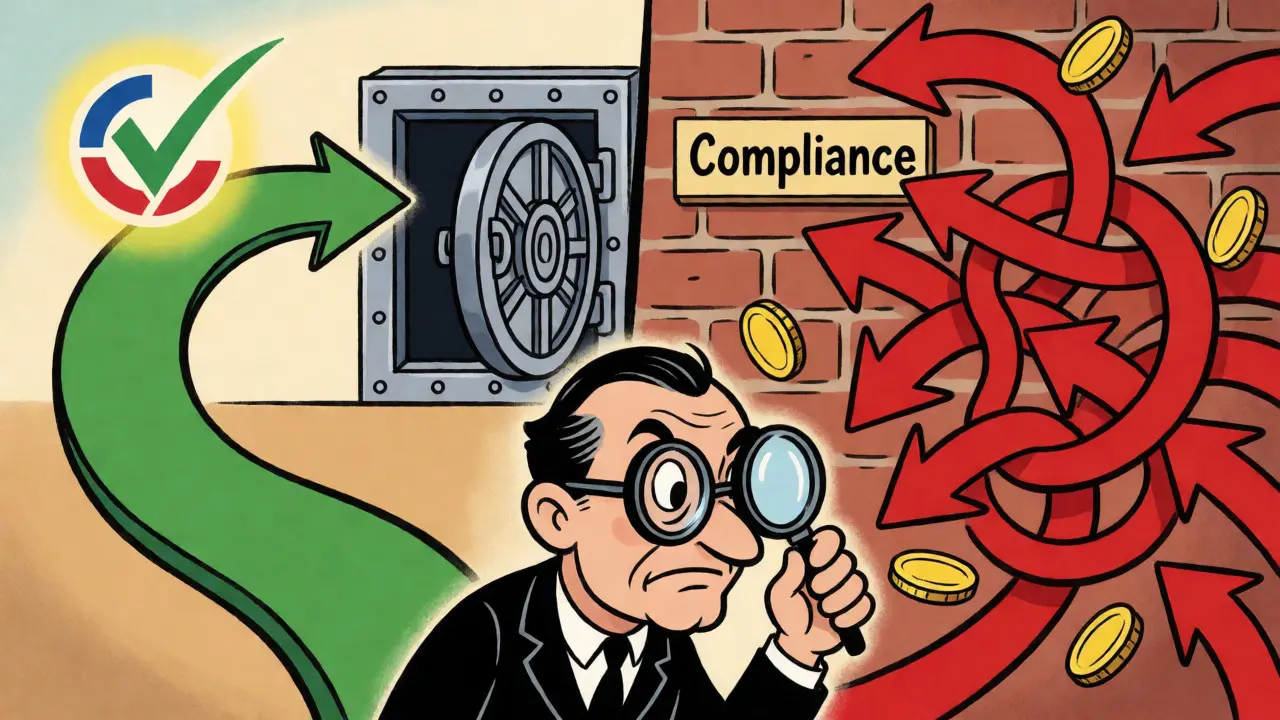
For years, Nigerian banks were forbidden from touching crypto. That era ended with the CBN's Guidelines on Operations of Bank Accounts for Virtual Asset Service Providers. These guidelines didn't just open the door; they installed a security guard at the entrance. The rules allow banks to process transactions from crypto platforms, but only if those platforms are licensed by the Securities and Exchange Commission (SEC).
This distinction is critical. If you withdraw from an SEC-licensed entity like Luno or a fully compliant local exchange, the bank treats it as a standard transfer from a registered service provider. The money flows through electronic channels, usually arriving within a few hours. However, if you use an unlicensed international platform or engage in peer-to-peer (P2P) trades without proper documentation, the bank sees red flags. They aren't being difficult for fun; they are complying with strict Anti-Money Laundering (AML) laws designed to keep Nigeria off the Financial Action Task Force (FATF) Gray List.
Why Your Account Might Get Frozen
It’s not just about whether the exchange is licensed. It’s about the pattern of your transactions. Banks use automated systems to monitor for anomalies. If you suddenly receive multiple large deposits from different individuals who all bought crypto from you, your bank might flag this as commercial trading rather than personal investment. This triggers an Enhanced Due Diligence (EDD) review.
A prime example occurred in September 2024, when the Economic and Financial Crimes Commission (EFCC) froze 22 bank accounts linked to USDT sellers on exchanges like Bybit and KuCoin. The total value was around ₦548.6 million. The EFCC alleged these users were manipulating the naira exchange rate. This wasn't random harassment; it was targeted enforcement against unverified P2P activity that looked like market manipulation.
Banks act as the first line of defense. When the EFCC or SEC suspects illicit activity, they instruct banks to freeze assets. The bank doesn't always ask questions first; they block the funds to comply with the regulatory order. Once frozen, unlocking your account requires providing extensive proof of source of funds, transaction history, and often legal representation.
Cash Withdrawals vs. Electronic Transfers
Here is a specific rule that trips up many traders: you generally cannot withdraw cash directly from a crypto-linked account at a branch counter. The CBN guidelines emphasize electronic banking channels. Most Nigerian banks prohibit cash withdrawals from accounts primarily used for crypto settlements because physical cash is harder to trace and audit.
If you try to walk into a branch and ask for ₦1 million in cash from a recent crypto sale, you will likely be told to transfer the funds to another account first or wait for the electronic settlement to clear completely. This friction is intentional. It forces transparency. Every movement of money leaves a digital trail that regulators can inspect. For the average user, this means you must rely on mobile banking apps or online transfers to move your naira, not physical tellers.
Transaction Limits and Hidden Frictions
Even with a licensed exchange, you won't enjoy unlimited freedom. Banks impose "prudent transaction limits" on crypto-related accounts. These limits are rarely published clearly. They vary by bank, account tier, and customer risk profile. One day you might withdraw ₦500,000 easily; the next, a ₦1 million withdrawal might trigger a hold.
| Source Type | Bank Reaction | Risk Level | Action Required |
|---|---|---|---|
| SEC-Licensed Exchange | Processed as standard transfer | Low | Standard KYC verification |
| Unlicensed International Platform | Held for review or rejected | Medium-High | Proof of source, possible closure |
| P2P Individual Transfer | Flagged as commercial activity | High | Documentation of trade, tax inquiry |
| Large Sudden Deposit | Temporary Freeze | High | EFCC/SEC investigation |
Fintech-oriented banks and digital-only platforms tend to be smoother here. Traditional commercial banks remain conservative. If you plan to trade frequently, consider opening accounts with multiple providers. Don't put all your liquidity in one place. If Bank A decides to exit crypto services or freezes your account pending an investigation, Bank B might still let you operate.
The Taxman Cometh: Reporting Obligations
As of 2026, taxation remains a gray area, but the pressure is mounting. The Federal Inland Revenue Service (FIRS) considers crypto gains taxable. While specific crypto tax laws are still being refined under proposed Finance Bills, banks are increasingly required to report high-volume transactions to tax authorities.
If you make frequent, large withdrawals, expect requests for documentation proving the legitimacy of your holdings. This isn't just about anti-money laundering anymore; it's about tax compliance. Keep meticulous records of every buy and sell. If the bank asks for your exchange statements, having them ready prevents delays. Ignoring these requests can lead to more severe scrutiny than the initial withdrawal itself.
Best Practices for Smooth Withdrawals
To minimize friction, follow these rules:
- Use Licensed Platforms: Stick to exchanges approved by the SEC. Check their license status before depositing significant capital.
- Maintain Consistent Patterns: Avoid sudden spikes in volume unless you can explain them. Regular, moderate withdrawals look less suspicious than erratic, massive ones.
- Keep Full KYC Updated: Ensure your bank knows your occupation and income sources match your crypto activity. If you say you're a student but withdraw ₦10 million monthly, expect questions.
- Avoid Cash-Outs: Use electronic transfers exclusively. Do not attempt to convert large crypto sums to cash via informal agents if you want to keep your bank account safe.
- Diversify Banking Relationships: Have at least two active bank accounts. If one freezes due to a compliance check, you can still access funds through the other while resolving the issue.
Nigeria's crypto banking environment is maturing. It is no longer the wild west of 2021, but it isn't fully free either. Banks are balancing regulatory compliance with customer service. They want your business, but they fear regulatory penalties more. Understanding their perspective helps you navigate the system without losing access to your hard-earned naira.
Can I withdraw crypto directly to cash at a Nigerian bank branch?
Generally, no. Most Nigerian banks prohibit direct cash withdrawals from accounts identified as crypto-linked. You must use electronic banking channels such as mobile apps, USSD, or online transfers to move the funds. Physical cash withdrawals are restricted to maintain transaction traceability and comply with CBN guidelines.
Why did my bank freeze my account after a crypto withdrawal?
Banks may freeze accounts due to suspected money laundering, market manipulation, or non-compliance with AML/KYC regulations. If you received funds from unlicensed exchanges or engaged in high-volume P2P trading without documentation, the bank may flag the activity. Additionally, the EFCC can order freezes on accounts linked to suspicious crypto activities, even if the user believes they are compliant.
Are all crypto exchanges allowed to work with Nigerian banks?
No. Only exchanges licensed by the Securities and Exchange Commission (SEC) are authorized to facilitate bank transfers under current guidelines. Using unlicensed platforms increases the risk of transaction rejection, account holds, or permanent closure. Always verify an exchange's licensing status before relying on it for fiat withdrawals.
Do Nigerian banks charge extra fees for crypto withdrawals?
Banks typically apply standard electronic transfer fees. However, some banks may impose higher charges or stricter limits on accounts classified as high-risk due to crypto activity. These fees and limits are often not publicly disclosed and can change based on internal risk assessments. Fintech banks may offer more competitive rates compared to traditional commercial banks.
How long does it take for crypto-to-fiat withdrawals to reflect?
If processed through an SEC-licensed exchange and a compliant bank, withdrawals typically reflect within a few hours. Delays can occur if the transaction triggers a compliance review, if there are technical issues with the payment gateway, or if the bank imposes temporary holds for verification. Large amounts may take longer due to enhanced due diligence checks.