
Most people skip Honeyswap is a decentralized exchange (DEX) that operates primarily on the Gnosis Chain and Polygon networks. Launched in September 2020 as a fork of Uniswap V2, it was built to solve one specific problem: high gas fees on Ethereum Mainnet. If you are looking for a platform where you can swap tokens for pennies rather than dollars, this might be your answer. But if you are expecting deep liquidity or massive trading volumes, you might be disappointed.
The core promise of Honeyswap is simple: cheap, community-driven trading. It is governed by the 1Hive DAO through the HNY token, meaning decisions about the protocol are made by its users, not a central company. However, "cheap" comes with trade-offs. The total value locked (TVL) sits around $1.04 million, which is tiny compared to giants like Uniswap. So, is it actually useful? Let's break down what you get, what you lose, and who should actually use it.
Key Takeaways
- Best For: Micro-transactions and low-cost swaps on Gnosis Chain (formerly xDai).
- Worst For: High-volume traders needing deep liquidity or tight spreads.
- Costs: Extremely low network fees; 0.30% swap fee (0.25% to LPs, 0.05% to protocol).
- Risk Level: Moderate. Audited by CertiK, but low TVL means higher slippage risk for large trades.
- Verdict: A niche tool for Gnosis ecosystem users, not a replacement for major DEXs.
What Is Honeyswap Actually?
To understand Honeyswap, you have to look at its roots. It isn't just another copy-paste of Uniswap. It was created by the 1Hive community specifically to leverage the Gnosis Chain. Gnosis Chain is an EVM-compatible sidechain known for fast transactions and negligible gas costs. By moving trading activity here, Honeyswap allows users to execute dozens of small trades without worrying about the cost of each one.
The platform uses a dual-token incentive model. You will see two main tokens involved:
- Honey (HNY): The global governance token. It represents the broader 1Hive ecosystem and is used for cross-chain incentives.
- Comb (COMB): The local utility token. It rewards farmers based on transaction volume on specific chains (like Gnosis or Polygon).
Fees, Liquidity, and Real-World Costs
Let’s talk numbers, because that’s why most people check out Honeyswap. The standard swap fee is 0.30%. Here is how that breaks down:
- 0.25% goes to Liquidity Providers (LPs).
- 0.05% goes to the protocol fund.
But what about the actual cost of using the site? On Ethereum Mainnet, a simple swap might cost $5-$20 in gas fees depending on congestion. On Honeyswap via Gnosis Chain, that same action typically costs less than $0.01. This makes it ideal for frequent, small trades. However, liquidity is thin. As of 2025 data, the average bid-ask spread is around 0.662%. If you try to move more than $5,000 in a single trade, expect slippage above 2%. For casual traders swapping hundreds of dollars, this is usually manageable. For whales, it’s a dealbreaker.
| Feature | Honeyswap | Uniswap (Mainnet) | SushiSwap |
|---|---|---|---|
| Primary Network | Gnosis Chain, Polygon | Ethereum, Arbitrum, Optimism | Multichain (Ethereum, BSC, etc.) |
| Avg. Gas Fee | < $0.01 | $2 - $20+ | Varies ($0.05 - $5) |
| Total Value Locked (TVL) | ~$1.04M | $10B+ | $2B+ |
| Swap Fee | 0.30% | 0.30% | 0.30% |
| KYC Required | No | No | No |
| Security Audit | CertiK | Multiple (Trail of Bits, etc.) | Multiple |
User Experience: Simple Interface, Complex Setup
If you’ve used Uniswap, Honeyswap will feel familiar. The interface is clean, dark-mode friendly, and straightforward. You connect your wallet, select the token pair, and hit swap. There’s no clutter, no ads, and no unnecessary features. That’s a good thing.
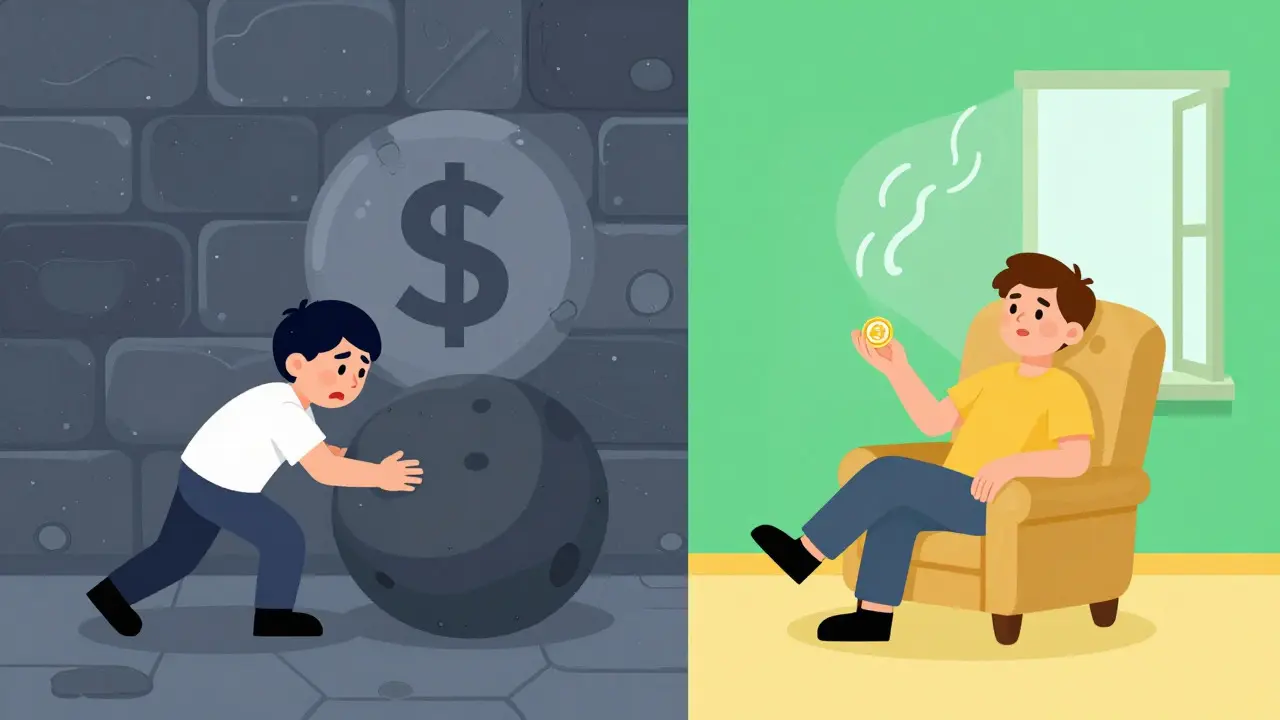
The friction point? Getting started. You need a wallet compatible with Gnosis Chain. MetaMask works, but you have to manually add the Gnosis Chain network parameters if they aren’t pre-installed. Next, you need assets on that chain. If you’re holding tokens on Ethereum Mainnet, you must bridge them first using the official Gnosis Bridge or third-party bridges like OmniBridge. This process takes time and requires patience. Many new users get stuck here, confusing network errors with platform bugs.
Once you’re in, the experience is smooth. The "Honeycomb" asset manager helps you track your positions across different farms, which is handy if you’re providing liquidity in multiple pools. Support is community-based, mostly via Discord and forums. Don’t expect instant customer service. Response times can range from 12 to 24 hours, which is typical for DeFi projects but slower than centralized exchanges.
Security and Trust: Can You Rely on It?
In DeFi, security is everything. Honeyswap has been audited by CertiK, a reputable blockchain audit firm. This gives a baseline level of confidence that the smart contracts don’t have obvious, exploitable bugs. Since its launch in 2020, it hasn’t suffered any major protocol-level hacks, which is a strong signal.
However, trust isn’t just about audits. It’s about transparency and governance. Because Honeyswap is run by the 1Hive DAO, all significant changes are proposed and voted on by HNY holders. This reduces the risk of rug pulls by central teams but can slow down development. Users praise the transparency but sometimes complain that feature updates take longer than on commercially backed competitors.
One risk to watch: low TVL. With only ~$1 million in liquidity, the protocol is vulnerable to volatility. If a large trader dumps an asset, the price impact could be severe. Always check the pool depth before executing large orders. Use limit orders if available, or split large trades into smaller chunks to minimize slippage.

Who Should Use Honeyswap (And Who Shouldn’t)?
Honeyswap isn’t for everyone. It’s a specialized tool, not a general-purpose exchange. Here’s a quick guide:
You should use Honeyswap if:
- You already hold assets on Gnosis Chain or Polygon.
- You make frequent, small trades where gas fees would eat up your profit margin.
- You want to participate in 1Hive-specific DeFi opportunities (farming COMB/HNY).
- You value non-custodial control and don’t mind managing multiple networks.
You should avoid Honeyswap if:
- You are a beginner who wants a one-click experience without bridging.
- You plan to trade large sums (> $10,000) regularly.
- You need access to hundreds of exotic tokens (Honeyswap supports ~26 coins and 40 pairs).
- You prefer instant customer support and fiat on-ramps.
Future Outlook: Will It Survive?
The future of Honeyswap depends heavily on the adoption of Gnosis Chain. As Ethereum Layer 2 solutions like Arbitrum and Optimism mature, some argue that dedicated sidechains like Gnosis may become less relevant. However, Consensys projects 15-25% annual growth for sidechain DEXs if L2s continue to expand. Honeyswap plans to integrate with more EVM chains, including potential expansion to Arbitrum, which could broaden its user base.
The main challenge is revenue. With only ~$20,000 in annual protocol fees, funding long-term development is difficult. Messari’s 2025 outlook notes that smaller DEXs need to increase revenue 10-20x to sustain professional teams. If Honeyswap can’t grow its volume, it risks becoming stagnant. But if Gnosis Chain finds a niche in enterprise or micro-payment applications, Honeyswap could thrive as the default gateway for those use cases.
How to Get Started: Step-by-Step Guide
If you decide to give Honeyswap a try, here’s the safest way to do it:
- Set Up Your Wallet: Install MetaMask or another EVM-compatible wallet. Add the Gnosis Chain network manually if needed (RPC URL: https://rpc.gnosischain.com).
- Get GNO/xDAI: You need native gas tokens for the Gnosis Chain. You can buy XDAI on a CEX or bridge ETH from Ethereum Mainnet using the official Gnosis Bridge.
- Bridge Your Assets: Transfer the tokens you want to trade from Ethereum Mainnet to Gnosis Chain. Wait for confirmation (usually under 1 minute).
- Connect to Honeyswap: Go to the Honeyswap website, click "Connect Wallet," and select your wallet.
- Check Liquidity: Before swapping, look at the pool size. Avoid pools with less than $10,000 in TVL for larger trades.
- Execute Trade: Select your input and output tokens. Set your slippage tolerance (1-2% is standard). Confirm the transaction in your wallet.
Pro Tip: Keep a small amount of XDAI in your wallet for gas fees. Running out of gas mid-transaction can lock your funds temporarily.
Is Honeyswap safe to use?
Yes, relatively. It has been audited by CertiK and has operated since 2020 without major exploits. However, always verify the official URL to avoid phishing sites, and start with small amounts to test the waters.
What is the difference between HNY and COMB tokens?
HNY (Honey) is the global governance token for the entire 1Hive ecosystem. COMB is a local token used for farming rewards on specific chains like Gnosis. You can farm COMB on Honeyswap, but HNY is used for voting on protocol changes.
Can I trade Bitcoin on Honeyswap?
Not natively. You can trade wrapped versions of Bitcoin (like WBTC) if there is sufficient liquidity in the pools. However, the selection is limited compared to centralized exchanges.
Why are my transactions so slow?
Gnosis Chain transactions are usually fast (under 5 seconds). If yours are slow, check if you’re on the correct network in your wallet. Also, bridging assets between Ethereum and Gnosis can take a few minutes due to finality requirements.
Does Honeyswap require KYC?
No. As a decentralized exchange, it is permissionless. You only need a crypto wallet to trade. No ID verification or email registration is required.