
State channels aren’t flashy. They don’t have token launches, influencer hype, or viral memes. But if you’ve ever sent a coffee payment in seconds for less than a penny, or played a blockchain game without waiting minutes for confirmation, you’ve used one. The future of state channels isn’t about replacing blockchains - it’s about making them work the way they were meant to: fast, cheap, and reliable for everyday use.
What State Channels Actually Do
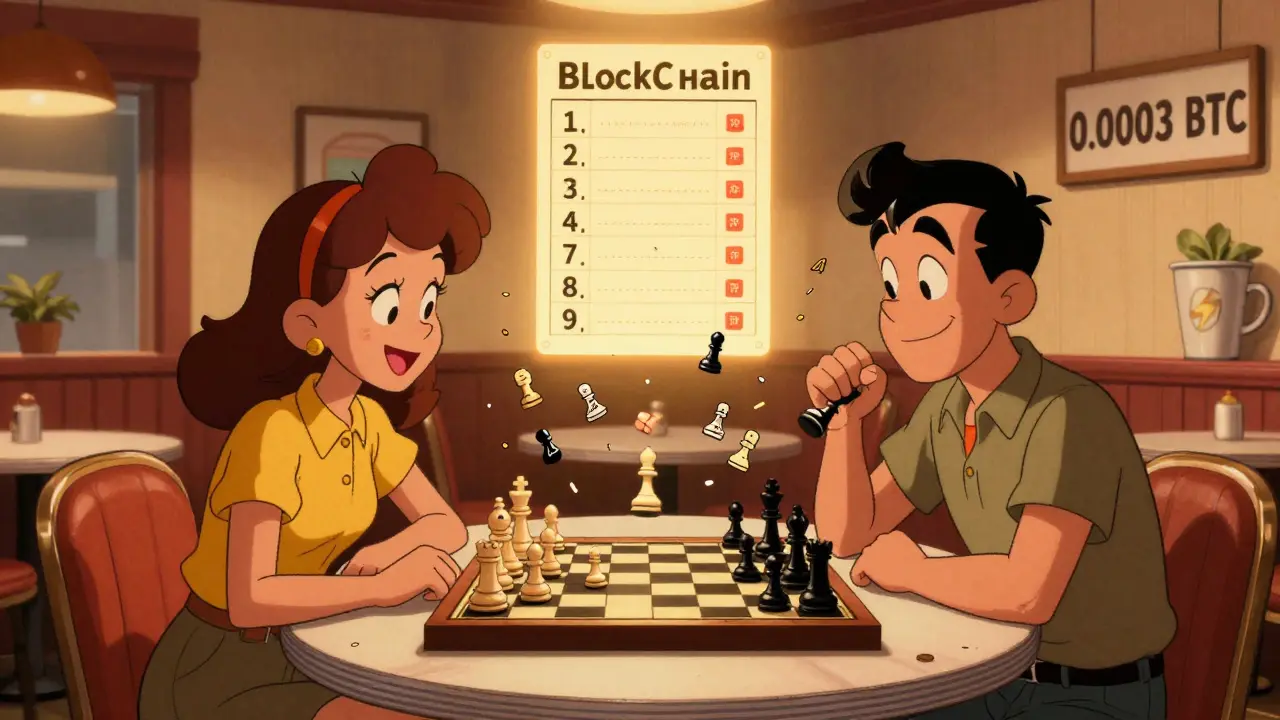
Imagine two people playing a game of chess. Every move they make is valid, but they don’t need to tell the whole world about each move. They just keep track of the board between themselves. When they’re done, they sign one final state - the end result - and submit it to a notary (the blockchain). That’s a state channel.
On blockchain, this means two or more parties lock up funds in a smart contract. Then they exchange signed updates off-chain - hundreds or thousands of them - without touching the main chain. Only the opening and closing states get recorded. This cuts fees from dollars to fractions of a cent and settles transactions instantly.
The Lightning Network on Bitcoin is the most famous example. As of late 2023, it handles over 4,200 transactions per second across 58,000 nodes, with cumulative volume over $200 million. Fees average $0.0003. Compare that to Ethereum’s mainnet, where a simple transfer can cost $1.50. State channels aren’t just faster - they’re orders of magnitude cheaper.
Why They’re Still Niche
Despite the numbers, most people still don’t use state channels. Why?
First, you need to be online. If you’re sending money through a Lightning channel and you go offline, someone else could try to cheat by broadcasting an old state. To prevent this, you need a watchtower - a third party that monitors the channel for you. Most users don’t run these. They rely on services, which adds centralization risk.
Second, you need to lock up capital. To open a channel, you have to put money in. That money sits idle. If you want to send $10, you might need to lock $20 - or more - depending on network routing. This is called capital inefficiency. A rollup like Optimism can process the same volume with far less locked-up cash.
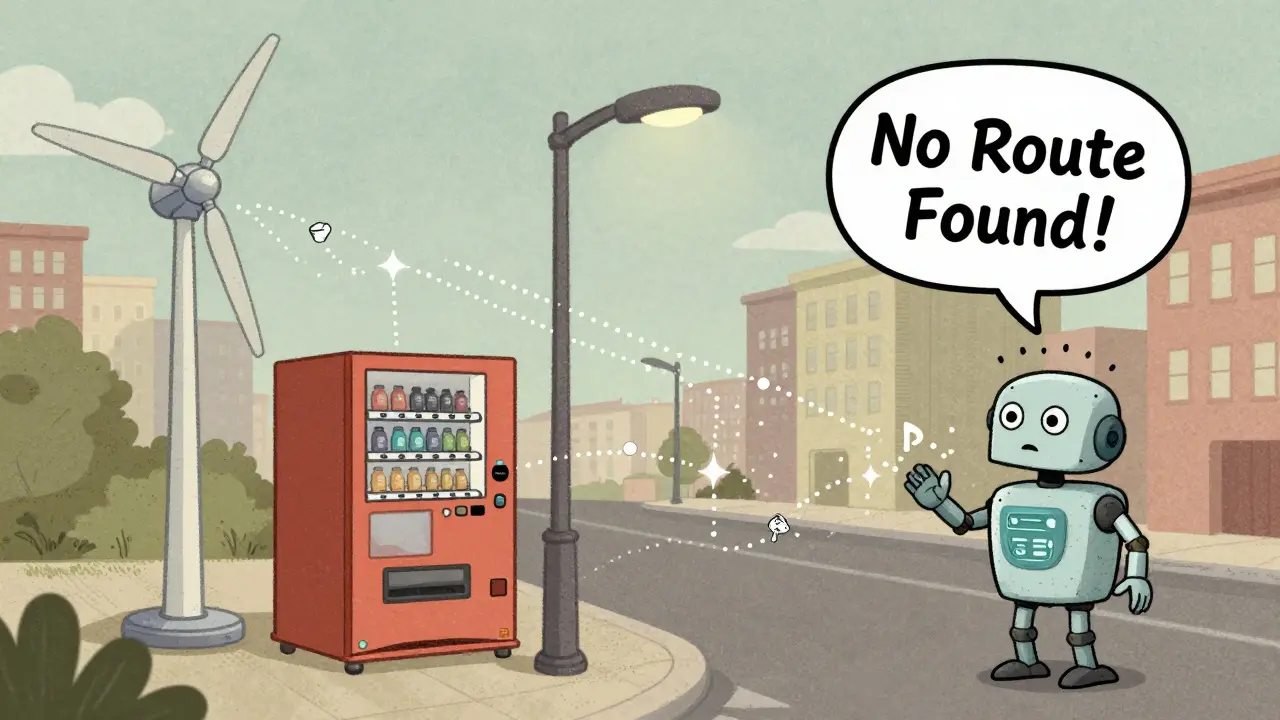
Third, routing is messy. If you’re sending money to someone you’re not directly connected to, the payment has to hop through other channels. Right now, about 32% of multi-hop Lightning payments fail because one link in the chain is out of funds. That’s why you sometimes get a ‘no route found’ error - even if the recipient is online and has money.
These aren’t theoretical problems. A 2023 survey of 1,247 Lightning users found 62% had at least one failed payment in the past month. Businesses like Bitrefill, which processes half a billion dollars a year through Lightning, say managing hundreds of channels requires three full-time engineers.
What’s Changing - And Fast
The next wave of state channels isn’t about bigger networks. It’s about smarter ones.
Lightning Network v2, expected by late 2024, introduces splicing. This lets you add or remove funds from a channel without closing it. No more locking up $100 just to send $5. You can top up on demand. That cuts capital waste by up to 70%.
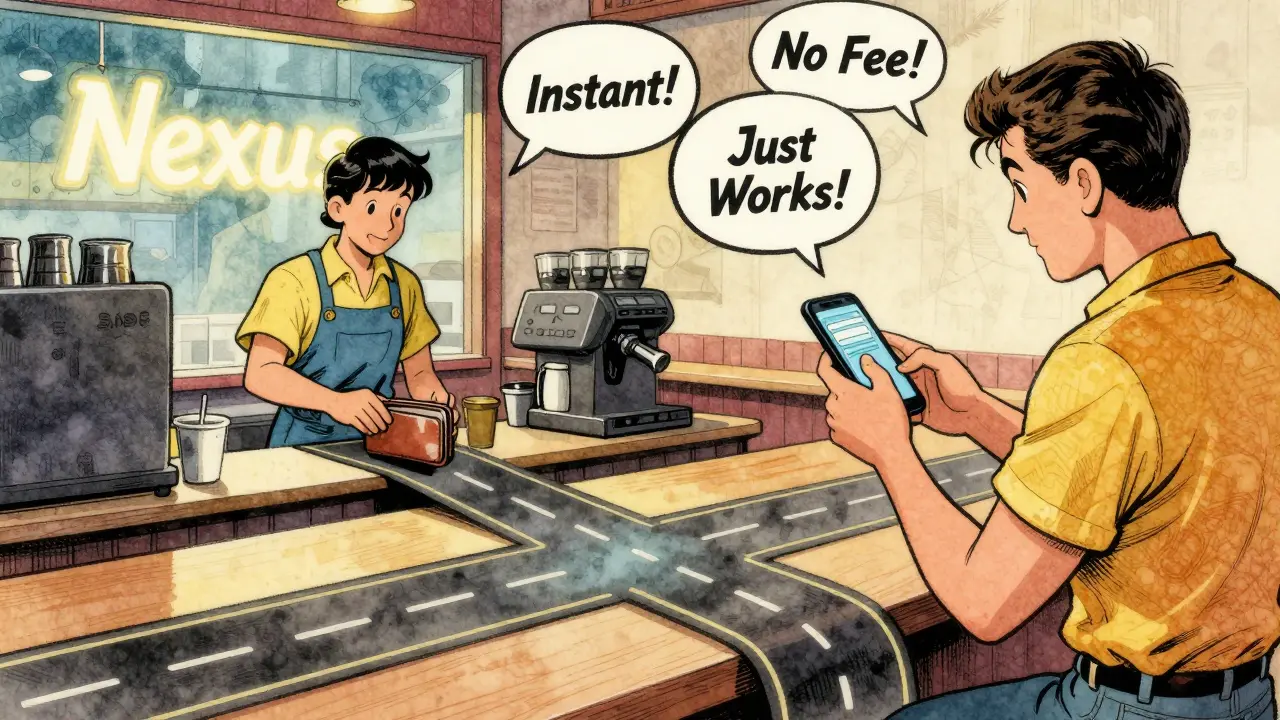
Then there’s multi-path payments v2. Instead of one route, your payment gets split across five or ten paths. If one link fails, the rest still go through. This could push payment success rates from 68% to over 95%. That’s the difference between ‘sometimes works’ and ‘just works’.
On Ethereum, projects like Arbitrum are building Nexus - a state channel network designed to connect rollups. Right now, if you want to move an NFT from one rollup to another, you go through the main chain. Nexus lets you do it off-chain, in seconds. It’s like building highways between cities instead of forcing everyone to drive through the capital.
Aeternity’s state channel factories and hubs are another leap. Factories let you create channels with near-zero on-chain cost. Hubs let you borrow liquidity from others - like a peer-to-peer bank for channels. You don’t lock up your own cash. You pay a small fee to use someone else’s. This could make state channels usable for IoT devices, sensors, or vending machines that can’t hold crypto.
Where They’re Already Winning
State channels aren’t trying to do everything. They’re winning where speed and cost matter more than openness.
Micropayments: 98% of Bitcoin transactions under $10 happen on Lightning. Coffee shops, news sites, and tip jars use it because users won’t pay $1 to send $0.50.
Gaming: Gods Unchained and Immutable X use state channels for in-game trades. Settlements take under 500ms. Players don’t wait. They don’t pay fees. Retention is 40% higher than on-chain alternatives.
IoT and machine payments: In a 2023 pilot, Siemens and Elblox used state channels to settle energy grid balancing transactions - 2.1 million per month. Sensors in wind turbines paid each other for excess power. No human approval. No blockchain bloat.
Telecom billing: Telefónica and Ripple process 500,000 micropayments daily for data usage. You use 10MB? You pay 0.0002 ETH. Automatically. Instantly.
These aren’t experiments. They’re live, scaling, and profitable.
The Big Hurdle: UX and Liquidity
Most users don’t care about cryptographic signatures or watchtowers. They care if it works when they tap their phone.
Right now, setting up a Lightning channel still takes 5-10 minutes. You need to pick a liquidity provider. You need to understand inbound vs outbound capacity. Most wallets hide this - but poorly. The result? Confusion. Abandonment.
The solution isn’t more tech. It’s better design. Imagine your wallet auto-funds channels based on your spending habits. Or your phone connects to a local hub when you walk into a café - no setup needed. That’s the future.
Liquidity discovery is the silent bottleneck. Right now, routing adds 150-300ms to every payment because the network has to search for paths. New algorithms using AI to predict liquidity flow - like those from MIT’s Digital Currency Initiative - could cut that to under 50ms. That’s the difference between feeling instant and feeling ‘fast enough’.
What About Rollups? Are State Channels Obsolete?
Rollups - especially ZK rollups like StarkNet - are scaling Ethereum with 9,000+ TPS. They’re trustless, composable, and support smart contracts. So why not just use them?
Because rollups still rely on the main chain for finality. Even ZK rollups take minutes to settle. State channels settle instantly. Rollups are great for DeFi. State channels are great for interactions - payments, gaming, IoT, real-time services.
Vitalik Buterin put it plainly in early 2023: ‘State channels remain essential for specific high-frequency interaction patterns.’ They’re not competitors. They’re complements.
Think of it like roads and railways. Rollups are highways - big, efficient, for long hauls. State channels are local streets - slow for cross-country, but perfect for getting from your house to the store.
The Road Ahead
By 2025, state channels could handle 25-30% of all Layer 2 transactions, according to Galaxy Digital. That’s up from 18% in 2023.
Why the growth? Three things:
- Capital efficiency is improving with hubs and splicing.
- Routing is getting smarter with multi-path payments.
- Use cases are expanding beyond Bitcoin - into gaming, IoT, and enterprise.
But adoption hinges on one thing: making it invisible. No more channel management. No more liquidity warnings. Just tap and pay.
The next five years won’t be about state channels becoming the main chain. They’ll become the invisible layer beneath every fast, cheap interaction on blockchain - the quiet engine powering the real-world use cases everyone else is ignoring.
Will You Use Them?
If you’re a developer, start experimenting with LDK or Elixir’s Phoenix channels. If you’re a user, try sending a $0.50 tip on Lightning. If you’re a business, test micropayments for digital content or machine services.
The future of state channels isn’t about being the biggest. It’s about being the most useful. And right now, no other scaling solution does that better for daily, high-frequency use.
Are state channels secure?
Yes, if used correctly. State channels inherit security from the underlying blockchain. Funds are locked in a multi-signature contract, and any attempt to cheat by broadcasting an old state can be punished with a penalty. Watchtowers help monitor for fraud, but even without them, the protocol’s cryptographic design makes cheating costly and detectable.
Can I use state channels without running a node?
Absolutely. Most users interact with state channels through wallets like Phoenix, Muun, or BlueWallet. These apps handle the node and channel management for you. You just send and receive payments. You don’t need to understand the technical details.
Why aren’t state channels used for DeFi?
State channels are designed for direct, two-party interactions. DeFi needs open access - anyone should be able to swap, lend, or stake at any time. Rollups and sidechains support that. State channels don’t. You can’t join a liquidity pool through a Lightning channel. That’s why DeFi stays on rollups.
Do state channels work across blockchains?
Not natively - yet. Bitcoin’s Lightning and Ethereum’s Raiden are separate networks. But cross-chain atomic swaps are being tested. Projects like Aeternity and LayerZero are building bridges that allow state channel payments to move between chains without custodians. This is still experimental, but it’s the next frontier.
Is the Lightning Network the only state channel?
No. Lightning is the most popular, but state channels exist on Ethereum (Raiden), Aeternity, and even Polkadot. Each has different trade-offs. Lightning is optimized for Bitcoin’s security model. Raiden was built for Ethereum’s smart contracts. Aeternity focuses on low-cost, high-speed channels for IoT. The technology is universal - the implementations vary.
What’s the biggest threat to state channels?
Complacency. If developers and users keep treating state channels as a niche tool for Bitcoin fans, they’ll never reach their potential. The real threat isn’t competition from rollups - it’s failing to solve UX problems like liquidity discovery, channel management, and routing speed. Fix those, and state channels become as common as credit cards.
Andy Reynolds
December 30, 2025 AT 20:52Alex Strachan
December 31, 2025 AT 12:05Andrea Stewart
December 31, 2025 AT 19:47Willis Shane
January 2, 2026 AT 17:58Brooklyn Servin
January 3, 2026 AT 06:40SUMIT RAI
January 4, 2026 AT 21:29Mike Reynolds
January 6, 2026 AT 02:19Prateek Chitransh
January 6, 2026 AT 18:05Alison Hall
January 7, 2026 AT 17:09christopher charles
January 9, 2026 AT 10:58Antonio Snoddy
January 9, 2026 AT 23:03dayna prest
January 11, 2026 AT 08:27Ian Koerich Maciel
January 13, 2026 AT 03:48Gavin Hill
January 13, 2026 AT 06:15Brandon Woodard
January 14, 2026 AT 02:56Vernon Hughes
January 14, 2026 AT 09:47Michelle Slayden
January 14, 2026 AT 18:23Amy Garrett
January 15, 2026 AT 22:26Haritha Kusal
January 15, 2026 AT 22:49dina amanda
January 17, 2026 AT 15:54Jake West
January 18, 2026 AT 13:26Emily L
January 19, 2026 AT 11:01Monty Burn
January 20, 2026 AT 07:47Brandon Woodard
January 22, 2026 AT 07:01