
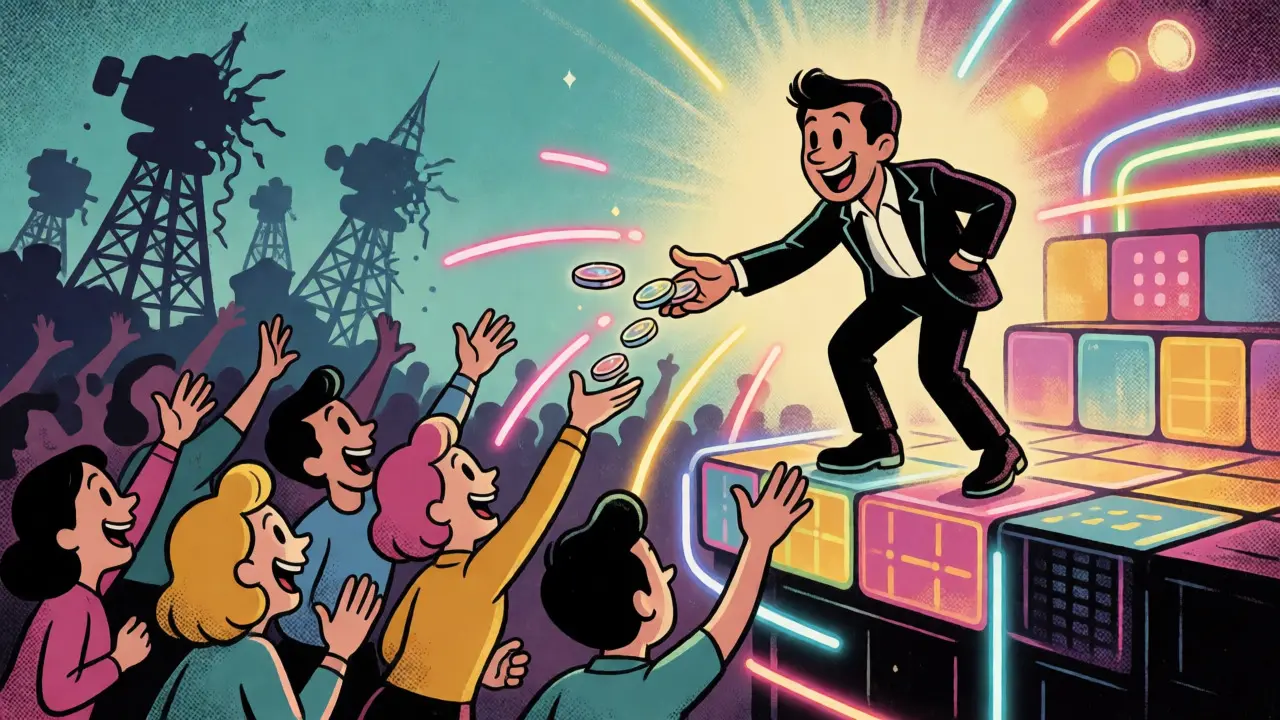
Imagine buying a tiny slice of your favorite musician’s future success. Not just buying their album, but holding a stake that grows as they do. This isn’t science fiction; it’s the core promise of Creator Social Tokens. These digital assets are quietly reshaping how we think about fame, fandom, and finance. By September 2026, the hype has settled into something more tangible: a working infrastructure for direct creator-fan economies.
If you’ve ever felt frustrated by platforms taking a 30% cut of your hard-earned tips, or watched an influencer vanish overnight leaving fans with nothing, you’re part of the problem these tokens solve. They bypass the middlemen. They turn passive likes into active ownership. But are they actually viable long-term investments, or just another crypto bubble waiting to burst? Let’s look at where this technology stands today and where it’s heading.
What Exactly Are Creator Social Tokens?
At their simplest, social tokens are fungible digital assets issued by individuals-creators, artists, influencers-to represent their personal brand or community. Unlike NFTs, which prove unique ownership of one item, social tokens are interchangeable units of value tied to the creator’s reputation and engagement. Think of them less like stocks and more like dynamic membership cards that appreciate if the community thrives.
The mechanism is straightforward but powerful. A creator launches a token on a blockchain network. Fans buy these tokens using stablecoins or other cryptocurrencies. As the creator gains followers, releases new content, or hits milestones, demand for the token often rises, pushing its price up. The creator benefits from initial sales and potential appreciation, while early supporters gain financial upside alongside exclusive access.
This model shifts power dynamics. Traditional platforms control visibility and monetization terms. With social tokens, the relationship becomes peer-to-peer. The creator owns the audience relationship directly. If the platform changes its algorithm tomorrow, the token holder still holds value in the community itself, not just in the app’s interface.
Why Platforms Can’t Kill This Trend
You might wonder why big tech hasn’t crushed this yet. The answer lies in alignment. For years, creators have been tenants on rented land. YouTube, Instagram, and TikTok own the data, the audience, and the revenue streams. When ad rates drop or algorithms shift, creators suffer immediately.
Social tokens offer an exit ramp. Venture capital firm Andreessen Horowitz (a16z) has consistently highlighted this shift, arguing that blockchain creates a "universal library" where creators retain ownership. It’s not just about money; it’s about resilience. When a creator issues a token, they’re essentially selling a piece of their future labor and influence. This creates a virtuous cycle: fans who hold tokens become evangelists because their financial health is tied to the creator’s success.
| Feature | Traditional Platform Model | Creator Social Token Model |
|---|---|---|
| Revenue Share | Platform takes 30-50% | Creator keeps majority; fees go to protocol |
| Audience Ownership | Platform owns user data | Community owns shared ledger |
| Fan Incentive | Passive consumption | Active participation + financial upside |
| Liquidity | Low (hard to cash out influence) | High (tradeable on exchanges) |
Real-World Applications Beyond Hype
So, what are people actually doing with these tokens? It’s not just speculation. We see three main use cases emerging clearly in 2026.
- Exclusive Access & Utility: Musicians like Grimes pioneered this, but now it’s standard. Holding a token might get you into a private Discord, early ticket sales, or voting rights on setlists. It’s a loyalty program with teeth.
- Governance: Some creators let token holders vote on business decisions. Should they tour Europe or Asia? Which collaboration should they pursue? This turns fans into stakeholders.
- Brand Partnerships: Brands are starting to issue tokens themselves or partner with creators. Instead of paying for a shoutout, they might sponsor a token pool, rewarding users who engage with specific campaigns. It aligns marketing spend with actual community growth.
We also see the rise of Decentralized Social Media (DeSoc) platforms. Zora Network, for instance, blends social feeds with native token creation. It’s not just a place to post; it’s a marketplace where every interaction can be monetized. This reduces friction significantly compared to the early days when you needed technical skills to launch a token.
Institutional Money Enters the Chat
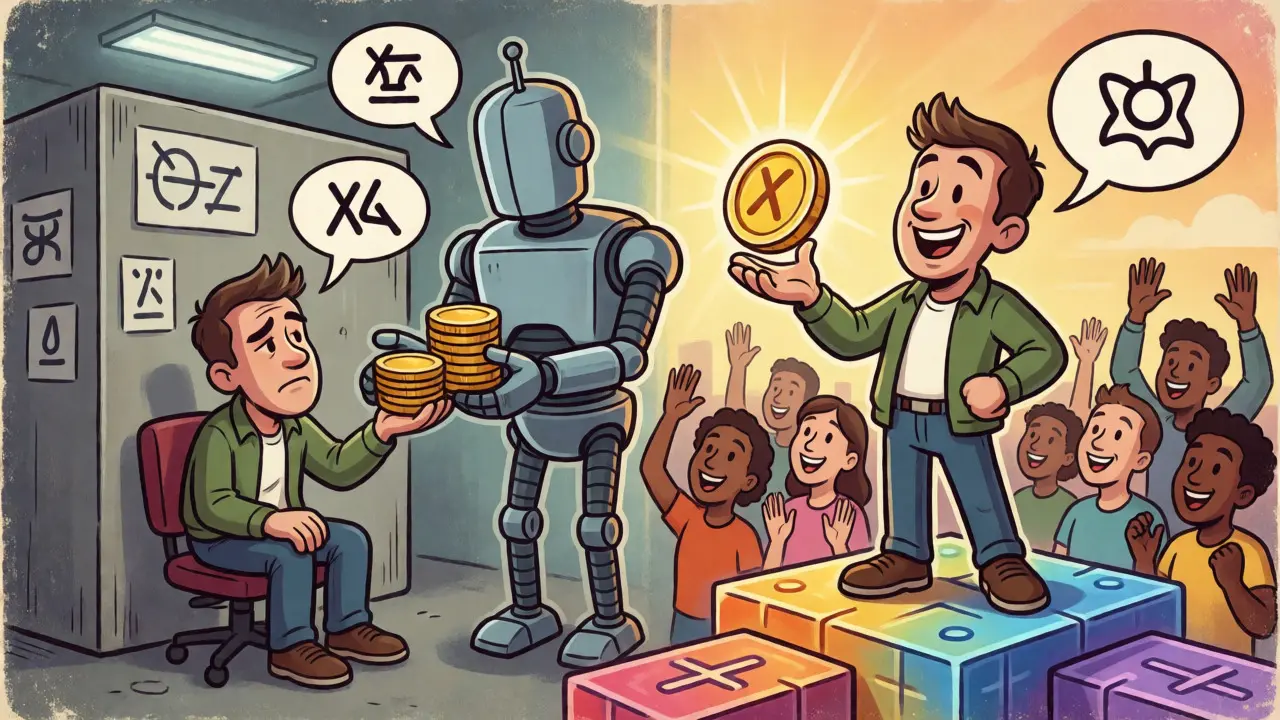
Early adopters were crypto natives. Today, institutional players are entering. Capital Trust Group Limited, for example, launched initiatives funding digital bond licenses for YouTube creators. This isn’t just retail investors gambling on memes; it’s structured finance backing creator income streams.
This matters because volatility scares off mainstream users. Institutional capital brings stability and liquidity. It signals that creator tokens are being viewed as legitimate alternative assets, similar to venture capital stakes in startups. If you’re a creator wondering if this is sustainable, the entry of traditional finance suggests yes. They don’t bet on fads; they bet on scalable models.
The Challenges: Regulation and Volatility
It’s not all smooth sailing. Two major hurdles remain: regulation and market psychology.
Regulatory uncertainty is real. Is a social token a security? If so, issuing it requires compliance with strict securities laws. In the US, the SEC has been aggressive, though recent guidance has softened slightly for utility-focused tokens. Creators must navigate this carefully. Launching a token without legal counsel is risky.
Then there’s volatility. Crypto markets swing wildly. A creator’s token price might crash during a bear market, even if their popularity remains high. This disconnect between fundamental value (audience size) and market price (speculation) frustrates both fans and creators. Solutions are emerging, such as automated market makers (AMMs) that stabilize prices based on engagement metrics rather than pure trading volume.
How to Get Started (or Invest) Safely
If you’re a creator looking to tokenize, or a fan wanting to invest, here’s a practical checklist:
- Assess Community Strength: Do you have engaged fans, or just passive viewers? Tokens thrive on active communities.
- Choose the Right Platform: Look for user-friendly interfaces like Zora or specialized tools that handle smart contracts for you. Avoid complex manual deployments unless you’re a developer.
- Define Utility First: What does the token actually do? Exclusive content? Voting? Merch discounts? Utility drives long-term value better than speculation.
- Diversify Your Income: Don’t rely solely on token sales. Keep traditional revenue streams active while experimenting with tokens.
- Watch Regulatory News: Stay updated on local laws regarding digital assets. What’s legal in Australia might differ from the US or EU.
For investors, treat social tokens like venture bets. High risk, high reward. Only invest what you can afford to lose. Look for creators with consistent output and growing engagement, not just viral moments.
The Road Ahead: 2027 and Beyond
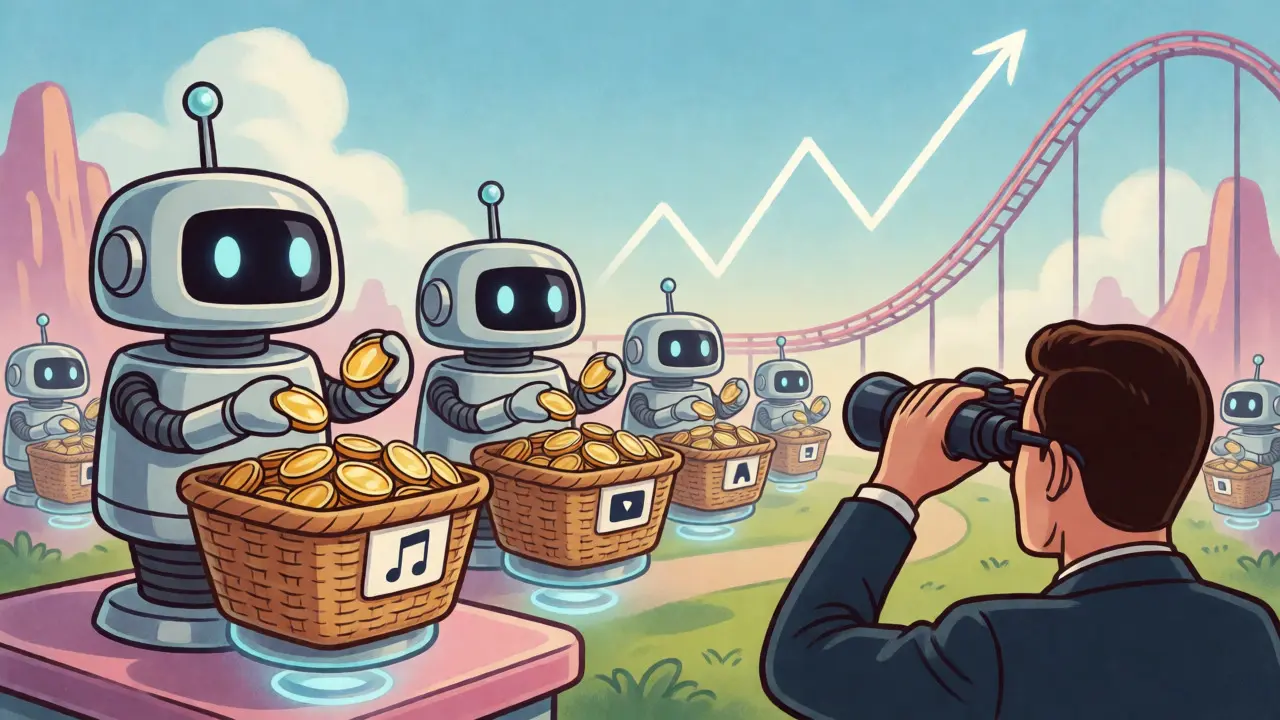
By 2030, experts predict social tokens will move from niche experiments to foundational infrastructure. We’ll likely see "Social Token 2.0," where personal brands are fully tradeable assets. Imagine buying a basket of tokens representing top creators in different niches, similar to an ETF.
Integration with AI is also on the horizon. AI agents could manage token portfolios, automatically buying undervalued creator tokens based on sentiment analysis. This automation lowers barriers for non-crypto-native users.
The future isn’t about replacing platforms entirely. It’s about adding a layer of ownership. You’ll still watch videos on YouTube, but you might hold tokens that give you a say in how those videos are made. The power balance shifts from the platform to the people.
Are creator social tokens the same as NFTs?
No. NFTs (Non-Fungible Tokens) represent unique items, like a specific piece of art or a collectible card. Each NFT is distinct. Social tokens are fungible, meaning each unit is identical to another, like currency. Their value comes from the collective support of the community, not uniqueness.
Do I need to know coding to launch a social token?
Not anymore. Early on, you needed Solidity knowledge to write smart contracts. Today, no-code platforms allow creators to launch tokens via simple dashboards. You connect your wallet, set supply parameters, and deploy. The technical complexity is abstracted away.
Is investing in creator tokens risky?
Yes, highly risky. Prices are driven by sentiment and speculation, which can be volatile. If a creator stops producing content or loses relevance, the token value can plummet. Always diversify and never invest money you cannot afford to lose.
Can social tokens be used for governance?
Absolutely. Many projects use tokens for DAO (Decentralized Autonomous Organization) style voting. Holders can vote on content directions, charity donations, or product launches. This gives fans a direct voice in the creator’s career trajectory.
What happens if the creator quits?
This is a key risk. If a creator abandons their project, the token may lose utility and value. However, some protocols allow for community takeovers or burn mechanisms where remaining funds are returned to holders. Smart contract terms vary, so always read the whitepaper.