
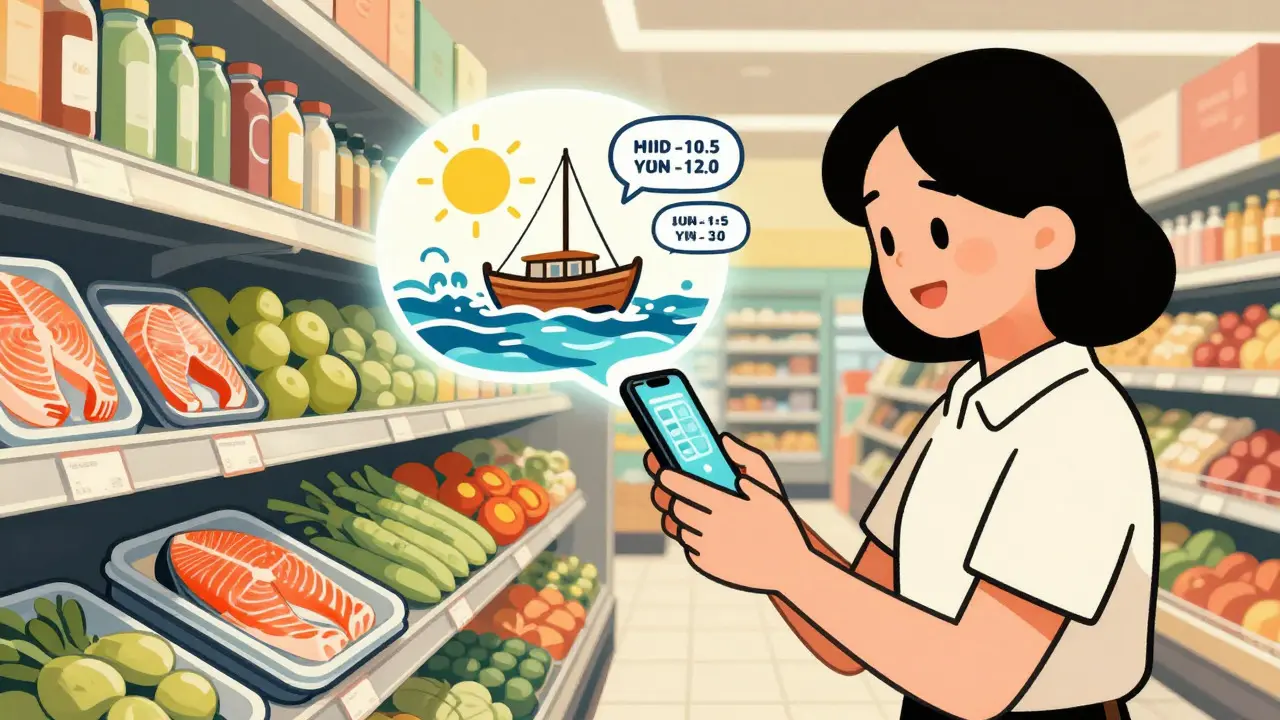
Imagine scanning a piece of salmon and instantly seeing the exact boat that caught it, the water temperature at the time, and the specific date it was processed. That is no longer science fiction; it is becoming reality through food traceability powered by non-fungible tokens (NFTs). While most people associate NFTs with digital art or crypto collectibles, their application in the food industry is quietly solving one of the sector's biggest headaches: proving where your food actually comes from.
The global food industry loses roughly $40 billion annually to fraud, according to the Grocery Manufacturers Association. From mislabeled seafood to organic produce that isn't organic, consumers are often left guessing. Traditional barcodes tell you what a product is, but they rarely tell you its full journey. NFTs change this by creating a unique, immutable digital identity for individual items, not just batches. This shift promises to cut recall times from days to seconds and give shoppers unprecedented confidence in what they are buying.
How NFTs Work in Food Supply Chains
To understand how this works, you have to look past the hype. In this context, an NFT is not a speculative asset but a digital certificate of authenticity linked to a physical object. When a farmer harvests vegetables or a fisherman catches tuna, IoT sensors like RFID tags or QR codes capture data about that specific item. This data is then hashed and stored on a blockchain platform, such as Ethereum or Hyperledger Fabric, using standards like ERC-721. Each token represents a unique record that cannot be altered without leaving a trace.
This setup creates a transparent ledger that every participant in the supply chain can access. Unlike traditional databases where a single company controls the data, blockchain ensures that once information is recorded, it is shared across manufacturers, distributors, retailers, and even consumers. The technology integrates with existing tools like NFC chips, which operate at 13.56 MHz, and passive RFID tags that can be read from up to 15 meters away. By linking these physical identifiers to digital tokens, companies create a seamless bridge between the real world and the digital record.
| Feature | Traditional Barcode/RFID | NFT-Based System |
|---|---|---|
| Tracking Level | Batch or pallet level | Individual item level |
| Data Immutability | Centralized database (editable) | Distributed ledger (immutable) |
| Recall Speed | 7+ days average | Seconds (e.g., 0.8s in pilots) |
| Consumer Transparency | Limited to label info | Full provenance history |
| Implementation Cost | Low to moderate | High ($50k-$500k per line) |
Why Companies Are Making the Switch
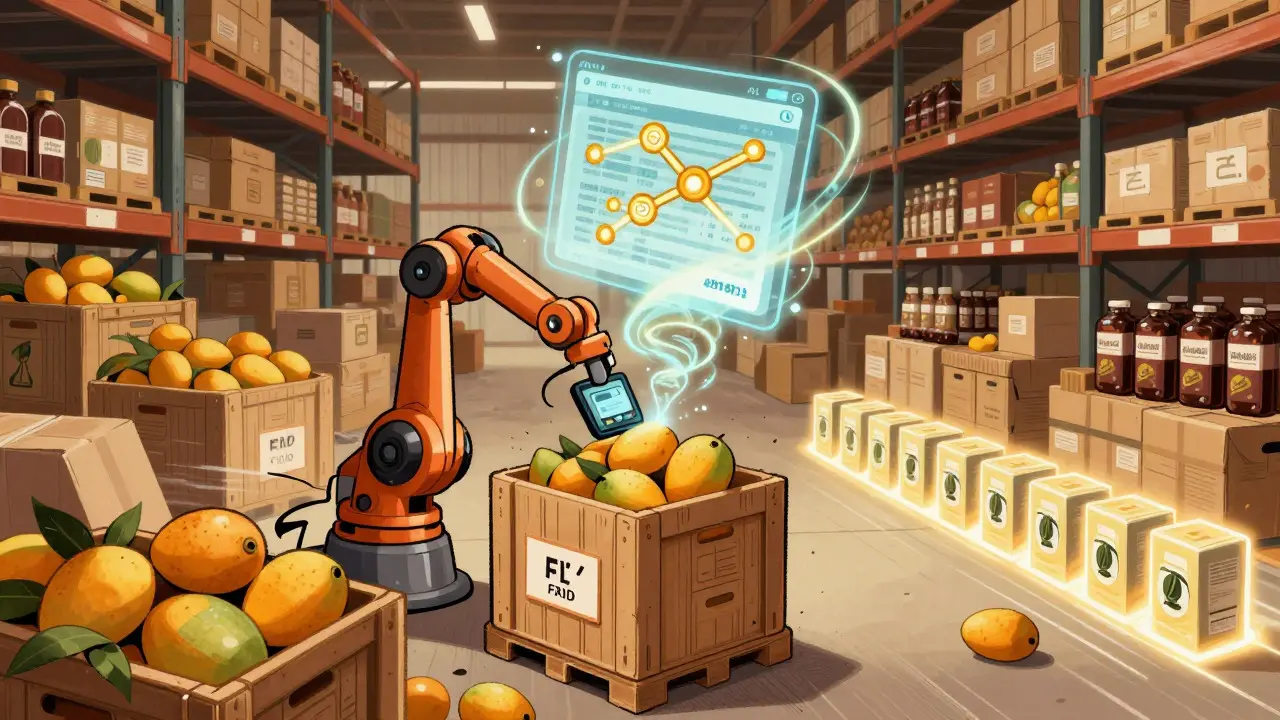
The primary driver here is efficiency during crises. Before blockchain adoption, Walmart took over six days to trace the origin of mangoes in a potential recall scenario. After implementing a blockchain system, that time dropped to 2.2 seconds. With NFTs, the potential is even higher because you aren't tracking a crate of mangoes; you are tracking each individual fruit. Early pilots, such as Walmart's October 2024 test, suggest recall identification could drop to under one second. For high-value perishables like organic produce or premium seafood, where fraud rates can reach 12% to 30%, this precision is worth the investment.
Consumer demand is another major factor. A 2022 study by IBM found that 87% of consumers consider traceability important when making purchasing decisions. People want to know if their coffee is fair trade or if their shrimp was sustainably sourced. NFTs allow brands to prove these claims rather than just stating them. When a consumer scans a code and sees a verified, tamper-proof history, trust increases significantly. Early user feedback indicates that those who use these systems report nearly 50% higher confidence in product authenticity compared to those relying on standard labels.
Challenges and Real-World Limitations
Despite the promise, adopting NFT traceability is not cheap or easy. Enterprise deployments can cost anywhere from $50,000 to $500,000 per product line, according to 2024 cost analyses. This includes hardware like RFID readers ($200-$1,000 each), software development, and staff training. For low-margin commodity crops like wheat or corn, the return on investment might not justify the expense unless costs are shared across the industry.
There is also a usability gap. Only 22% of consumers regularly scan traceability codes, meaning the technology must be incredibly simple to use. If scanning a tag requires downloading a complex app or waiting for slow network connections, adoption will stall. Furthermore, interoperability remains a headache. Different companies may use different blockchain platforms, leading to data silos. Without standardized protocols, a token created by one supplier might not be easily readable by a retailer using a different system. The Food and Agriculture Organization launched a global standardization initiative in March 2025 to address this, but widespread agreement is still years away.

Regulatory Landscape and Future Outlook
Government regulations are starting to catch up with the technology. The EU’s Digital Product Passport initiative, mandated for certain food categories by 2027, will likely accelerate the need for robust digital traceability systems. While current laws don't explicitly recognize NFT verification as a substitute for physical labeling, the infrastructure being built now will form the backbone of future compliance. Legal experts warn that companies need to stay ahead of these changes to avoid compliance gaps.
Looking ahead, analysts predict that 65% of premium food products will use NFT traceability by 2030. Major players like Nestlé and Carrefour are already expanding their pilots, moving from batch-level tracking to item-level precision. The technology is maturing rapidly, shifting from the "Peak of Inflated Expectations" toward practical mainstream adoption. For the average consumer, this means a future where checking the origin of your dinner is as simple as scanning a code, providing peace of mind that has been hard to come by in the modern food system.
Do I need a crypto wallet to use food traceability NFTs?
No. Most consumer-facing applications hide the blockchain complexity behind a simple QR code scan. You typically just point your phone camera at the tag, and the app displays the provenance data directly. You do not need to manage private keys or hold cryptocurrency to view the information.
Is NFT traceability only for expensive foods?
Currently, yes. High-value items like organic produce, seafood, and specialty meats benefit most because the cost of implementation is offset by reduced fraud and higher consumer trust. However, as technology scales and costs drop, it may eventually become viable for broader commodity markets.
How does this differ from a regular barcode?
A barcode links to a central database that any company can edit. An NFT links to a distributed blockchain ledger where records are permanent and verifiable by all parties. This makes NFTs much harder to fake and provides a more trustworthy history of the product's journey.
What happens if the internet goes down?
Most systems require an internet connection to verify the latest data on the blockchain. However, critical data like the farm of origin is often cached locally on the device or via offline-capable apps to ensure basic traceability remains available during outages.
Are there environmental concerns with using NFTs?
Early concerns stemmed from energy-intensive blockchains like pre-Merge Ethereum. However, most food supply chains now use enterprise-grade platforms like Hyperledger Fabric or post-Merge Ethereum, which are significantly more energy-efficient. The environmental impact is generally lower than the waste prevented by reducing food fraud and spoilage.