
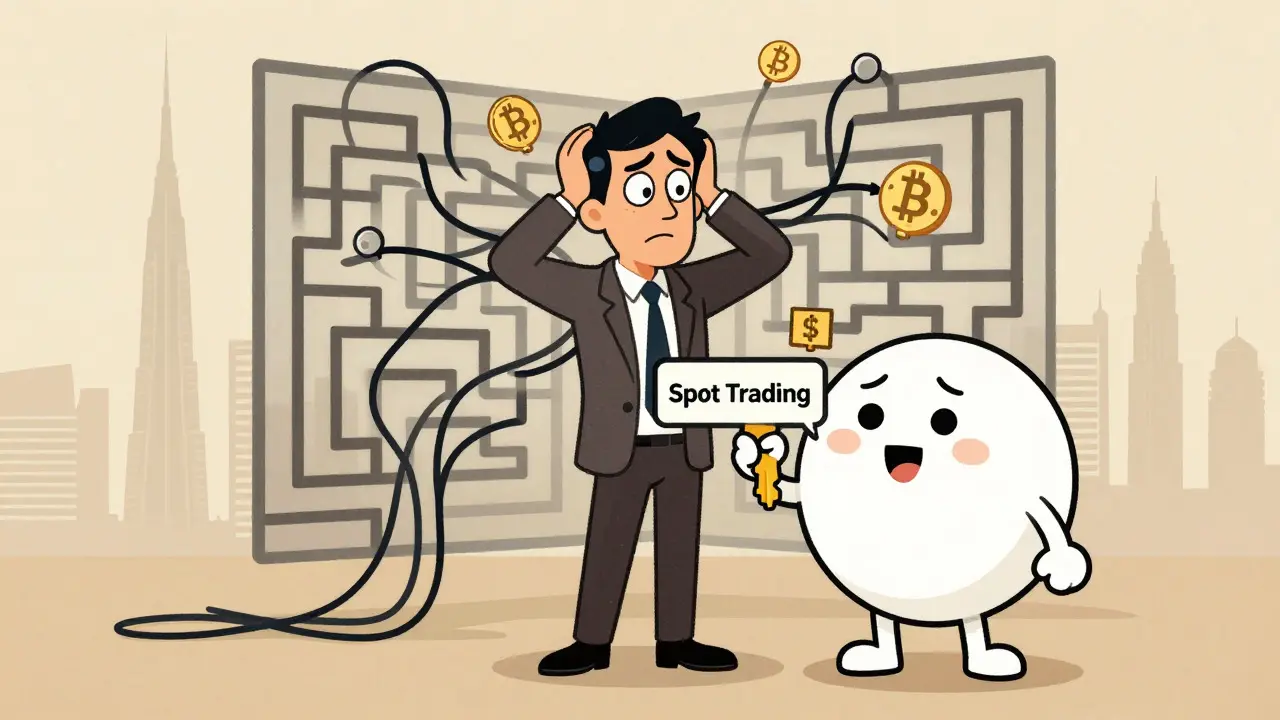
Most crypto exchanges feel like a maze. You want to buy Bitcoin or Ethereum, but you get hit with hidden fees, confusing interfaces, or limited payment options. Fastex is a Dubai-based cryptocurrency exchange that combines spot trading with a broader Web3 ecosystem, including NFTs and physical-digital asset bridges. Founded in 2017 by Vigen Badalyan and backed by software developer SoftConstruct, it aims to be simpler than the giants while offering more than just basic trading.
Is it right for you? That depends on what you value. If you need hundreds of altcoins or high-leverage futures, you might look elsewhere. But if you want a clean interface, transparent fees, and access to unique features like collectible currency notes, Fastex deserves a closer look. Here is a breakdown of how it works, what it costs, and where it stands in the 2026 market.
How Fastex Works: The Core Trading Experience
At its heart, Fastex is a centralized exchange (CEX). This means they hold your funds in custody while you trade, similar to Binance or Coinbase. However, their approach to trading is deliberately streamlined.
The platform currently focuses exclusively on spot trading. There are no perpetual futures, no margin trading, and no leveraged tokens yet. For many traders, this is a feature, not a bug. Leverage can wipe out accounts quickly. By sticking to spot trading, Fastex reduces complexity and risk for everyday users. The roadmap does mention plans for futures and leveraged tokens, but as of mid-2026, you are trading actual assets only.
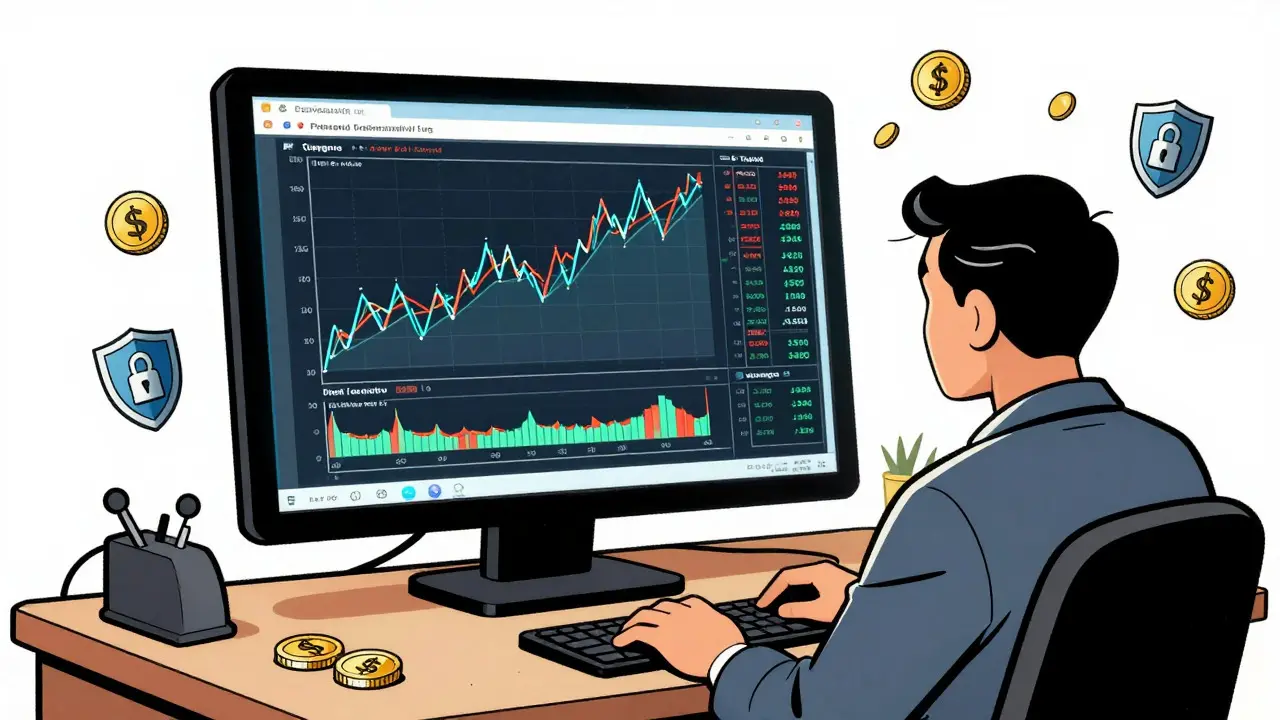
The interface integrates directly with TradingView, the industry-standard charting tool. This is a big deal. Most beginner-friendly exchanges give you basic line charts. Fastex gives you professional-grade technical analysis tools right in the browser. You can draw trendlines, add indicators, and set alerts without leaving the platform.
You can place several types of orders:
- Market orders for instant execution
- Limit orders to buy/sell at a specific price
- Stop-limit and stop-market orders for risk management
- Trailing stops to lock in profits as prices move
The minimum order size is just 0.1 USDT, making it accessible for small investors. You can also use their API for automated trading strategies if you prefer bots over manual clicking.
Fees and Costs: What You Actually Pay
Let’s talk money. Hidden fees kill profit margins. Fastex advertises transparency, so let’s verify that claim.
Spot trading commissions range from 0.14% to 0.15%. In the world of crypto exchanges, this is competitive. Compare that to some older platforms charging 0.25% or higher, and the savings add up over time, especially for active traders. There are no hidden withdrawal fees beyond standard network costs, and the platform promises complete data ownership for users.
Depositing fiat currency is straightforward. You can use Visa and Mastercard to deposit EUR, USD, BRL, GEL, AMD, and other supported currencies. The minimum deposit varies between 0.09 and 0.15 depending on the currency and method. Cryptocurrency deposits and withdrawals are free, though you pay the blockchain network fee (gas fee), which is standard across all exchanges.
| Feature | Fastex | Binance | Coinbase |
|---|---|---|---|
| Spot Trading Fee | 0.14% - 0.15% | 0.10% (maker/taker varies) | 0.40% - 0.60% |
| Leverage/Futures | Not available (planned) | Yes (up to 125x) | Yes (limited) |
| Charting Tool | Integrated TradingView | Integrated TradingView | Basic / Third-party link |
| Supported Coins | ~49 pairs | 350+ | 200+ |
Note that while Binance has lower base fees for high-volume traders, Fastex offers a simpler structure without tiered complexities for average users. Coinbase charges significantly more, which is why many users migrate after starting there.
Security and Trust: Who Is Behind It?
In crypto, trust is earned, not given. Fastex operates out of Dubai, a jurisdiction known for being crypto-friendly with clear regulatory frameworks. This provides a layer of legal stability that offshore anonymous exchanges lack.
The platform is powered by SoftConstruct, an established software development company. This backing matters. Many crypto startups fail because their tech infrastructure crumbles under load. SoftConstruct’s involvement suggests robust engineering standards. They use cold storage for the majority of user funds, meaning most assets are offline and safe from hackers. Two-factor authentication (2FA) is mandatory for enhanced security.
Account setup requires KYC (Know Your Customer) verification. This isn’t optional if you want higher withdrawal limits or fiat access. While privacy advocates dislike KYC, it is now the industry standard for reputable exchanges and helps prevent fraud.
Customer support operates through multiple channels with multilingual assistance. Response times vary from 4 to 24 hours depending on query complexity. It’s not instant chat for every issue, but it’s reliable for critical problems.
The Web3 Ecosystem: More Than Just Trading
This is where Fastex differentiates itself. It’s not just an exchange; it’s an ecosystem. Under the Fastex brand, you’ll find:
- FTN Token: The native utility token of the platform.
- ftNFT Marketplace: A place to buy and sell non-fungible tokens.
- Fastex Verse: A unified payment system for online and hardware payments.
- YoWallet: A new cryptocurrency wallet solution launched recently to strengthen ecosystem integration.
The unified wallet system allows seamless transitions. You can trade spot, buy an NFT, and make a payment without moving funds between different apps. This convenience is a major selling point for users who hate juggling multiple wallets.
The FTN Notes: Physical-Digital Bridge
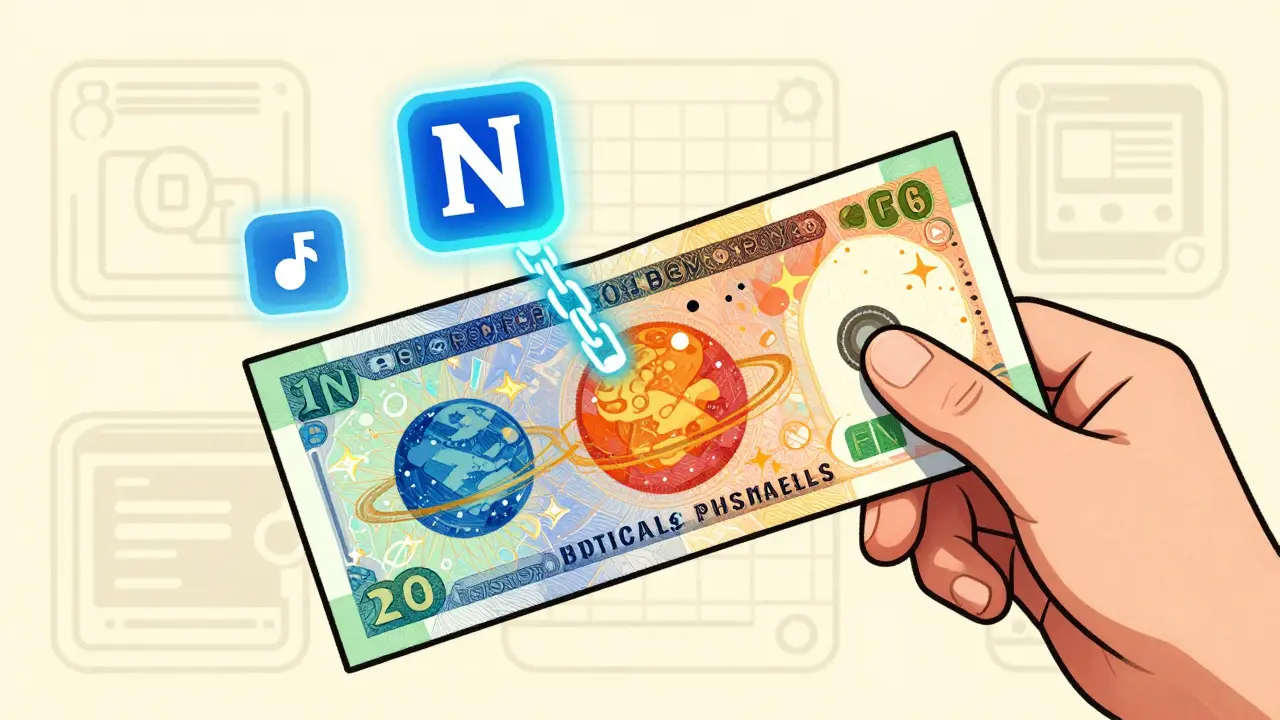
In July 2025, Fastex made headlines by becoming the first exchange globally to issue collectible currency notes backed 1:1 by its FTN token. CEO Vakhtang Abrahamyan announced these limited-edition physical notes feature advanced banknote-grade anti-counterfeit features.
These aren’t just paper souvenirs. Each note includes serial numbers, intaglio ink, optically variable ink, and metallic security foil. Designs are based on solar system planets. Crucially, each note is redeemable at any time for its full value in FTN tokens on the Fastex exchange and is represented by a unique NFT. This innovation bridges the gap between physical collectibles and digital assets, offering a novel way to experience cryptocurrency ownership. If you’re into tangible crypto experiences, this is unique to Fastex.
Pros and Cons: Who Should Use Fastex?
No platform is perfect. Here is an honest assessment based on current capabilities.
Pros:
- Clean, intuitive interface with professional TradingView charts.
- Transparent, competitive fee structure (0.14-0.15%).
- Strong security with cold storage and KYC compliance.
- Unique Web3 ecosystem including NFTs and physical FTN notes.
- Easy fiat on-ramps via Visa/Mastercard.
Cons:
- Limited coin selection (~49 pairs) compared to Binance (350+) or KuCoin (400+).
- No leverage or futures trading yet (though planned).
- Smaller liquidity pool than top-tier giants, which can affect slippage on large trades.
- Occasional connectivity issues reported on Android during high volume.
If you are a day trader needing obscure altcoins or high leverage, Fastex will feel restrictive. If you are a spot trader who values simplicity, security, and ecosystem features, it’s a strong contender.
Final Verdict
Fastex is carving out a niche in a crowded market. It doesn’t try to be everything to everyone. Instead, it focuses on secure, transparent spot trading wrapped in a broader Web3 lifestyle product. With its Dubai base, SoftConstruct backing, and innovative FTN notes, it shows long-term viability. The limited coin list is its biggest weakness, but for users focused on major cryptocurrencies and ease of use, the trade-off is worth considering. Keep an eye on their roadmap for futures trading, which could change the landscape significantly.
Is Fastex a legitimate exchange?
Yes, Fastex is a legitimate centralized exchange founded in 2017 and based in Dubai. It is backed by SoftConstruct, a known software development firm, and requires KYC verification for account security. It holds licenses appropriate for its jurisdiction and uses industry-standard security measures like cold storage.
What coins can I trade on Fastex?
Fastex currently supports approximately 49 cryptocurrency pairs for spot trading. This includes major coins like Bitcoin and Ethereum, along with selected altcoins. The selection is smaller than competitors like Binance, focusing on quality and stability rather than quantity.
Are there hidden fees on Fastex?
Fastex prides itself on transparency. Spot trading fees are clearly stated between 0.14% and 0.15%. There are no hidden withdrawal fees, though standard blockchain network fees apply for crypto transfers. Fiat deposits may have minimum thresholds but no extra percentage charges.
Can I use leverage on Fastex?
As of mid-2026, Fastex does not offer leverage, margin trading, or perpetual futures. It is strictly a spot trading platform. However, the company has announced plans to introduce futures and leveraged tokens in the future.
What are FTN Notes?
FTN Notes are limited-edition physical collectible currency notes issued by Fastex in 2025. Each note is backed 1:1 by the FTN token, features anti-counterfeit technology like metallic foil and special ink, and is linked to a unique NFT. They can be redeemed for FTN tokens at any time.
Is Fastex safe for beginners?
Yes, Fastex is considered safe for beginners due to its simple interface, lack of complex leverage products, and strong security protocols including 2FA and cold storage. The learning curve is moderate, with most users becoming proficient within 2-3 days.