
You’ve heard the buzz about DMEX Global, a project promising to revolutionize how we think about decentralized mining exchanges. The idea of earning tokens for supporting a network that democratizes cloud mining sounds too good to ignore. But here is the hard truth: specific details regarding the official "DMC" token airdrop are currently scarce or unverified in mainstream crypto data feeds.
In the world of crypto, silence can be dangerous. It might mean the project is under wraps, preparing for a massive launch. Or, it could mean you are looking at a potential scam designed to harvest your wallet addresses. This guide cuts through the noise. We will break down what DMEX claims to be, how legitimate airdrops work in 2026, and exactly how to protect yourself while waiting for verified information.
What Is DMEX Global?
To understand the potential value of an airdrop, you first need to understand the project behind it. DMEX (Decentralized Mining Exchange) positions itself as a platform that merges traditional cryptocurrency mining with decentralized finance (DeFi). Unlike centralized mining pools where one entity controls the majority of the hashing power, DMEX aims to distribute this power among individual users.
The core concept involves users renting out their computing power or buying shares in mining rigs, managed via smart contracts on a blockchain. The theoretical benefit? Higher transparency, lower fees, and direct ownership of mining assets. If successful, this model challenges giants like Binance Pool or F2Pool by removing the middleman.
However, the industry is crowded. Projects like NiceHash and various GPU rental platforms already exist. For DMEX to succeed, it needs more than just a whitepaper; it needs a working product and a clear utility for its native token, often referred to in rumors as DMC.
The Current Status of the DMC Airdrop
As of May 2026, there is no universally confirmed date, eligibility criteria, or snapshot mechanism for a "DMC" token airdrop from DMEX Global. Here is why this matters:
- No Official Announcement: Major projects usually announce airdrops months in advance on their official Twitter (X) accounts, Discord servers, and Medium blogs. If you haven’t seen a pinned post from a verified handle, proceed with extreme caution.
- Vague Rumors: Many Telegram groups and unofficial websites claim to have "early access" links. These are almost always phishing attempts. Legitimate airdrops do not require you to send ETH or USDT to "verify" your wallet.
- Token Symbol Confusion: Ensure you are looking for the correct token symbol. Scammers often create fake tokens with similar names (e.g., DMC-Fake vs. DMC-Real) on decentralized exchanges like Uniswap or PancakeSwap.
If you are seeing sites asking you to connect your wallet to "claim" DMC tokens right now, disconnect immediately. Real airdrops are usually distributed after a mainnet launch or a significant milestone, not before the project has proven its viability.
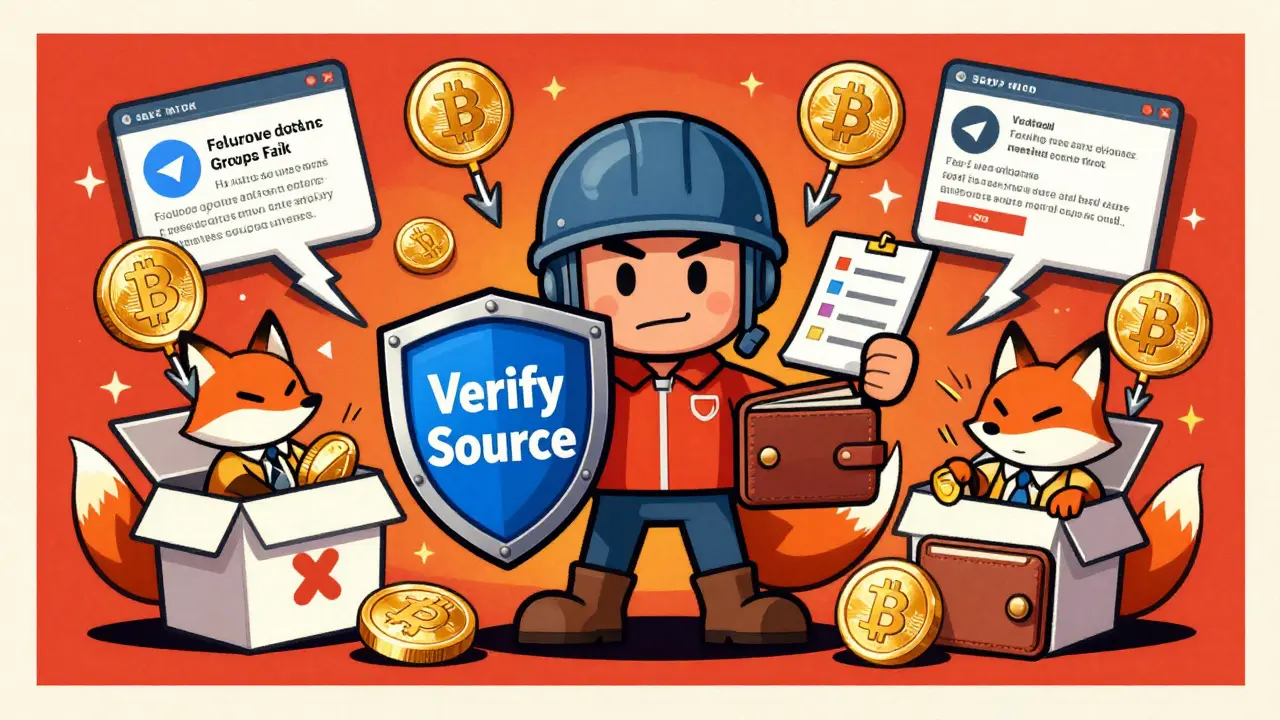
How to Spot a Legitimate Crypto Airdrop
With so many scams targeting eager investors, knowing the signs of a real opportunity is crucial. In 2026, sophisticated scammers use AI-generated content and cloned websites. Here is a checklist to validate any airdrop claim:
- Verify the Source: Go directly to the project’s official website. Do not click links from social media bios unless you have double-checked the URL. Look for security badges like CertiK audits or Hacken proofs.
- Check Community Engagement: Join the official Discord or Telegram. Are the developers active? Do they answer technical questions? A dead community or one filled only with bots is a red flag.
- Look for Partnerships: Legitimate projects partner with known entities in the blockchain space. If DMEX claims to partner with major exchanges or infrastructure providers, verify these claims on the partners’ official channels.
- Smart Contract Audits: Before any token distribution, the smart contract handling the airdrop must be audited. Ask for the audit report. If they refuse, walk away.
Steps to Prepare for Potential Eligibility
Even if the specific details aren't out yet, you can prepare your digital footprint. Most modern airdrops reward early adopters who interact with the protocol. If DMEX launches a testnet or a beta version of its exchange, here is how you should engage:
| Action Item | Why It Matters | Risk Level |
|---|---|---|
| Create a Dedicated Wallet | Keeps your main funds safe from potential exploits during testing. | Low |
| Follow Official Social Channels | Ensures you get alerts for snapshot dates and participation windows. | None |
| Interact with Testnet | Demonstrates usage and helps identify bugs, often rewarded in mainnet drops. | Low (use testnet tokens only) |
| Join DAO Governance | Shows commitment to the ecosystem beyond just farming tokens. | Medium (requires time) |
Never use your primary holding wallet for new, unaudited protocols. Use a burner wallet funded with only the amount you are willing to lose for gas fees. This strategy protects your life savings while allowing you to participate in early-stage opportunities.

Understanding the Risks of Decentralized Mining Projects
Decentralized mining exchanges face unique challenges. First, there is the issue of hardware verification. How does the network know you are actually providing hashing power and not just faking it? Second, regulatory scrutiny is high. Mining operations consume significant energy, and governments worldwide are tightening rules around crypto mining licenses.
If DMEX cannot solve the verification problem, its token may lack intrinsic value. If it faces regulatory bans, the entire project could collapse overnight. Always diversify your exposure. Never bet your entire portfolio on a single unproven airdrop.
Alternatives to Watch in 2026
While waiting for clarity on DMEX, consider other established projects in the decentralized infrastructure space. Platforms like Render Network (for GPU rendering) and Akash Network (for decentralized compute) have shown strong traction and transparent tokenomics. Studying their airdrop histories can provide insights into how DMEX might structure its own distribution.
Also, keep an eye on Layer 1 and Layer 2 solutions that support DeFi. Often, airdrops come from the underlying chains rather than the apps themselves. Interacting with Ethereum, Solana, or Arbitrum ecosystems can yield unexpected rewards.
Is the DMEX Global airdrop real?
As of May 2026, there is no officially confirmed airdrop event for DMEX Global's DMC token. Be extremely cautious of any website or person claiming you can claim tokens immediately. Wait for announcements from verified official channels.
How do I participate in the DMEX airdrop?
Once official details are released, participation will likely involve interacting with the DMEX platform, such as using their mining pool, staking assets, or joining their governance. Until then, follow their official social media for updates.
What is the DMC token used for?
The DMC token is expected to serve as the utility token for the DMEX ecosystem, potentially used for paying transaction fees, staking for mining rewards, and voting on governance proposals within the decentralized exchange.
Is it safe to connect my wallet to DMEX sites?
Only connect your wallet to the official, verified DMEX website. Use a separate burner wallet with minimal funds to minimize risk. Never approve unlimited spending allowances on unaudited contracts.
When will the DMEX airdrop start?
There is no confirmed start date. Dates announced on unofficial forums or Telegram groups are likely scams. Rely only on information posted on DMEX's official Twitter, Discord, or website.