
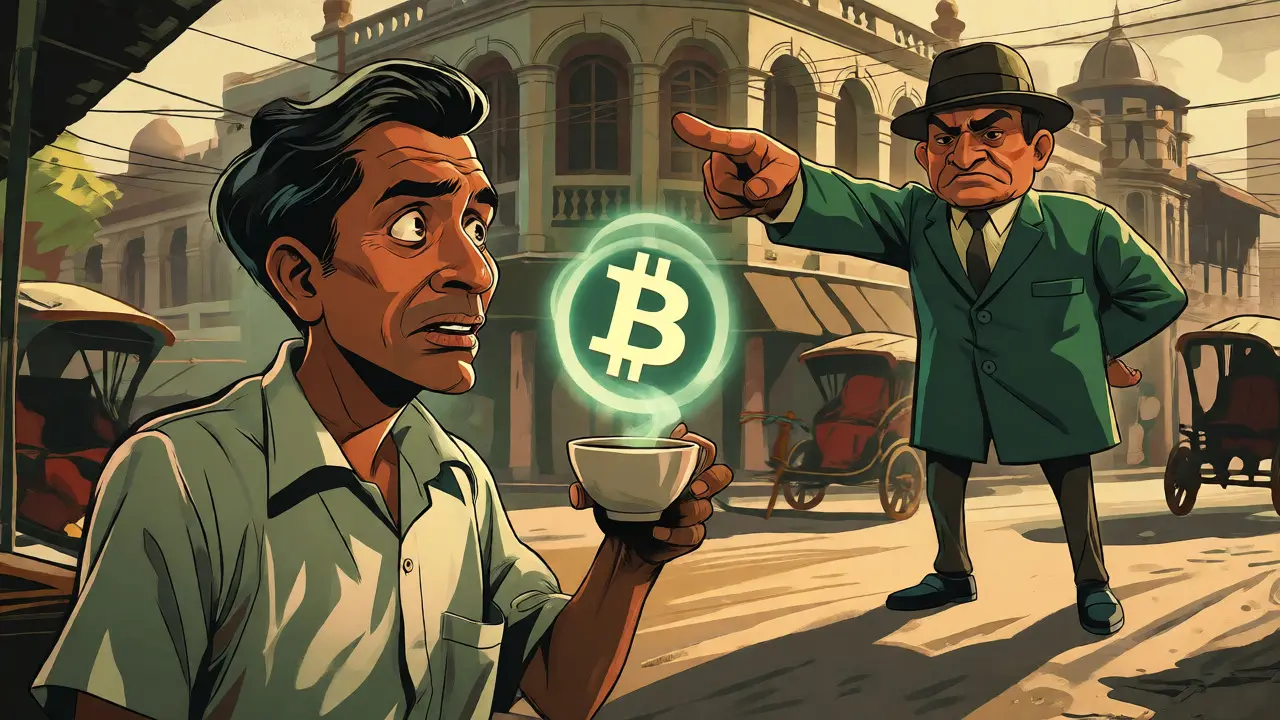
Imagine buying a cup of coffee with Bitcoin in Dhaka. You might think it’s just a transaction, but under current Bangladeshi law, that simple act could land you in serious legal trouble. For citizens of Bangladesh, cryptocurrency isn’t just a volatile investment; it is a prohibited activity carrying heavy legal and financial penalties. The Bangladesh Bank has maintained a strict ban on all forms of cryptocurrency usage, trade, and possession since 2017, citing concerns over money laundering and financial instability. Yet, despite the prohibition, an underground market thrives. If you are considering entering this space, you need to understand the specific risks that make trading here different from almost anywhere else in the world.
The Hard Legal Reality
The most immediate risk is legal prosecution. Unlike countries where crypto is regulated or taxed, Bangladesh treats it as illegal. The central bank’s directive is unambiguous: any dealing in virtual currencies violates the Foreign Exchange Regulation Act and anti-money laundering laws. This isn't just a gray area; it is black and white. Authorities have prosecuted individuals for participating in schemes like the MTFE (Multi-Level Marketing) Ponzi scams, which often used crypto terminology to mask their operations. If you are caught trading, you face potential fines and even imprisonment. The government views crypto not as a new asset class, but as a threat to the stability of the Bangladeshi Taka (BDT).
You might wonder, "If it's illegal, why can I still download Binance?" That is the trap. While global apps remain accessible via app stores, using them does not grant you legal immunity. The inconsistency in enforcement creates a false sense of security. Many traders assume that because they haven't been arrested yet, the law doesn't apply to them. However, regulatory bodies are increasingly focusing on large volume traders and those who convert significant amounts of BDT into stablecoins like USDT. As monitoring technology improves, the window for operating under the radar shrinks.
Financial Risks and Lack of Recourse
Because the market is underground, you lose the safety nets found in regulated markets. In a country like India, if an exchange fails, there are consumer protection frameworks. In Bangladesh, if your local agent disappears with your money, you have no legal recourse. You cannot sue them effectively because the underlying transaction was illegal. This lack of protection exposes you to fraud, price manipulation, and total loss of capital.
Most Bangladeshi traders acquire crypto through two risky methods:
- International Cards: Using USD-denominated credit cards allows banks to track your spending. Banks may flag these transactions as suspicious, leading to account freezes or closures.
- Local Agents: These informal brokers buy and sell Bitcoin or USDT for cash. They operate without regulation, meaning no audits, no insurance, and no transparency regarding their solvency.
The reliance on agents also introduces liquidity risk. During high-demand periods, spreads widen significantly. You might pay a premium to buy USDT and accept a discount when selling, eating into your profits before you even start trading. Furthermore, because these transactions are off-book, they contribute to capital flight, weakening the domestic currency while exposing individual traders to exchange rate volatility on top of crypto volatility.
The 2025 Regulatory Squeeze
Risks are escalating, not diminishing. Recent regulatory updates in 2025 have introduced stricter biometric verification mandates. These changes have turned simple account onboarding into a multi-day ordeal, causing many users to abandon formal channels for less secure Telegram groups. This shift increases exposure to scams, as peer-to-peer chats lack the dispute resolution mechanisms of structured platforms.
Mining is another area where risks have spiked. The government explicitly outlawed mining operations, viewing them as energy-intensive activities that drain the national grid. While some warehouse operators in Chittagong continue to run rigs secretly, the threat of raids and equipment confiscation is real. If you are involved in mining, you risk losing your hardware entirely, with no compensation available.
Taxation Paradox
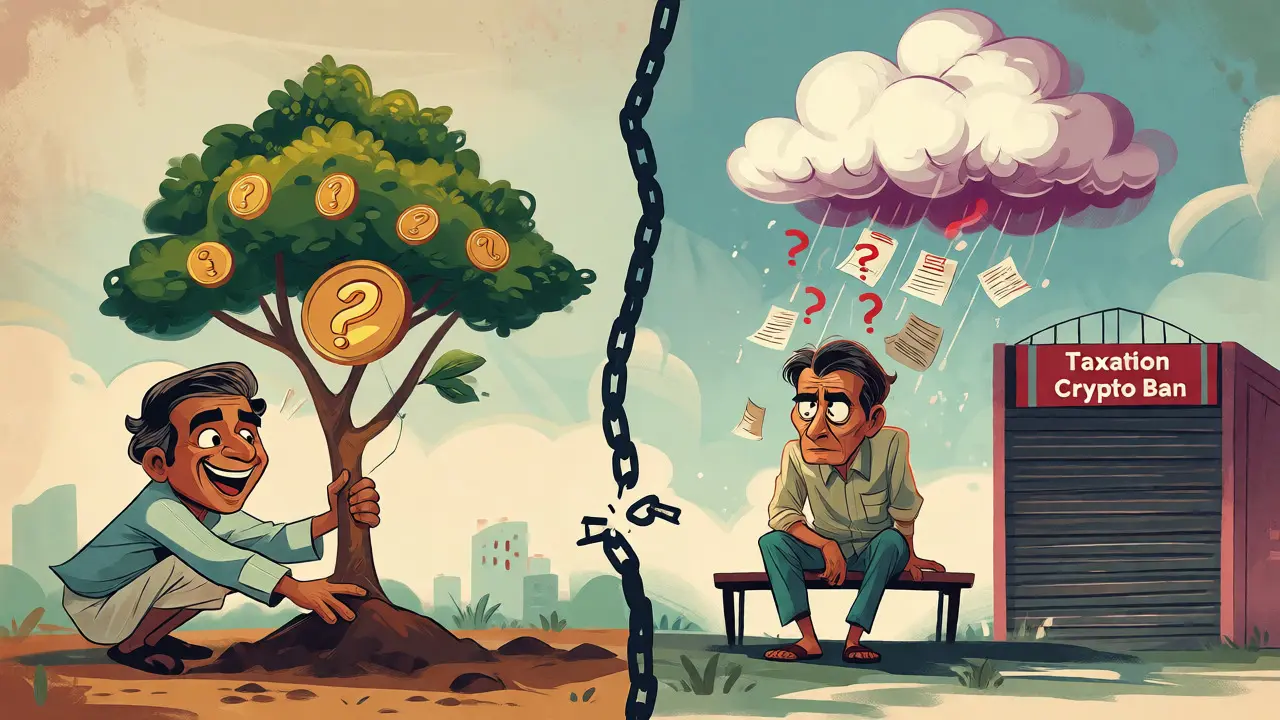
Here is a confusing twist: even though trading is illegal, you might still owe taxes. The National Board of Revenue applies the general Income Tax Ordinance of 1984 to all income sources, including crypto gains. This creates a paradox where you must report income from an activity that is technically prohibited. Failing to declare these gains can lead to penalties for tax evasion, adding another layer of legal vulnerability. Conversely, declaring them admits to engaging in illegal activity. Most traders ignore this, betting that the authorities won't connect the dots, but this is a gamble with long-term consequences.
Regional Context and Opportunity Cost
Compare Bangladesh to its neighbors, and the opportunity cost becomes clear. India imposes a flat 30% tax on crypto earnings but allows legal trading. Pakistan has moved toward proactive steps, including exploring Bitcoin reserves. Bangladesh’s absolute prohibition forces its citizens to miss out on the legitimate growth of the digital economy. You aren't just risking jail time; you are missing out on building wealth in a regulated environment that your peers in other countries enjoy.
| Feature | Bangladesh | India | Pakistan |
|---|---|---|---|
| Legal Status | Prohibited | Legal & Regulated | Developing Framework |
| Tax Implication | Unclear / General Income Tax | 30% Flat + 1% TDS | Evolving Guidelines |
| Consumer Protection | None | High | Moderate |
| Banking Access | Risk of Account Freeze | Standard Integration | Limited Integration |
Socioeconomic Fallout
The risks extend beyond your wallet. Banks in Bangladesh are prohibited from engaging with crypto-related entities. If your bank discovers consistent transfers to known crypto exchanges or agents, they may restrict your services. This can affect your ability to get loans, mortgages, or business financing. Financial marginalization is a real threat for active traders. Additionally, the stigma associated with crypto-often linked to scams like MTFE-can damage personal reputation, affecting social and professional relationships.
Future Outlook
Do not expect a quick change in policy. The government shows no signs of softening its stance. The trend is toward tighter control, not liberalization. With offshore stablecoin deposits rising by 200%, the state is likely to increase surveillance on cross-border payments. Retroactive enforcement is a possibility as monitoring capabilities expand. For now, the risk profile remains severe. If you choose to trade, do so with small amounts you can afford to lose completely, both financially and legally.
Is owning Bitcoin illegal in Bangladesh?
Yes, the Bangladesh Bank prohibits the purchase, sale, and holding of cryptocurrencies. Possession can be considered a violation of foreign exchange regulations, potentially leading to legal action.
Can I use international exchanges like Binance?
Technically, you can access them, but it carries risk. Transactions involving international cards or bank transfers can be flagged by local banks, leading to account freezes. There is no legal protection for funds held on these platforms.
What happens if my bank freezes my account for crypto trades?
Banks may freeze accounts suspected of facilitating crypto transactions. You will need to provide proof of the nature of transactions. Since crypto is banned, proving legitimacy is difficult, and the account may remain restricted until the issue is resolved, which can take months.
Are there any plans to legalize crypto in Bangladesh soon?
As of 2026, there are no concrete plans for legalization. The government continues to prioritize traditional banking stability and views crypto as a tool for illicit finance. Any future changes would likely involve a Central Bank Digital Currency (CBDC) rather than private cryptocurrencies.
How do people pay for crypto without banks?
Many use P2P networks via mobile financial services like bKash or Nagad, or cash-based local agents. These methods bypass direct bank involvement but lack regulatory oversight, increasing the risk of fraud and price manipulation.