
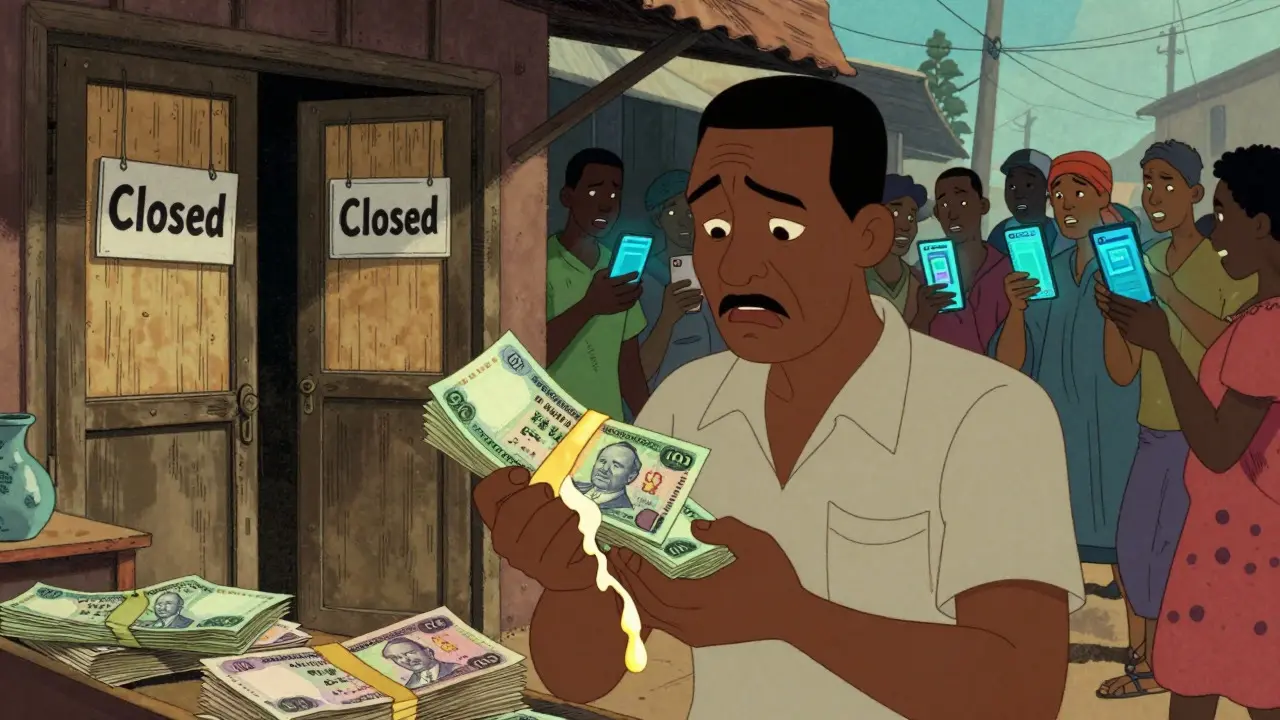
Imagine your savings losing half their value overnight. That was the reality for millions of Nigerians as the naira plummeted against the US dollar. While traditional banks locked doors or charged exorbitant fees, a different kind of bank opened its gates on every smartphone screen. By 2025, over 22 million Nigerians held cryptocurrencies. This isn't just a tech trend; it's a survival strategy. Nigeria has become the second-largest crypto market in the world, trailing only India. But how did a country with strict financial controls end up leading the global charge in digital currency adoption?
The story of crypto adoption in Nigeria is a complex interplay of economic desperation, technological innovation, and regulatory push-and-pull. It’s not about getting rich quick. It’s about keeping what you have. From peer-to-peer workarounds to institutional blockchain integration, the Nigerian model shows exactly why restrictions often backfire when they ignore market realities.
The Economic Push: Why Nigerians Fled to Crypto
To understand the boom, you first have to look at the bust. Nigeria operates Africa’s largest economy, valued at $363 billion. Yet, beneath that headline number lies chronic instability. In 2023, inflation surged past 24%. Since 2016, the naira has lost more than three-quarters of its value against the US dollar. For the average citizen, this means groceries cost double what they did last year, while salaries remain stagnant.
Traditional banking offered little relief. About 36% of Nigerian adults remain unbanked. Even those with accounts faced hurdles. Capital controls made it nearly impossible to access foreign currency for international payments. Sending money abroad via traditional channels could cost up to 8% in fees. These barriers created a vacuum. Cryptocurrency stepped in to fill it.
Stablecoins, particularly USDT (Tether) and USDC, became the new savings account. Unlike the volatile naira, these tokens pegged to the US dollar preserved purchasing power. Freelancers receiving payments from overseas clients used them to avoid high remittance fees. Small business owners used them to hedge against daily devaluation. The data backs this up: between July 2023 and June 2024, Nigeria recorded over $59 billion in cryptocurrency transactions. This wasn't speculative gambling; it was functional finance.
The Regulatory Rollercoaster: From Bans to Blockchain
If economics pulled Nigerians toward crypto, regulation tried to push them away. For years, the Central Bank of Nigeria (CBN) maintained a hardline stance. Circulars were issued banning banks from servicing crypto exchanges. The goal was to protect the naira and control capital flight. Instead, it drove activity underground.
Did the ban stop adoption? No. It just changed the method. Peer-to-Peer (P2P) trading exploded. Platforms like Binance P2P allowed users to trade directly with each other using local bank transfers or mobile money, bypassing restricted exchange accounts entirely. This decentralized approach proved resilient. When one door closed, ten windows opened.
The turning point came in late 2023. Facing pressure from a thriving informal market and recognizing the potential for financial inclusion, the CBN lifted its ban on banks servicing crypto businesses. This shift was pivotal. It allowed licensed exchanges to operate freely, boosting investor confidence and paving the way for institutional growth. By 2025, the landscape had transformed from a shadow economy to a regulated, albeit still evolving, financial sector.
| Period | Key Policy/Event | Impact on Adoption |
|---|---|---|
| Pre-2021 | Strict CBN circulars banning bank-crypto links | Driven growth in P2P markets; underground adoption |
| Late 2023 | CBN lifts ban on banks servicing crypto firms | Surge in institutional interest; increased transparency |
| 2025 | NIBSS partners with Zone blockchain network | Integration of blockchain into traditional settlement systems |
Institutional Leap: When Banks Embrace Blockchain
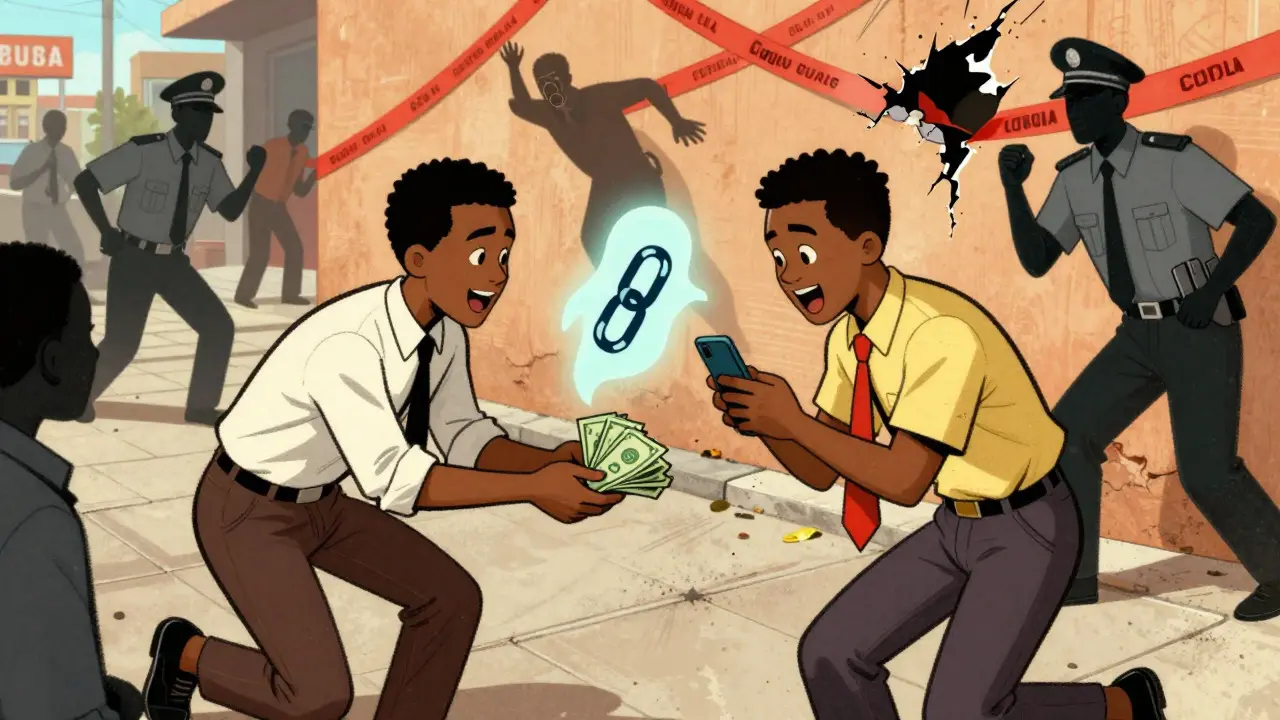
The narrative isn't just about retail users buying Bitcoin. It’s about infrastructure. In 2025, the Nigeria Inter-Bank Settlement System (NIBSS) partnered with Zone’s blockchain network. This move modernized the country’s financial backbone. NIBSS handles trillions of naira in transactions annually. Integrating blockchain technology enabled faster, more transparent interbank settlements while reducing fraud risks.
This partnership signals a major shift. It shows that traditional finance and decentralized technology can coexist. It’s no longer "crypto vs. banks." It’s "crypto within banks." Simultaneously, Nigeria’s fintech sector hit a milestone. Moniepoint, a digital payment platform, reached unicorn status with a $1 billion valuation after securing investments from Google and other major players. This success reflects broader leadership in financial innovation, with blockchain playing a central role in expanding access to credit and payments across the population.
User Reality: How Nigerians Actually Use Crypto
So, what does this look like on the ground? If you walk through Lagos or Abuja, you’ll see young professionals checking their phones during lunch breaks. They aren’t just scrolling social media; they’re managing portfolios. The learning curve for basic usage is surprisingly short-averaging 2-4 weeks for technically literate users. You don’t need a computer science degree. You need a smartphone and internet connectivity.
Most users start with P2P trading. It’s intuitive. You find a seller with good ratings, transfer naira to their bank account, and receive USDT in your wallet. Once comfortable, many move to self-custody wallets for security, learning the critical importance of private keys. Community support plays a huge role here. Telegram and WhatsApp groups buzz with advice on navigating exchange interfaces, understanding transaction fees, and avoiding scams.
However, challenges remain. Exchange downtime during periods of high volatility is common. Regulatory uncertainty, despite recent improvements, still lingers in the background. Users worry about sudden policy reversals. Yet, community sentiment analysis shows growing trust in regulated exchanges following the CBN’s policy shifts. There’s also rising interest in Decentralized Finance (DeFi), though adoption remains focused primarily on basic trading and storage rather than complex yield farming strategies.
Nigeria vs. The World: A Unique Market Profile
Nigeria doesn’t fit the mold of developed crypto markets like the US or Europe. Those markets are driven by institutional investment and speculation. Nigeria’s market is driven by necessity and utility. Chainalysis data highlights this distinction. Over 8% of all value transferred in Sub-Saharan Africa consists of transactions less than $10,000, compared to just 6% globally. This indicates a heavy reliance on retail users for everyday transactions.
In March 2025, Sub-Saharan Africa saw a sharp surge in activity, with monthly on-chain volume reaching nearly $25 billion. This spike occurred during a period of sudden currency devaluation. While other regions experienced declines, Nigerians rushed to convert weakening naira into stable assets. This reaction underscores the primary driver: hedging against inflation. Experts at Cornell Business School identify Nigeria as a fascinating case study in grassroots adoption, noting how a digitally native population embraced crypto to overcome systemic economic shortcomings.
Future Outlook: Sustainability and Risks
Will this boom last? The fundamentals suggest yes. As long as inflation remains high and the naira faces pressure, the demand for alternative stores of value will persist. Projections indicate the user base could stabilize around 22 million by 2025, representing over 10% of the total population. The competitive landscape includes international giants like Binance alongside local platforms such as Quidax and Yellow Card, which offer localized support and Pidgin English resources.
Risks do exist. Regulatory reversals are always possible if political winds change. International pressure on crypto-friendly policies could also tighten constraints. However, the economic necessity driving adoption is deeply entrenched. Combined with growing institutional acceptance, such as the NIBSS blockchain integration, the trajectory points toward sustainable, long-term growth. Nigeria is transitioning from a wild west of P2P trading to a structured, institutional-grade market. The lesson is clear: you can restrict the tool, but you can’t restrict the need.
Why is Nigeria the second-largest crypto market globally?
Nigeria ranks second due to high inflation, currency devaluation, and limited access to traditional banking. These factors drive citizens to use cryptocurrencies, especially stablecoins, as a reliable store of value and for cross-border transactions.
Did the CBN ban on crypto fail?
The ban didn't stop adoption; it shifted it to peer-to-peer (P2P) markets. Recognizing this, the CBN lifted the ban in late 2023, allowing banks to service crypto businesses again, which helped formalize the sector.
How do ordinary Nigerians use cryptocurrency?
Most users employ crypto for saving (hedging against naira inflation), receiving international freelance payments, and sending remittances cheaper than traditional banks. Many start with P2P platforms like Binance before moving to self-custody wallets.
What is the role of NIBSS in Nigeria's crypto ecosystem?
In 2025, NIBSS partnered with Zone's blockchain network to modernize interbank settlements. This integration brings blockchain efficiency and transparency into the traditional banking infrastructure, marking a step toward institutional adoption.
Is it safe to use crypto in Nigeria given the regulations?
While regulatory clarity has improved since 2023, risks remain. Users should stick to licensed exchanges, understand private key security, and be aware of potential policy changes. The market is maturing, but vigilance is still required.