

Have you seen the buzz around the CRDT airdrop? With terms like "Give a Way" and "Airdrop" trending, it is easy to feel FOMO. But here is the hard truth: there is no verified, official information about a specific "CRDT Give a Way" program right now. In the world of cryptocurrency, silence from official channels often means one of two things: the project is still in stealth mode, or worse, scammers are creating fake hype to steal your funds.
This guide cuts through the noise. We will break down what a CRDT airdrop likely looks like based on industry standards, how to spot the real deal versus a scam, and exactly what steps you should take to protect yourself while potentially earning free tokens. If you are looking for a quick get-rich-quick scheme, this isn't it. But if you want to participate safely and smartly, keep reading.
What Is a Crypto Airdrop?
To understand the potential opportunity with CRDT, you first need to know how these distributions work. An airdrop is a marketing strategy used by blockchain projects to distribute free tokens to wallet holders. Think of it as a digital flyer. Instead of handing out paper flyers at a bus stop, a project sends tokens directly to your digital wallet to grab your attention and build a community.
Projects use airdrops for three main reasons:
- Decentralization: By distributing tokens widely, they ensure no single entity controls the network.
- User Acquisition: Free tokens attract new users who might then use the platform's services.
- Liquidity: More holders mean more trading volume on exchanges.
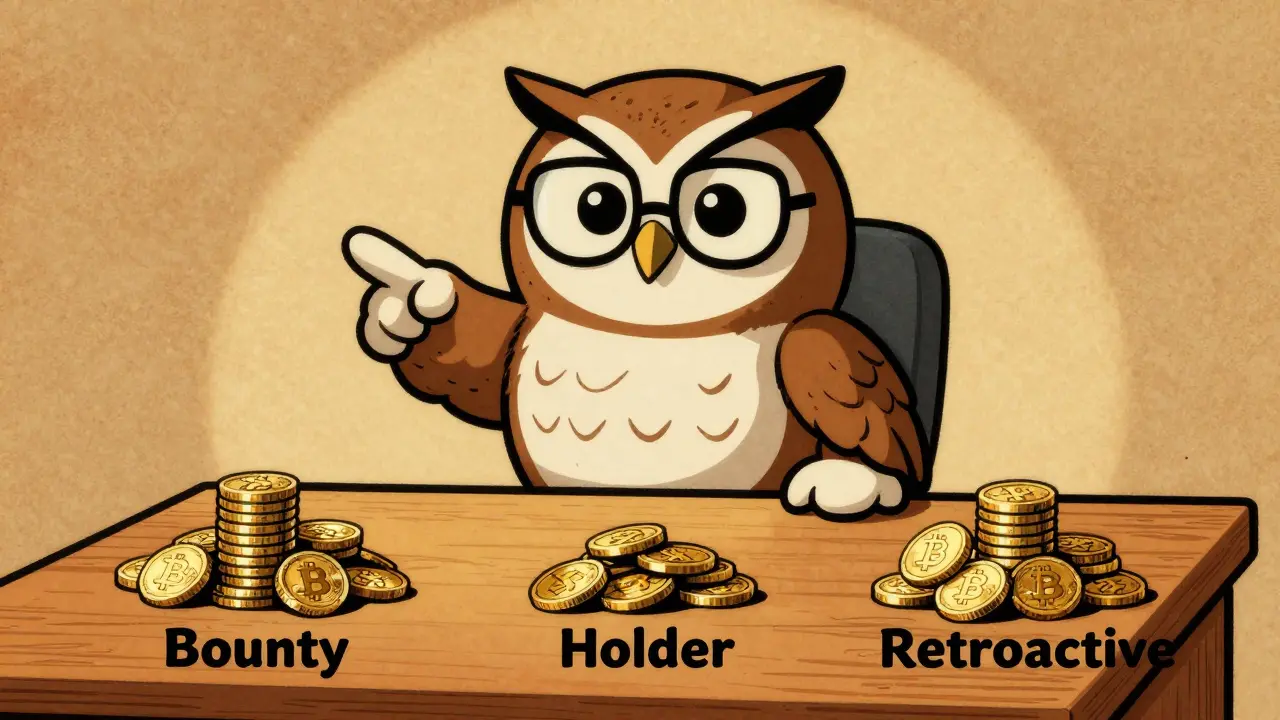
However, not all airdrops are created equal. Some require zero effort (retroactive), while others demand hours of social media engagement (bounty). Understanding this distinction is crucial before you invest any time or money into the CRDT ecosystem.
The CRDT Mystery: What Do We Know?
As of July 2026, specific details regarding a "CRDT Give a Way" are scarce. This lack of transparency is a major red flag that requires careful handling. In the crypto space, legitimate projects usually publish their airdrop criteria clearly on their official website or GitHub repository. They provide a snapshot date, eligibility requirements, and distribution mechanics.
If you cannot find an official announcement from the verified CRDT team on platforms like X (formerly Twitter) or Discord, proceed with extreme caution. Many scams rely on the ambiguity of names. There might be multiple projects using similar acronyms. One could be a legitimate decentralized storage protocol, while another is a pump-and-dump scheme designed to drain wallets.
Before participating in any activity labeled "CRDT," verify the following:
- Official Links: Check the project's verified social media handles. Look for the blue checkmark or community verification badges.
- Whitepaper: Does the project have a technical document explaining its utility? Airdrops without underlying technology are often worthless.
- Team Identity: Are the developers public? Anonymous teams are higher risk, especially when asking for interaction.
Types of Airdrops You Might Encounter
If the CRDT project does launch an official campaign, it will likely fall into one of these common categories. Knowing which type you are dealing with helps you manage your expectations and effort.
| Airdrop Type | Effort Required | Risk Level | Description |
|---|---|---|---|
| Bounty Airdrop | High | Medium | Requires tasks like joining Telegram, retweeting, or referring friends. |
| Holder Airdrop | Low | Low | You receive tokens simply for holding a specific coin (e.g., ETH or SOL) at a snapshot date. |
| Retroactive Airdrop | None | Very Low | Rewards early users of a protocol. No action needed after the fact. |
| Exclusive Airdrop | Variable | High | Reserved for VIPs, beta testers, or large investors. Often requires KYC. |
Most "Giveaways" promoted on social media are actually Bounty Airdrops disguised as free money. They ask you to spend time engaging with content. While this can be valuable for building your own personal brand in crypto, it rarely results in significant financial gain unless the token price explodes shortly after distribution.
How to Spot a CRDT Scam
This is the most critical section. Because "CRDT" lacks widespread, verified documentation for a current giveaway, you are in the danger zone for phishing attacks. Scammers create fake websites that look identical to the real project. They promise huge rewards if you connect your wallet or send a small amount of crypto for "gas fees."
Here are the undeniable signs of a scam:
- Requests for Private Keys: No legitimate service will ever ask for your private key or seed phrase. If a site asks for this, close it immediately.
- Urgency Tactics: Phrases like "Claim now or lose forever" or "Only 10 spots left" are psychological triggers used by fraudsters to make you act without thinking.
- Unverified Domains: Check the URL carefully. Scammers often use slight misspellings (e.g., crdt-airdrop.com instead of crdt.io).
- DM Requests: Legitimate projects do not DM you on Telegram or Discord to offer free tokens. They announce publicly.
Remember: If it sounds too good to be true, it is. A genuine airdrop might give you $5-$50 worth of tokens. It will not give you $1,000 for clicking a link.
Safety First: Best Practices for Participation
If you decide to pursue the CRDT airdrop or any other crypto giveaway, follow these strict safety protocols. These steps minimize your exposure to hacks and scams.
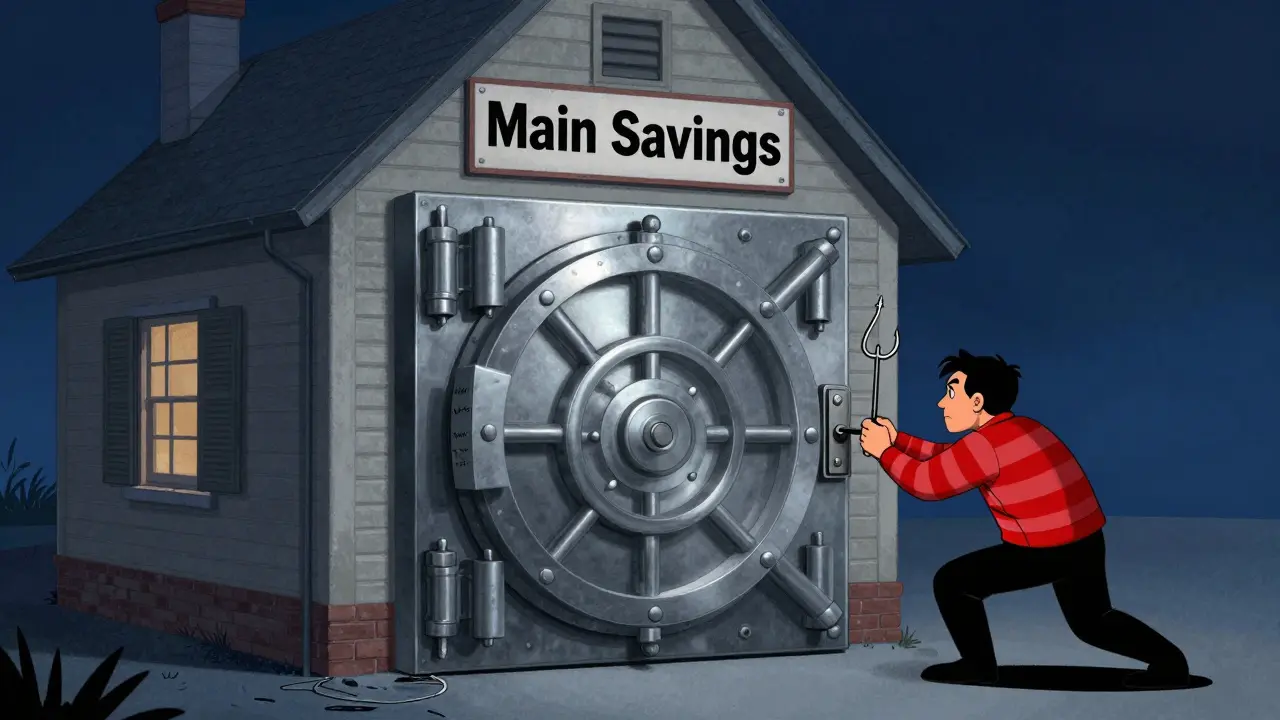
1. Use a Burner Wallet
Never connect your main wallet-the one holding your life savings-to unknown dApps or airdrop sites. Create a separate wallet specifically for airdrops. Fund it with only the minimum amount of gas needed for transactions. If this wallet gets compromised, your main assets remain safe.
2. Revoke Permissions Regularly
When you interact with a smart contract to claim an airdrop, you grant that contract permission to access your tokens. After claiming, go to a tool like Revoke.cash and disconnect any unnecessary approvals. This prevents malicious contracts from draining your funds later.
3. Verify Smart Contracts
If the airdrop requires interacting with a contract, check the address on Etherscan (or the relevant chain explorer). Look for audits from reputable firms like CertiK or Hacken. Unaudited contracts are risky bets.
4. Enable Two-Factor Authentication (2FA)
Ensure your email and exchange accounts have 2FA enabled. Use an authenticator app rather than SMS, which can be intercepted via SIM swapping.
Is the CRDT Token Worth Claiming?
Even if you successfully claim the tokens, the next question is value. Not all airdropped tokens are profitable. Many have low liquidity, meaning you cannot sell them without crashing the price. Others are "rug pulls," where the developers abandon the project after the hype dies down.
To evaluate the potential worth of CRDT tokens:
- Check Liquidity: Is the token listed on major exchanges like Binance or Coinbase? Or is it only on decentralized exchanges (DEXs) with low volume? High liquidity equals easier selling.
- Analyze Utility: What does the CRDT token do? Can you use it for governance, staking, or paying for services? Tokens with real-world use cases tend to hold value better than speculative memes.
- Community Strength: Join the official Discord or Telegram. Are people discussing technology and updates, or just asking "when moon?" A healthy community focuses on development.
If the token has no clear utility and low liquidity, it might be safer to leave it in your burner wallet rather than trying to trade it on unregulated platforms.
Conclusion: Patience Pays Off
The allure of free crypto is strong, but the risks are equally high. Without verified details on the "CRDT Give a Way," your best strategy is skepticism. Wait for official announcements from trusted sources. Never rush to connect your wallet. Protect your private keys at all costs. By following these guidelines, you position yourself to benefit from legitimate opportunities while avoiding the traps set by bad actors. Stay safe, stay skeptical, and let the real deals come to you.
Is the CRDT airdrop legitimate?
As of now, there is no widely verified official information confirming a "CRDT Give a Way" airdrop. Proceed with extreme caution and only engage with links from the project's officially verified social media channels. If you cannot find a verified source, assume it may be a scam.
How do I claim a crypto airdrop safely?
Use a separate "burner" wallet for airdrop interactions, never share your private keys or seed phrase, verify the smart contract address on block explorers, and revoke permissions after claiming. Always double-check URLs to avoid phishing sites.
What is a bounty airdrop?
A bounty airdrop requires users to complete specific tasks such as following social media accounts, joining communities, or referring friends in exchange for tokens. These are common marketing tactics but require significant time investment.
Can I lose money participating in an airdrop?
Yes. While the airdrop itself is free, you may spend gas fees to claim it. Worse, if you interact with a malicious contract or phishing site, you could lose all funds in that wallet. Always use a dedicated wallet with minimal funds for airdrops.
Why do projects give away free tokens?
Projects use airdrops to decentralize ownership, attract new users, and increase liquidity for their tokens. It is a growth strategy that rewards early adopters and builds a community around the project.