
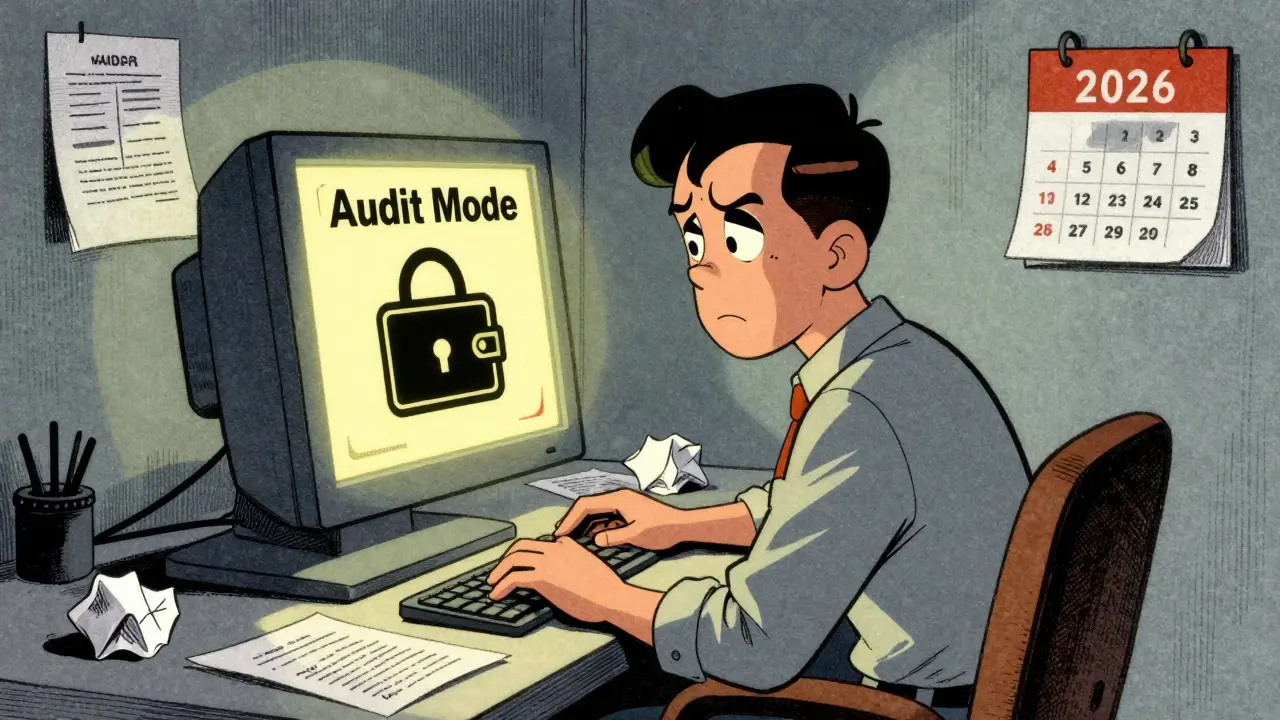
Imagine logging into your favorite crypto platform to move funds, only to find a message saying "Audit Mode" with no way out. That is exactly what happened to thousands of users on COSS, a Singapore-based exchange that promised to be a one-stop solution for digital asset trading. Founded in 2017 by Rune Bjelland, the platform once looked like a solid alternative to giants like Binance or Coinbase. But today? The story has changed dramatically. If you are considering using COSS, or if you still have assets stuck there, this review breaks down the reality of the situation in 2026.
The Rise and Fall of a Promising Platform
To understand where COSS stands now, we need to look at its history. Launched under the company name Crypto One Stop Solution Pte. Ltd., the exchange aimed to combine trading, wallet services, and initial exchange offerings (IEO) into one ecosystem. In its early days, it gained some traction by joining the Singapore Fintech Association and the Ethereum Enterprise Alliance. These memberships gave it an air of legitimacy that many smaller exchanges lacked.
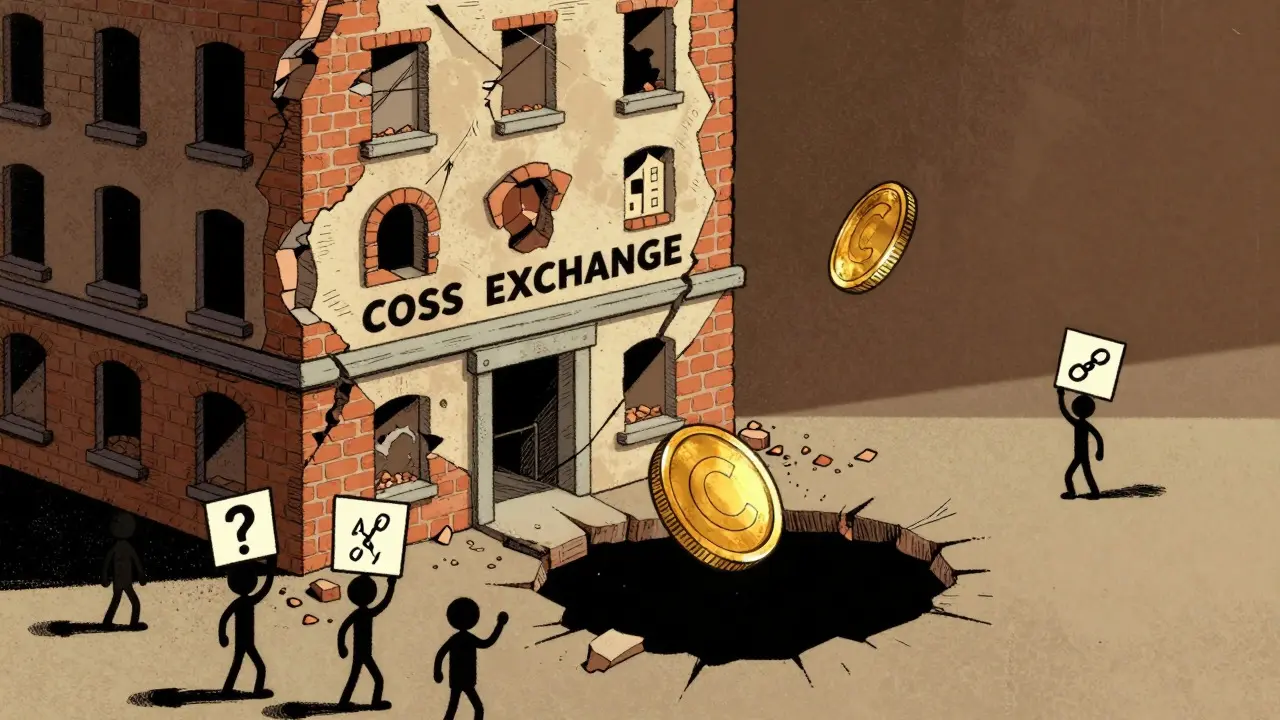
However, the plot thickened in April 2019 when COSS merged with Arax Wallet. This move was supposed to strengthen their infrastructure. For a while, things seemed fine. The platform processed millions in daily volume, positioning itself as a mid-tier player in the global market. But by mid-2021, cracks started showing. Users reported sudden changes in withdrawal rules, followed by a complete freeze on operations. What began as technical issues turned into what many community members on Reddit and Trustpilot labeled an "exit scam." Today, CoinMarketCap shows "No data available" for most COSS pairs, signaling that the exchange has effectively ceased normal operations.
Fees and Features: How It Compared Back Then
When COSS was active, its fee structure was actually quite competitive. This is important context because it explains why so many people signed up in the first place. The exchange charged a standard taker fee of 0.25% for market orders. More impressively, maker fees were set at 0.00% for limit orders. Compare that to Binance's standard 0.10% maker fee or Kraken's 0.16%, and COSS looked like a bargain for high-volume traders who used limit orders frequently.
Withdrawal costs were also lower than average. Moving Bitcoin off the platform cost 0.0004 BTC, which was cheaper than the industry average of around 0.0006 BTC at the time. A unique feature was the Fee Sharing Agreement (FSA), where 50% of trading fees were distributed to holders of the native COS token. This created a loyal user base who believed in the long-term vision of the project.
| Feature | COSS (Active Period) | Binance | Kraken |
|---|---|---|---|
| Taker Fee | 0.25% | 0.10% | 0.16% |
| Maker Fee | 0.00% | 0.10% | 0.16% |
| BTC Withdrawal Fee | 0.0004 BTC | 0.0005 - 0.0007 BTC | 0.0005 BTC |
| Credit Card Deposits | No | Yes | Yes |
The Operational Collapse: What Went Wrong?
The decline of COSS wasn't sudden; it was a series of red flags that users either ignored or couldn't escape. By August 2021, multiple reports surfaced indicating that the exchange had entered an "audit mode." This term was used to justify freezing withdrawals indefinitely. Users described a scenario where support channels closed simultaneously, and email addresses listed in terms of service became inactive.
One specific complaint highlighted that after completing new KYC requirements following an unexplained "migration," withdrawals still failed. The promise of a decentralized exchange (COSS DEX), launched in July 2020 to offer cross-chain trading, never materialized for most users. Links to the DEX often redirected to unrelated sites or showed error messages. This lack of transparency is what eroded trust completely. Unlike established players like Coinbase or Kraken, which maintained consistent withdrawal functionality even during bear markets, COSS collapsed during relatively stable conditions, raising serious questions about its financial health.
Is COSS Safe to Use in 2026?
Short answer: No. Unless you already hold assets there and are waiting for a recovery plan, opening a new account on COSS carries extreme risk. The platform lacks regulatory oversight from any dedicated agency, a vulnerability noted by experts in 2023 reviews. While it had legal registration in Singapore, the absence of a clear licensing path under the Payment Services Act (which took effect in January 2020) meant users had little legal recourse if things went wrong.
Current status checks show minimal activity. Community forums are abandoned, Telegram groups are silent, and official documentation is outdated. If you are looking for a safe place to store or trade crypto, the consensus among industry analysts is to stick with reputable, regulated exchanges. COSS serves as a cautionary tale about the importance of due diligence. Always check for active regulatory licenses, transparent reserve audits, and responsive customer support before depositing significant funds.
Alternatives to Consider
If you were drawn to COSS for its low fees or multi-chain capabilities, several other platforms offer similar benefits with much higher reliability. Here are three strong alternatives:
- Binance: Offers the deepest liquidity and lowest fees for high-volume traders. While the interface can be complex for beginners, the robust security and wide range of assets make it a top choice.
- Kraken: Known for its strong security record and excellent customer support. It offers advanced trading tools and has maintained operations through multiple market cycles without major scandals.
- Coinbase: The best option for beginners due to its user-friendly interface. Although fees are slightly higher, the ease of use and regulatory compliance in major markets provide peace of mind.

What Should You Do If You Have Assets Stuck on COSS?
If you are one of the users with funds locked in "audit mode," your options are limited but not entirely hopeless. First, keep all communication records, including emails and screenshots of the platform. Monitor the official COSS social media channels for any updates, though these have been sparse in recent years. Join remaining community threads on Reddit or Discord to share information with other affected users. Some users have reported partial recoveries after prolonged periods of waiting, but this should not be expected. Finally, consult with a legal expert specializing in international digital asset law if your amount is significant, as jurisdictional issues can complicate recovery efforts.
Frequently Asked Questions
Is COSS crypto exchange legit in 2026?
While COSS was legally registered in Singapore, its operational status is highly questionable. Most users consider it non-functional due to frozen withdrawals and lack of support. It is generally advised to avoid using it for new deposits.
Why did COSS stop allowing withdrawals?
In 2021, the exchange placed accounts in "audit mode," citing internal reviews. However, support channels closed, and many users believe this was part of a broader operational failure or exit strategy, leaving assets inaccessible.
How do COSS fees compare to Binance?
Historically, COSS offered 0.00% maker fees, which was lower than Binance's 0.10%. However, COSS lacked credit card deposit options and had fewer supported assets compared to Binance's extensive lineup.
Can I still buy the COS token?
Trading volume for the COS token has dropped significantly. While it may still exist on some secondary markets, liquidity is very low, making it difficult to buy or sell large amounts without significant price impact.
What is the safest alternative to COSS?
For most users, Kraken or Coinbase are considered safer alternatives due to their regulatory compliance, transparent reserves, and long track record of reliable operations.