
Have you seen the buzz around CORA, the native token of Corra.Finance, a platform that gamifies DeFi through NFTs? If you are looking for free tokens, you need to understand exactly how this distribution works. The CORA airdrop isn't just one event; it is a mix of past campaigns, exchange kickstarters, and community rewards. Getting your hands on these tokens requires knowing where to look and what steps to take before they vanish.
Many users miss out because they assume an airdrop is automatic. It rarely is. You usually have to perform specific tasks, hold certain assets, or participate in voting sessions. This guide breaks down the CORA airdrop mechanics, eligibility criteria, and how to safely claim your share if you qualify.
What Is Corra.Finance and the CORA Token?
Before diving into the airdrop details, you need to know what you are actually getting. Corra.Finance is a plug-and-play platform designed to create NFT products for the decentralized finance (DeFi) market. Its main goal? Gamifying existing DeFi products to boost yields through exclusive NFTs.
The CORA token serves as the utility token for this ecosystem. Here are the key facts about the asset:
- Total Supply: 10 million CORA tokens.
- Circulating Supply: Approximately 36,180 CORA (indicating significant reserves remain).
- Primary Use Case: Facilitating transactions, governance, and rewards within the Corra.Finance marketplace.
- Categories Supported: DeFi, digital content, social media, and non-profit initiatives.
Unlike traditional NFT platforms that charge gas fees upfront, Corra.Finance allows users to create and list products for free. Fees are only charged when a sale is successful. This model lowers the barrier to entry for creators and increases liquidity for traders.
How the CORA Airdrop Works: Mechanisms Explained
The CORA distribution strategy relies heavily on community engagement and partnerships with major exchanges. There isn't a single "click-to-claim" button for everyone. Instead, there are three primary ways users have received or can receive CORA tokens.
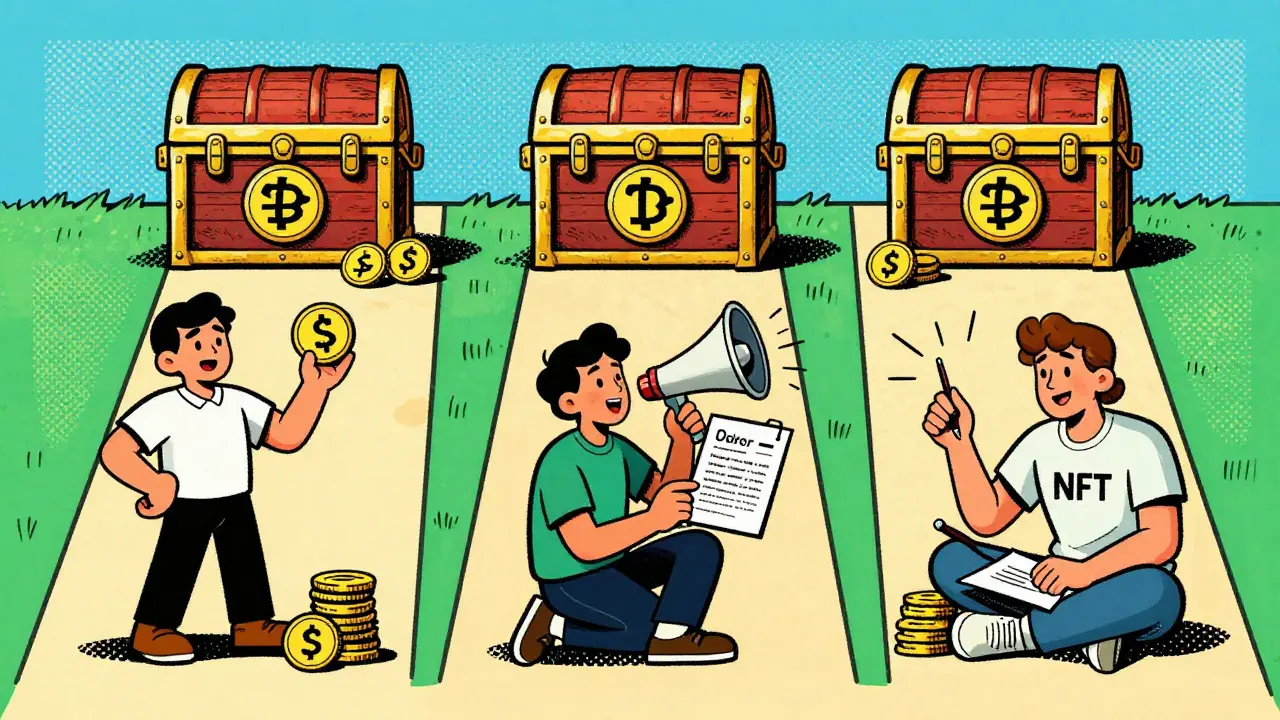
1. MEXC Kickstarter Sessions
This is the most significant channel for CORA distribution. MEXC Exchange hosts "Kickstarter" sessions where the community votes to list new tokens. To vote, users contribute USDT. In return, they receive CORA tokens as rewards based on their contribution amount.
For example, during the 4th Kickstarter session, users contributed over 87 million USDT to support the CORA listing. Participants in this session received CORA tokens proportional to their vote. This method ensures that people who actively support the project’s growth get rewarded.
2. CoinMarketCap Campaigns
Corra.Finance has partnered with CoinMarketCap to distribute tokens directly to its user base. One notable campaign offered 600 CORA tokens distributed among 2,000 winners. These campaigns typically require users to complete simple tasks like following social media accounts, joining Telegram groups, or sharing posts.
3. Community and Creator Rewards
As a creator-focused platform, Corra.Finance also distributes tokens to active users who mint NFTs, engage in auctions, or promote the platform. While not always labeled as an "airdrop," these rewards function similarly by distributing tokens without direct purchase.
Step-by-Step: How to Check Eligibility and Claim
If you think you might be eligible for a CORA airdrop, follow these steps carefully. Do not skip any part, especially the security checks.
- Identify Your Wallet Address: Most airdrops target specific wallet addresses that interacted with the protocol or participated in past campaigns. Note down your Ethereum-compatible wallet address (e.g., MetaMask, Trust Wallet).
- Check Official Channels: Go to the official Corra.Finance website and their verified social media accounts (Twitter/X, Telegram). Look for announcements regarding "Claim Periods." Never trust links from random DMs or unofficial sites.
- Connect Your Wallet: On the official claim page, connect your wallet. The site will display whether you are eligible and how many tokens you can claim.
- Approve the Transaction: If eligible, you will need to sign a transaction to approve the token transfer. This may involve a small gas fee (paid in ETH or BNB, depending on the network).
- Verify Receipt: After claiming, check your wallet balance. You should see the CORA tokens appear. Add the CORA contract address to your wallet if it doesn’t show up automatically.
Security First: Avoiding Scams
Airdrops attract scammers. With projects like Corra.Finance gaining attention, fake websites and phishing attempts increase. Protect yourself with these rules:
- Never Share Your Seed Phrase: Legitimate airdrops never ask for your private keys or seed phrase. If a site asks for this, close it immediately.
- Verify URLs: Double-check the web address. Scammers often use domains like "corra-finance-airdrop.com" instead of the official site.
- Use a Burner Wallet: Consider using a separate wallet with minimal funds for interacting with new protocols. This limits risk if something goes wrong.
- Check Contract Addresses: Verify the CORA token contract address on trusted sources like CoinMarketCap or CoinGecko before adding it to your wallet.
CORA Tokenomics and Market Position
Understanding the token’s value helps you decide whether to hold, trade, or stake your airdropped CORA. Currently, CORA is listed on major exchanges including Binance and MEXC. However, market data shows low trading volume and minimal price movement in recent periods.
| Attribute | Value |
|---|---|
| Total Supply | 10,000,000 CORA |
| Circulating Supply | ~36,180 CORA |
| Listed Exchanges | Binance, MEXC, WEEX |
| Primary Network | Ethereum (ERC-20) |
| Fee Model | No gas fees for creation/listing; fees on sale |
The low circulating supply compared to the total supply suggests that more tokens may enter the market through future distributions, unlocks, or sales. This could impact price volatility. Always do your own research before making financial decisions.
Frequently Asked Questions
Is the CORA airdrop still active in 2026?
The initial large-scale airdrops via MEXC Kickstarter and CoinMarketCap have concluded. However, Corra.Finance may run smaller community rewards or creator incentives. Check the official website and social media channels for any new campaigns. Past participation does not guarantee future eligibility.
Do I need to pay gas fees to claim the airdrop?
Yes, most airdrop claims require a small gas fee to process the transaction on the blockchain. This fee is paid in the native currency of the network (e.g., ETH for Ethereum). The cost varies based on network congestion but is typically low.
Which wallets support CORA tokens?
Any Ethereum-compatible wallet supports CORA since it is an ERC-20 token. Popular options include MetaMask, Trust Wallet, and Ledger. Ensure you add the correct CORA contract address to your wallet to view the balance.
Can I sell my airdropped CORA tokens immediately?
Generally, yes. Once claimed, the tokens are yours to trade. However, check for any vesting schedules or lock-up periods mentioned in the specific airdrop terms. Some campaigns may impose restrictions to prevent immediate dumping.
What happens if I miss the claim deadline?
If you miss the official claim window, you likely lose the unclaimed tokens. They are usually burned or returned to the project treasury. Always monitor official announcements to ensure you don’t miss critical dates.
Tim Lefebvre
June 22, 2026 AT 23:30hey guys just wanted to say that this guide is super helpful but i think you missed a tiny detail about the gas fees on polygon vs ethereum networks
i noticed when i tried claiming last week the eth network was crazy expensive so i switched to l2 and saved like 5 bucks
also make sure you check if your wallet actually supports the specific contract address because some old wallets dont show erc20 tokens automatically without adding them manually
hope this helps anyone who is stuck on the claim page
Monica Pathammavong
June 23, 2026 AT 09:08you people are literally blind if you think this is a good deal
the circulating supply is microscopic compared to total supply which means massive dump incoming from insiders
i have analyzed the tokenomics and it is obvious they are holding back 99% of tokens to manipulate price action later
do not fall for this hype train it is designed to rug newbies who do not understand basic market cap calculations
smart money is already exiting while you are busy reading this garbage post
Dr Lynea LaVoy
June 24, 2026 AT 13:27i really appreciate how detailed this breakdown is especially for those of us who are newer to defi mechanics
it can be overwhelming trying to figure out which airdrops are legitimate and which ones are scams so having a step by step guide is invaluable
i personally found the section about security checks very reassuring because i have seen too many friends lose funds to phishing sites
thank you for taking the time to compile this information in such an accessible way for everyone in the community
Matthew Malone
June 25, 2026 AT 05:31another american dream crushed by crypto scammers
why do we even bother with these foreign platforms when our own financial systems are failing us
this cora thing looks like another scheme to steal hard earned dollars from honest workers who just want to save their money
stick to gold and silver folks everything else is digital snake oil sold by tech bros who have never held a real job
america first means keeping our money in american banks not gambling on ethereum tokens
aaliyah zahid
June 25, 2026 AT 22:19lol nice try with the patriot act angle but seriously this platform seems interesting for creators
i mean who doesn't love free stuff right as long as its safe of course
maybe we can all just get along and share tips on how to maximize yields instead of fighting about nationalism
peace and love to all the degens here trying to make it in web3
Erik Kirana
June 27, 2026 AT 10:22🤔🧐📉
you seem to lack fundamental understanding of token distribution models
the fact that you are asking questions suggests you are not qualified to participate in high level defi strategies
i suggest you read more whitepapers before commenting on topics you clearly do not comprehend
your ignorance is showing and it is embarrassing for the entire community 🙄💀
dan kaffeman
June 29, 2026 AT 10:05listen up peasants this is not charity
if you cannot afford the gas fees then you do not deserve the tokens
only the strong survive in this market and weak hands will always get rekt
i am holding my bag tight while you cry about small losses
get rich or die trying that is the only motto that matters here
Meg Gran
June 29, 2026 AT 21:07honestly i feel like we are missing the bigger picture here
is any of this actually changing the world or are we just playing monopoly with digital rocks
the philosophy behind gamifying defi sounds cool in theory but in practice it feels hollow
we need more substance and less hype otherwise we are just rats in a maze chasing cheese wheels
just my two cents from someone who has lost sleep over charts lately
Alexander DeVries
June 30, 2026 AT 01:00let's keep the energy positive everyone
we are all here to learn and grow together in this space
don't let negativity bring down the team spirit
focus on the opportunities and ignore the noise
you got this and we believe in your potential to succeed
Mark Corpuz
June 30, 2026 AT 04:31The distinction between the MEXC Kickstarter rewards and the CoinMarketCap campaigns is crucial for eligibility verification. Many users conflate these two distinct distribution channels, leading to confusion regarding claim windows. It is imperative to maintain separate records for each participation event.
Steven Jacobowitz
July 1, 2026 AT 17:24wait so if i did the mexc kickstarter do i also get the cmc tokens or are they separate pools
i am confused because the article says three ways but doesnt explain if they stack
can someone clarify the overlap between these programs
i just want to know if i qualify for both or if it is exclusive
Yogendra Dwivedi
July 3, 2026 AT 03:26I believe the key takeaway here is patience and diligence. The process requires careful attention to detail, particularly when verifying contract addresses. I have found that taking notes during each step helps avoid common pitfalls associated with rushed transactions.
Sylvia Mossman
July 4, 2026 AT 16:42everyone is sleeping on this project until it pumps 10x
then suddenly experts appear out of nowhere telling you to sell
i am buying the dip regardless of what you say
your bearish takes are boring and unoriginal
let me make my profits while you sit on your hands
Madhu Menon
July 6, 2026 AT 14:29:) the concept of gamification in finance is intriguing from a sociological perspective
it mirrors historical tulip mania but with blockchain technology overlaying traditional speculation
one must wonder if the utility truly exists or if it is merely a narrative construct
nevertheless the community engagement metrics suggest strong adoption trends worth monitoring :)
Narendra Kulkarni
July 7, 2026 AT 08:26hi friends hope you are all doing well today
i just wanted to share that i successfully claimed my tokens using metamask
it was pretty straightforward once i added the correct token address
thanks for the guide it made things much easier for me
wishing you all good luck with your investments
verna kennedy
July 8, 2026 AT 14:06you really should know better than to trust random guides online
always verify every single detail yourself before connecting your wallet
i have seen too many people get drained because they followed instructions blindly
take responsibility for your own security and stop relying on others
ignorance is not an excuse in this industry
Kelly Tenney
July 9, 2026 AT 19:43i understand the anxiety around security risks but please remember that knowledge is power
by educating ourselves we can navigate these spaces safely and confidently
let's support each other through this learning curve
you are capable of managing your assets securely if you take the time to learn
keep going and stay curious about how these technologies work
Caralee Robertson
July 10, 2026 AT 15:58hey im from canada and i had trouble connecting my trust wallet at first
but after updating the app it worked fine
just thought id mention that in case anyone else is having issues
hope everyone gets their tokens soon it would be awesome to see the price move up
Greg Lewis
July 11, 2026 AT 21:48what is the meaning of life in a decentralized world where value is subjective
we chase tokens but do we ever find fulfillment
perhaps the true reward is the journey itself not the destination
think about that next time you sign a transaction
are you living or just surviving in the metaverse
Sonya O'Brien
July 12, 2026 AT 06:16I have been following the Corra.Finance ecosystem for quite some time now and I must say that the integration of NFTs into DeFi protocols represents a significant paradigm shift in how we perceive digital asset utility. While there are certainly skeptics who dismiss this approach as mere speculation, the underlying technology offers genuine solutions for liquidity provision and yield optimization. Furthermore, the community-driven governance model ensures that decisions are made transparently and democratically, which is a stark contrast to centralized financial institutions that operate in opaque environments. It is important to recognize the potential for innovation in this sector and not let fear of missing out or fear of loss dictate our actions. By engaging with the platform responsibly and conducting thorough due diligence, participants can position themselves favorably within this emerging landscape.
Filbert Reeves
July 13, 2026 AT 08:04they are watching us through our wallets
every transaction is recorded and used to build a profile of our behavior
this is not freedom it is surveillance capitalism disguised as decentralization
the government will eventually ban these tokens to control the population
prepare for the collapse of the dollar and the rise of authoritarian control
trust no one and hold cash under your mattress
Nick Rice
July 13, 2026 AT 16:50stay focused on the goal and execute the plan
discipline is the key to success in trading
do not let emotions cloud your judgment
analyze the data and make rational decisions
you have the skills to achieve your financial objectives
Amit Thakur
July 14, 2026 AT 09:51the technical infrastructure supporting cora is robust leveraging layer 2 scaling solutions to reduce latency and transaction costs significantly
this architectural choice enhances user experience by providing near instant finality for minting and trading operations
furthermore the smart contract audits conducted by reputable firms ensure code integrity and mitigate vulnerability risks
investors should appreciate the engineering excellence behind the scenes rather than focusing solely on short term price movements
long term viability depends on continuous development and community feedback loops