
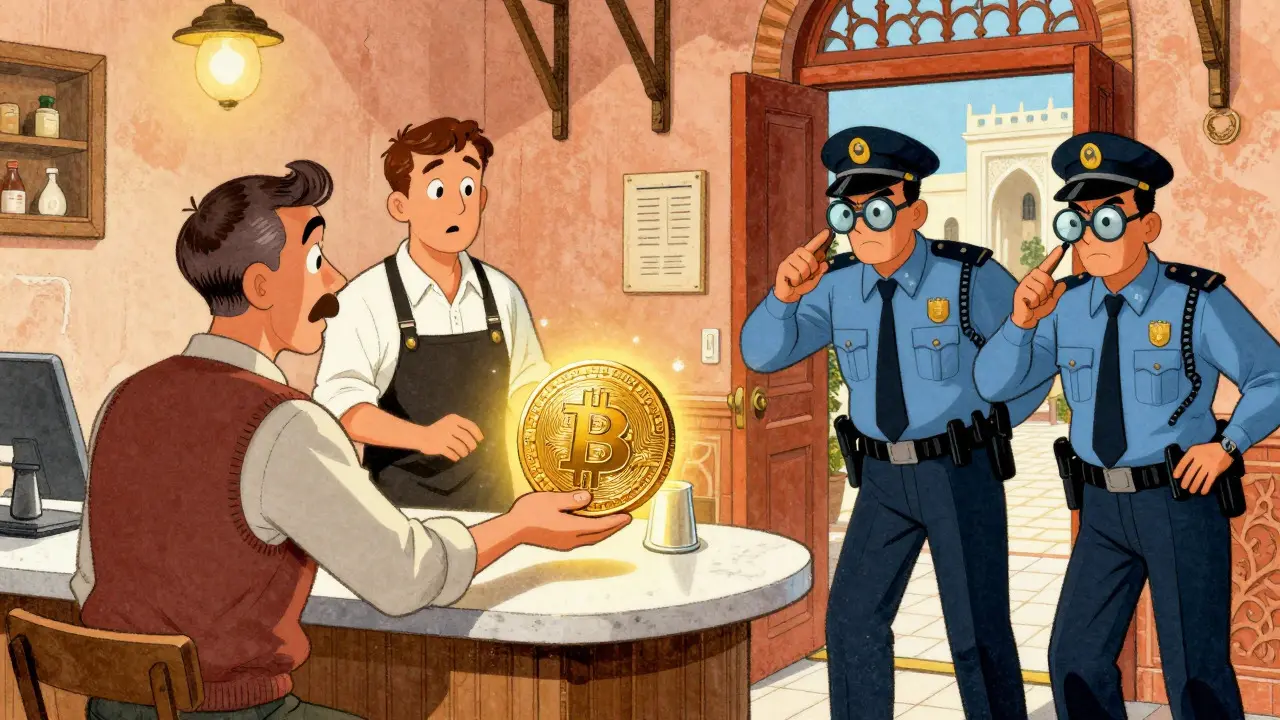
Imagine trying to buy a coffee with Bitcoin in Tunis. You’d likely end up talking to customs officers instead of baristas. For years, the Central Bank of Tunisia (BCT) has enforced one of the strictest cryptocurrency policies in the world. If you are an investor, a developer, or just someone curious about digital assets in North Africa, understanding this landscape is crucial. The rules here aren't just guidelines; they are hard barriers backed by severe penalties.
As of mid-2026, the situation remains complex. On one hand, open-market crypto trading is illegal. On the other, the government is quietly testing blockchain technology behind closed doors. This duality creates a confusing environment for anyone looking to operate in or with Tunisia. Let’s break down exactly what is allowed, what is banned, and where things might be heading.
The Core Restriction: A Total Ban on Virtual Money
To understand the current state, we have to look at the turning point: May 2018. Before this date, the regulatory environment was murky. From 2013 to 2017, people traded Bitcoin largely through peer-to-peer chat rooms without formal oversight. It wasn’t officially legal, but it wasn’t aggressively policed either.
Then, the BCT issued a definitive directive. This regulation prohibited any transaction involving "virtual money" without explicit state authorization. In plain English? You cannot use cryptocurrency to pay for goods or services within Tunisia. Merchants who accept digital assets risk heavy fines. Individuals holding crypto face potential imprisonment of up to five years under currency-control regulations.
This move placed Tunisia in a small club of countries with total bans, alongside nations like China, Egypt, and Morocco. The primary motivation? Capital flight and money laundering. The government wanted to keep the Tunisian dinar stable and prevent citizens from moving wealth out of the country using unregulated channels.
| Activity | Status | Enforcement Mechanism |
|---|---|---|
| Crypto Payments (Goods/Services) | Illegal | Fines for merchants; prosecution for users |
| Mining Operations | Banned | Customs seizure of ASIC rigs |
| Exchange Services | Prohibited | Banks block transactions; site blocking |
| Blockchain R&D | Conditional | Allowed only via Regulatory Sandbox |
Mining and Hardware: Don’t Bring the Gear
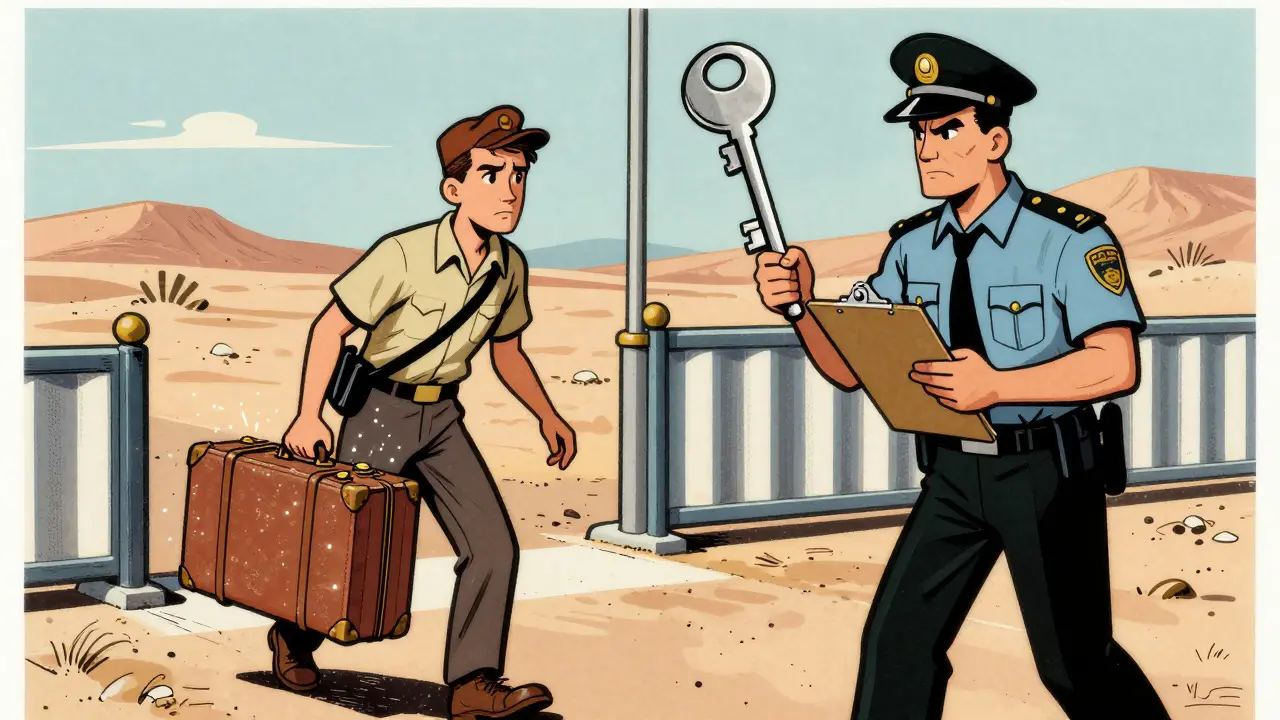
If you thought you could mine Bitcoin from your apartment in Tunis, think again. The ban extends to the hardware required for mining. Importing Application-Specific Integrated Circuit (ASIC) miners is strictly forbidden. Customs authorities actively monitor borders and seize equipment found in luggage or shipments.
Why is mining targeted so heavily? Beyond the energy consumption concerns common globally, the BCT views mining as a gateway to capital flight. If you can mine coins, you can eventually exchange them for foreign currency, bypassing traditional banking controls. Therefore, owning mining hardware without state permission is a violation that can lead to confiscation and legal trouble.
The Paradox: Strict Bans vs. The Regulatory Sandbox
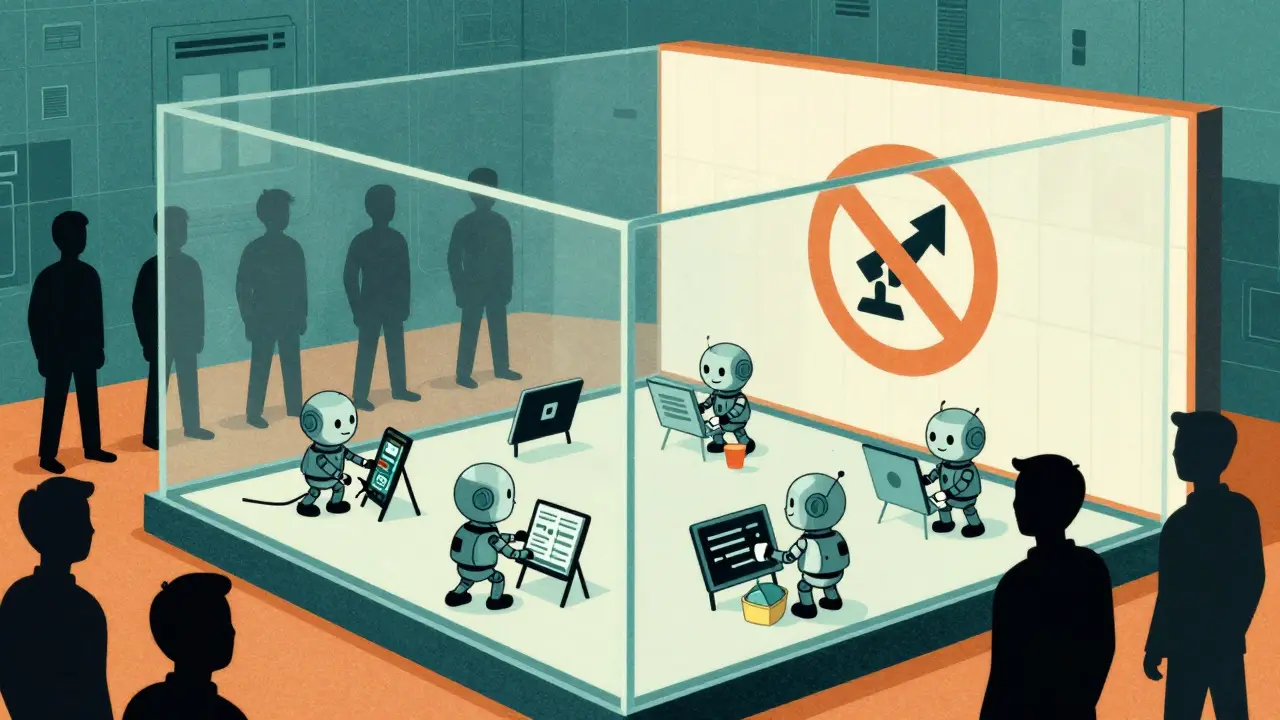
Here is where things get interesting. While the door is slammed shut on public crypto adoption, a small window was opened for innovation. Since 2020, the BCT has operated a regulatory sandbox. This program allows selected fintech startups to test blockchain-based solutions under tight supervision.
This isn’t a free-for-all. Cohorts last six to twelve months, and participants operate under strict user and volume limits. The goal is not to launch a new cryptocurrency exchange but to explore how distributed ledger technology (DLT) can improve existing systems. For example, local startups like VFunder (crowdfunding) and Hydro E-Blocks (carbon tracking) have participated. They use blockchain for transparency and traceability, not for speculative trading.
This dual approach reveals the government’s true stance: they dislike the financial risks of decentralized currencies but recognize the operational benefits of blockchain technology. They want the tech without the threat to monetary sovereignty.
Digital Tunisia 2025 and Government Blockchain Pilots
The broader context is defined by the Digital Tunisia 2025 project. This national strategy explicitly lists blockchain as a tool for achieving transparency in supply chains and record-keeping. However, there is a catch: these applications must run on permissioned ledgers.
A permissioned ledger means the government or a consortium of approved entities controls who can write to the chain. This is the opposite of Bitcoin’s public, permissionless model. Pilot programs have explored digitizing land registries and distributing subsidies through privately managed blockchains. These initiatives aim to reduce corruption and increase efficiency, showing that the state is willing to embrace DLT if it keeps control in its own hands.
Enforcement and Real-World Consequences
How strictly is this enforced? Very. Financial institutions are prohibited from facilitating any crypto-related transactions. Banks will block card purchases made at foreign exchanges. If you try to send money abroad via a crypto bridge, the transaction will likely fail or trigger an audit.
A pivotal moment occurred in 2021 when a teenager was imprisoned for exchanging a small amount of cryptocurrency. This case sparked high-level cabinet discussions about decriminalization, highlighting the harsh reality of the law. While no major policy shift followed immediately, it served as a stark warning to the public. Even e-commerce platforms that experimented with crypto pricing quickly moved their operations offshore to avoid regulatory heat.
Economic Pressures and Future Outlook
Looking ahead to late 2026, several factors could influence future policy changes. Tunisia faces significant economic challenges, including domestic borrowing concerns and debates over central bank independence. The 2016 law mandated BCT independence as part of an IMF loan agreement, but recent government borrowing practices have tested this boundary.
Some analysts argue that the very issues motivating the 2018 ban-capital flight and reserve instability-are worsening. In such scenarios, some countries turn to cryptocurrencies as a relief valve or adopt Central Bank Digital Currencies (CBDCs) to modernize payments while retaining control. Interestingly, the BCT briefly explored an E-Dinar CBDC proof-of-concept in 2019. Although it was shelved, the interest in digital currency infrastructure remains.
Tunisia also participates in international forums like the Financial Stability Board (FSB) Middle East and North Africa Regional Consultative Group. Here, policymakers discuss cross-border payments and crypto-asset recommendations. Engagement with global standards may gradually pressure local regulations to align more closely with international norms, potentially softening the absolute ban over time.
What This Means for Investors and Developers
If you are considering entering the Tunisian market, proceed with caution. There is currently no legal pathway for mainstream retail crypto investment. Operating an exchange or marketing tokens locally invites severe legal repercussions. However, if your business focuses on enterprise blockchain solutions-such as supply chain tracking or secure identity verification-the regulatory sandbox offers a viable entry point.
For individuals, the advice is simple: keep your activities offline and private, but know that even possession carries risk. The most practical route for Tunisians interested in global crypto markets is often through offshore accounts, though this requires navigating complex currency conversion hurdles due to the strict capital controls on the Tunisian dinar.
Is Bitcoin legal in Tunisia?
No. As of 2026, Bitcoin and other cryptocurrencies are effectively banned for general use. The Central Bank of Tunisia prohibits transactions involving virtual money without state authorization. Holding or trading crypto can result in fines or imprisonment.
Can I mine cryptocurrency in Tunisia?
Mining is severely restricted. Importing mining hardware like ASIC rigs is illegal, and customs authorities frequently seize such equipment. Mining operations are viewed as a risk for capital flight and energy waste.
What is the BCT regulatory sandbox?
The regulatory sandbox is a controlled environment where select fintech startups can test blockchain technologies. It allows for innovation in areas like crowdfunding and carbon tracking without allowing open-market crypto trading. Participation is limited and supervised.
Are there penalties for using crypto in Tunisia?
Yes. Violations can carry penalties including up to five years in prison and substantial fines. Banks are required to block crypto-related transactions, and merchants accepting crypto payments face legal action.
Will Tunisia lift the crypto ban soon?
There is no official announcement of a ban lift. However, economic pressures and participation in international financial forums suggest the policy could evolve. The focus remains on controlling capital flight while exploring blockchain utility through the sandbox.