
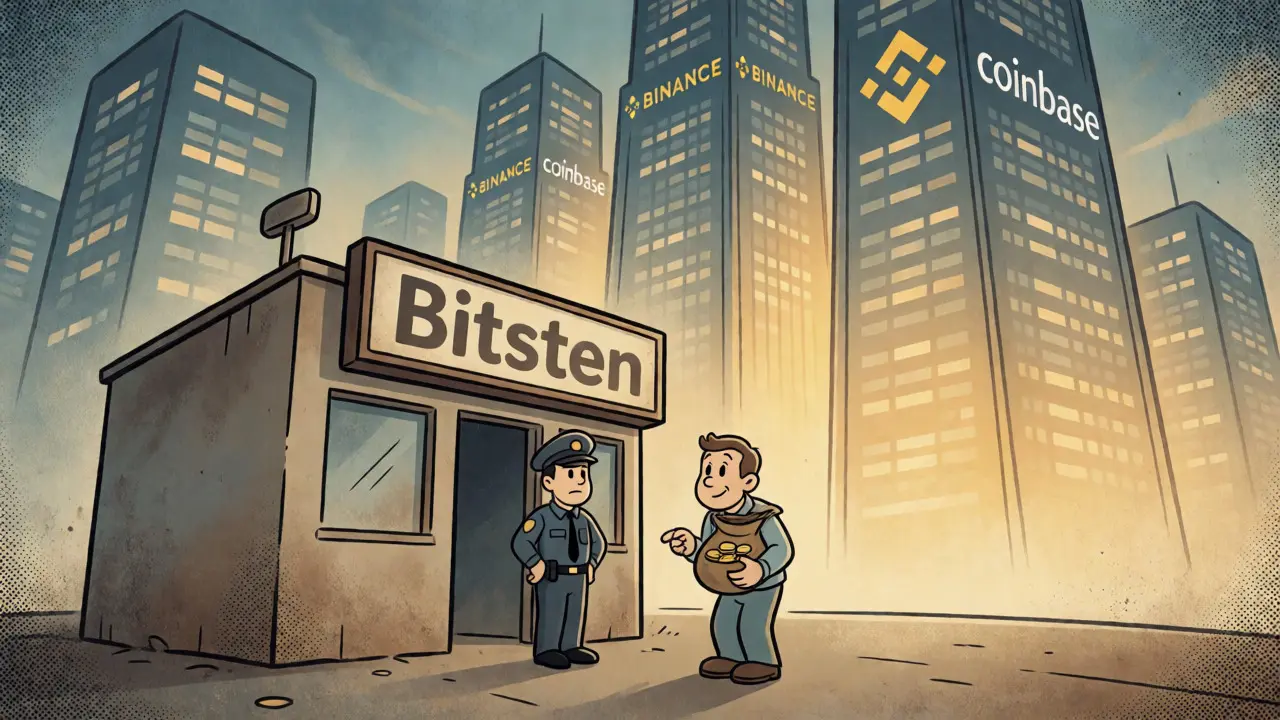
Imagine signing up for a crypto exchange in 2017, expecting it to become the next Binance or Coinbase. Fast forward to 2026, and you find Bitsten is still around, registered in Indonesia, but operating with a footprint so small it’s barely visible on the global radar. If you’re hunting for a new place to trade Bitcoin or Ethereum, you’ve probably stumbled upon this name while scrolling through obscure listings. But should you actually deposit your hard-earned cash here? The short answer is complicated, mostly because there isn’t enough public data to give you a straight "yes" or "no."
This review cuts through the marketing fluff. We aren’t just reading their homepage; we’re looking at what’s missing, what’s present, and why that matters when your money is on the line. Whether you are a local Indonesian trader or an international user curious about niche platforms, understanding the reality of Bitsten requires digging past the taglines.
The Basics: What Exactly Is Bitsten?
Bitsten is a centralized cryptocurrency exchange established in 2017 and officially registered in Indonesia. Unlike decentralized exchanges (DEXs) where you hold your own keys, Bitsten holds custody of your funds. You register with an email or phone number, complete Know-Your-Customer (KYC) checks, and then trade against other users on their order book. They position themselves as a user-friendly platform, promising "top-tier security" and simple interfaces.
Here’s the catch: while they claim to be "advanced," the technical transparency is low. Most major exchanges publish daily trading volumes, proof-of-reserves audits, and detailed fee schedules. Bitsten? Not so much. As of late 2025 and into 2026, comprehensive trading volume statistics remain elusive. You can sign up, but seeing exactly how much liquidity exists on the platform is harder than it should be.
| Feature | Bitsten | Binance/Coinbase (Typical) |
|---|---|---|
| Registration Year | 2017 | 2011-2014 |
| Primary Jurisdiction | Indonesia | Global/Multi-jurisdictional |
| Native Token | BST (BNB Smart Chain) | BNB, COIN, etc. |
| Public Volume Data | Limited/Unclear | Real-time & Historical |
| Margin Trading | Not confirmed/No | Yes (for most majors) |
Security and Regulation: The Indonesian Context
Security is the first thing you check before sending crypto to any platform. Bitsten claims to use cutting-edge security features, but do they have the receipts? In the crypto world, "trust me" doesn’t cut it. You want third-party audits, insurance policies, and clear cold storage protocols. Currently, Bitsten does not publicly document specific audit results or insurance coverage details in an accessible whitepaper format.
However, being registered in Indonesia is a double-edged sword. On one hand, Indonesia has tightened its regulations significantly since 2017. The Commodity Futures Trading Regulatory Agency (Bappebti) now requires strict licensing for digital asset traders. If Bitsten is fully compliant, this offers a layer of consumer protection that unregulated offshore exchanges lack. On the other hand, this regulatory environment can limit their ability to offer certain advanced derivatives or margin products compared to exchanges based in more permissive jurisdictions like Seychelles or Malta.
If you live in Indonesia, this local compliance might be a plus. If you’re elsewhere, you’re relying on a smaller entity to navigate complex cross-border financial laws without the massive legal teams backing giants like Kraken or Coinbase.
The BST Token: Utility or Hype?
Most exchanges launch a native token. It’s almost a rite of passage. Bitsten launched the Bitsten Token (BST), which operates on the BNB Smart Chain (BEP20 standard). Why BNB Chain? Likely cost-efficiency. Building a proprietary blockchain is expensive; leveraging an existing high-throughput chain saves development time.
But here’s a red flag worth noting: tracking data indicates that while there is a total supply of roughly 9.7 million BST tokens, the circulating supply appears to be near zero or extremely low in some metrics. What does this mean for you? If the token isn’t widely circulated or traded, its utility-such as paying for reduced trading fees-is limited. A token with no liquidity is essentially a dead weight in your wallet unless you plan to hold it long-term hoping for ecosystem growth that hasn’t materialized yet.
User Experience and Community Engagement
Let’s talk about the vibe. Does anyone actually talk about Bitsten? Their social media presence exists-Facebook, Twitter (X), and Telegram channels are active. However, engagement metrics tell a story of a small community. The Twitter account, for instance, has accumulated around 8,000 followers. For context, major exchanges boast millions. This suggests that while the platform is operational, it hasn’t captured significant market share outside its immediate target demographic.
Support quality is another unknown variable. Larger exchanges provide public metrics on response times and user satisfaction scores. With Bitsten, you’re largely flying blind until you open a support ticket yourself. There is minimal discussion on Reddit or Trustpilot regarding widespread user experiences, which could mean either a small user base or a quiet, satisfied one. Given the lack of complaints, the latter is possible, but the former is statistically more likely.
Trading Features and Limitations
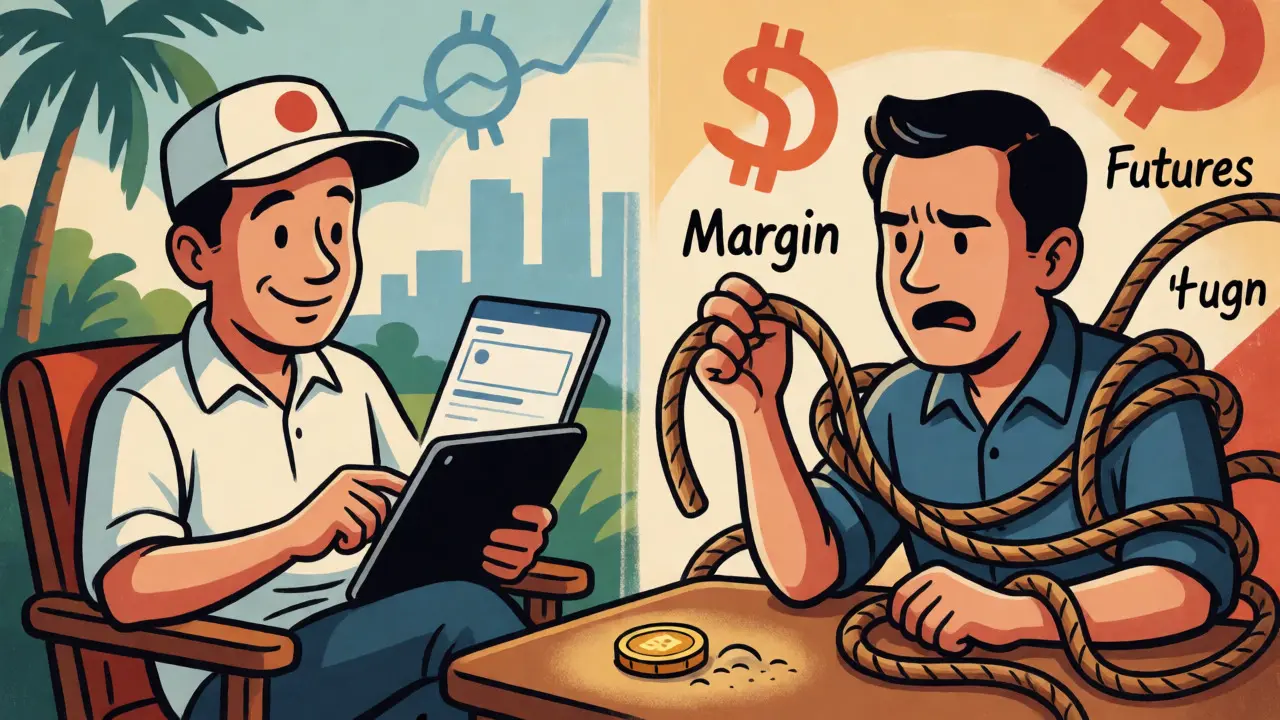
What can you actually trade? Bitsten supports a range of cryptocurrencies, but the exact list of trading pairs changes and isn’t always transparently updated in real-time public dashboards. Crucially, available data suggests Bitsten does not currently offer margin trading services. If you’re an active trader who likes to leverage positions, this is a dealbreaker. You’re stuck with spot trading.
For beginners, spot-only trading is fine. It keeps things simple. But if you’re comparing Bitsten to competitors, the lack of futures, options, or even robust margin tools puts it at a disadvantage. The interface is designed for simplicity, which appeals to newcomers, but experienced traders will likely find the toolset lacking.
Who Should Consider Bitsten?
You shouldn’t dismiss Bitsten entirely, but you need to know your profile. Here is a quick decision matrix:
- Indonesian Residents: If you prefer a locally regulated platform and want to avoid the friction of moving funds to offshore exchanges, Bitsten is a viable option, provided you verify current Bappebti licensing status directly.
- Spot Traders Only: If you buy and hold, and don’t care about leverage, the simplicity might appeal to you.
- Risk-Tolerant Users: You are okay with lower liquidity and potentially slower withdrawal processing times due to smaller infrastructure.
Conversely, skip Bitsten if you need high-frequency trading capabilities, extensive fiat on-ramps from multiple countries, or institutional-grade security audits.
Final Verdict: Proceed with Caution
Bitsten is a legitimate entity-it’s been around since 2017 and maintains active operations. But "legitimate" doesn’t automatically mean "best." In the crowded crypto exchange market, visibility equals trust. Bitsten’s low public profile, lack of transparent volume data, and unclear token circulation make it a risky bet for the average investor.
If you choose to use it, start small. Test the withdrawal process immediately. Don’t treat it as your primary vault. Treat it as a secondary access point, perhaps for specific local banking integrations if you are in Indonesia. For everyone else, the safer bets remain the larger, more transparent players who publish their reserves and handle billions in daily volume.
Is Bitsten safe to use?
Bitsten is a registered exchange in Indonesia, which implies adherence to local regulations. However, it lacks public third-party security audits and proof-of-reserves reports common among top-tier exchanges. Safety relies heavily on their internal controls, which are less transparent. Use caution and limit deposits.
Does Bitsten offer margin trading?
Current data indicates that Bitsten does not offer margin trading services. Users are primarily restricted to spot trading, meaning you can only trade assets you own outright.
What is the BST token used for?
The Bitsten Token (BST) is a BEP20 token on the BNB Smart Chain. While intended for ecosystem utility such as fee discounts, its low circulating supply and limited trading activity suggest its practical utility is currently minimal compared to major exchange tokens like BNB.
Can I withdraw fiat currency from Bitsten?
Withdrawal options depend on your region. For Indonesian users, local bank transfers are typically supported. International users may face limitations depending on Bitsten's current payment processor partnerships. Always test a small withdrawal first.
How does Bitsten compare to Binance?
Binance offers vastly superior liquidity, hundreds of trading pairs, margin/futures products, and global regulatory licenses. Bitsten is a niche player with limited volume and simpler features, making Binance the better choice for active traders and those prioritizing liquidity.