
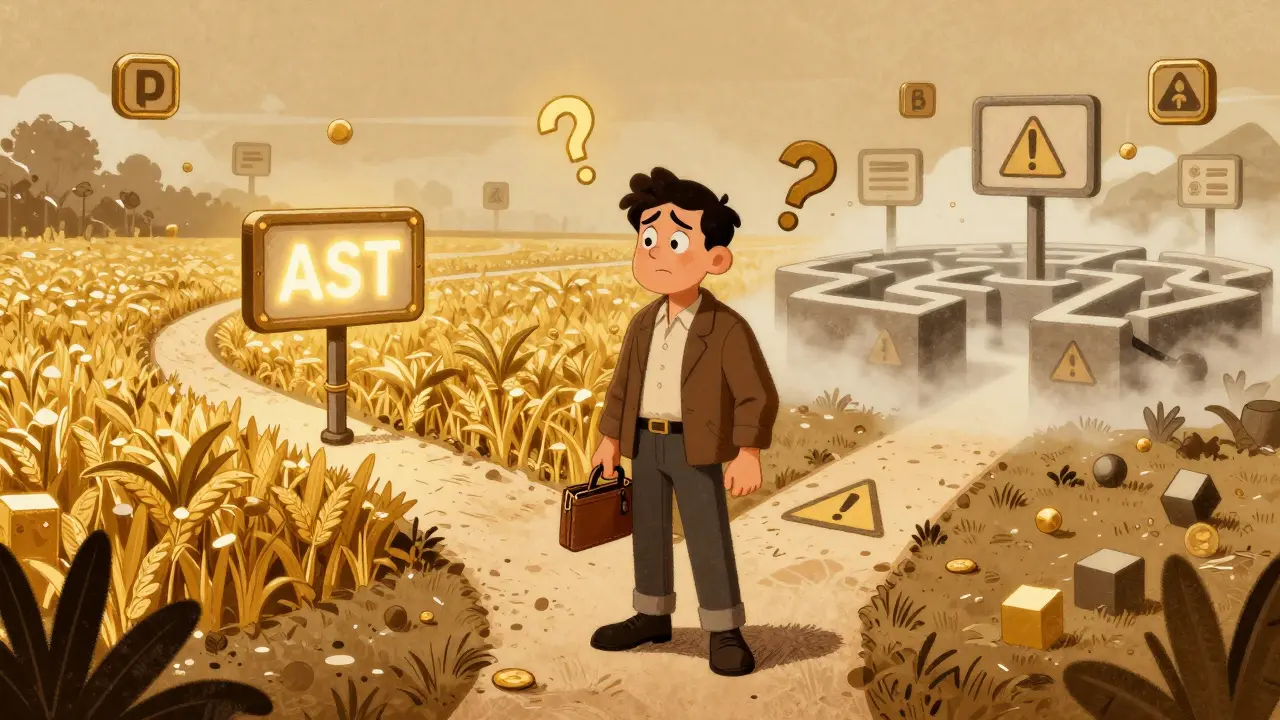
Did you hear the buzz about the AST Unifarm airdrop? If you’ve been navigating the decentralized finance (DeFi) space, you likely know that airdrops are one of the few ways to earn tokens without upfront capital. But here is the hard truth: not every project named "Unifarm" or associated with an "AST" token is the same. Confusion runs rampant in this sector. You might be looking for the AST token from AST.finance, but you could easily stumble into information about AsterDEX or other unrelated protocols. Getting this wrong means missing out on rewards or, worse, falling for a scam.
This guide cuts through the noise. We will break down exactly what the AST Unifarm airdrop entails, how AST.finance structures its rewards, and the specific steps you need to take to verify your eligibility. Whether you are a seasoned yield farmer or a newcomer curious about free tokens, understanding the mechanics behind these distributions is crucial for your wallet’s safety and growth.
What Is AST.finance and the Unifarm Protocol?
To understand the airdrop, you first need to understand the platform. AST.finance is a decentralized finance platform focused on liquidity provision and yield optimization strategies. It operates within the broader ecosystem of automated market makers (AMMs) and lending protocols. The core innovation often lies in how it aggregates liquidity to provide better rates for users compared to single-pool strategies.
The "Unifarm" aspect typically refers to a specific module or partnership within the AST.finance ecosystem designed to streamline farming rewards. In traditional DeFi, farming involves locking up your assets in a smart contract to earn trading fees or new tokens. Unifarm aims to simplify this by allowing users to participate in multiple pools simultaneously or by offering enhanced reward multipliers for loyal participants. Think of it as a loyalty program for liquidity providers.
Why does this matter for an airdrop? Projects like AST.finance use airdrops to bootstrap their user base. By rewarding early adopters who provided liquidity or engaged with the Unifarm interface before the token launch, they create immediate demand and decentralize governance. Your past actions-swapping tokens, providing liquidity, or staking-are likely the data points determining if you get a share.
Eligibility Criteria: Who Qualifies for the Airdrop?
Not everyone gets a slice of the pie. Airdrops are targeted marketing tools. For the AST Unifarm airdrop, eligibility usually hinges on three main factors: historical interaction, snapshot timing, and wallet activity. Let’s look at what typically qualifies you.
- Snapshots: This is the most critical factor. The project team takes a "snapshot" of the blockchain at a specific block height. If your wallet interacted with the AST.finance contracts before this block, you are eligible. If you started using the platform after the snapshot, you miss out. Always check the official announcement for the exact date and time of the snapshot.
- Liquidity Provision: Users who deposited assets into Unifarm pools often receive higher allocations. The amount you farmed and the duration you stayed in the pool can multiply your reward tier. Simply swapping tokens might give you a small amount, while significant liquidity provision yields more.
- Unique Wallet Activity: Sybil resistance is real. Teams analyze wallets to ensure they aren’t bots creating thousands of addresses to farm airdrops. Organic usage patterns-regular transactions over months rather than hundreds of micro-transactions in a day-favor legitimate users.
If you used AST.finance during its beta phase or early mainnet launch, you are in a strong position. However, do not assume automatic qualification. Verify your wallet address against any public leaderboards or eligibility checkers released by the team.
How to Claim Your AST Tokens Safely
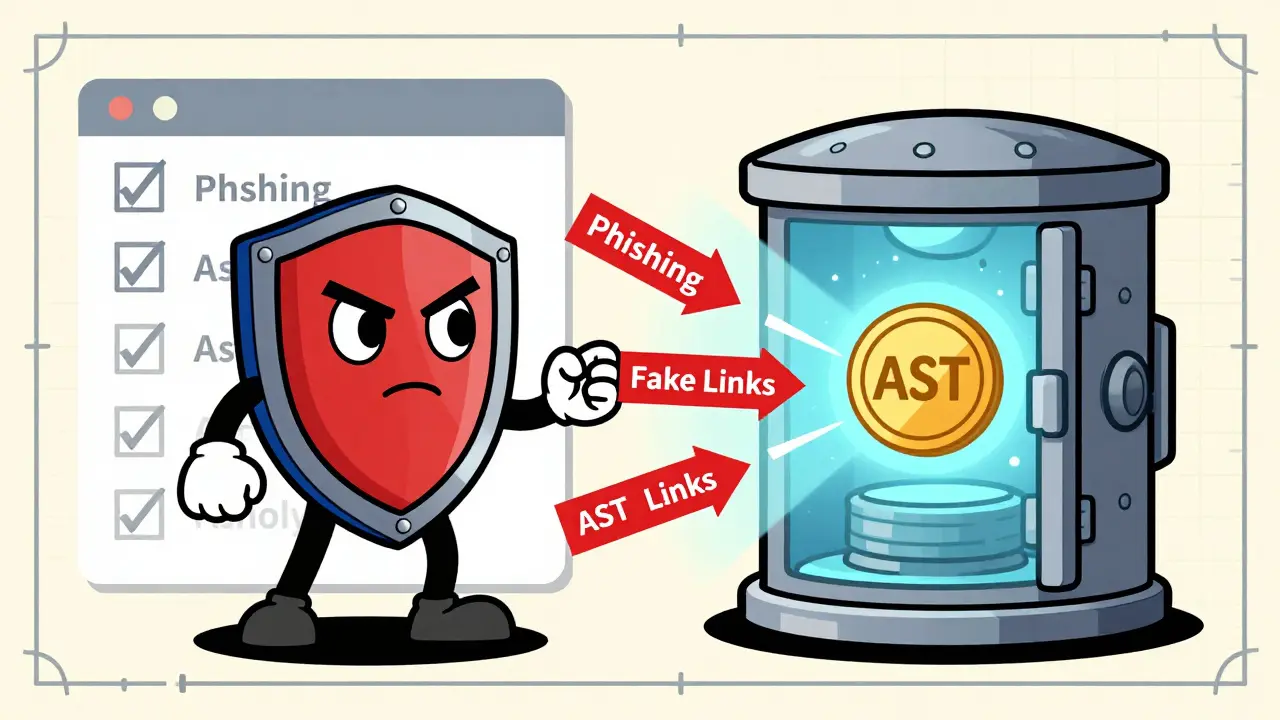
Once you confirm eligibility, the claiming process begins. This is where security becomes paramount. Scammers thrive on FOMO (Fear Of Missing Out). They will send fake emails, DMs on Twitter, or Discord messages claiming you have won a large amount of AST tokens. Remember: legitimate airdrops never ask for your private key or seed phrase.
- Visit the Official Website: Only use the URL verified on AST.finance’s official social media channels (Twitter/X, Discord, Telegram). Bookmark the site. Do not click links from search results unless you are certain they are official.
- Connect Your Wallet: Use a reputable non-custodial wallet like MetaMask, Phantom, or Trust Wallet. Connect it to the claim portal. Ensure you are connected to the correct network (e.g., Ethereum, BSC, Solana, depending on where AST.finance operates).
- Review the Allocation: The dashboard should show your estimated reward based on the snapshot. Compare this with any public data available. If the number looks suspiciously high or low, pause and investigate.
- Sign the Transaction: Clicking "Claim" will prompt a transaction signature. Read the details carefully. You are approving the transfer of tokens to your wallet. There should be no fee to "receive" tokens, though you will pay gas fees for the transaction itself. Be wary of requests for excessive allowances to unknown contracts.
After claiming, you will see the AST tokens in your wallet. You can then choose to hold them, stake them back into the Unifarm protocol for more rewards, or swap them on a decentralized exchange.
Tokenomics and Utility of the AST Token
Why should you care about holding AST? An airdrop token is only valuable if it has utility. Without use cases, the price can crash once early sellers dump their holdings. Let’s examine the potential value drivers for the AST token within the AST.finance ecosystem.
| Utility Feature | Description | Benefit to Holder |
|---|---|---|
| Governance Voting | Holders vote on protocol upgrades, fee structures, and new pool additions. | Influence the direction of the platform; long-term alignment with project goals. |
| Staking Rewards | Stake AST to earn a portion of the platform’s trading fees or additional AST emissions. | Passive income generation; reduces circulating supply, potentially increasing scarcity. |
| Fee Discounts | Using AST to pay for transaction fees on the platform may offer discounts. | Lower costs for active traders and liquidity providers. |
| Access to New Pools | Certain high-yield or exclusive Unifarm pools may require AST staking to enter. | Access to superior yield opportunities not available to non-holders. |
Understanding these utilities helps you decide whether to sell immediately or hold. If the AST token governs a protocol generating millions in revenue, its intrinsic value rises. If it’s purely speculative, treat it as a short-term trade.
Common Pitfalls and Security Risks
The world of crypto airdrops is fraught with risks. Beyond scams, there are technical pitfalls that can cost you money. Here is what to watch out for when dealing with the AST Unifarm airdrop.
Phishing Sites: Scammers create near-identical copies of the AST.finance website. They might register a domain like "ast-finance-claim.com" instead of "ast.finance." Always double-check the URL. Look for the padlock icon, but remember that HTTPS alone doesn’t guarantee legitimacy.
Malicious Smart Contracts: Sometimes, the claim contract itself might be flawed or malicious. Before signing, use tools like Revoke.cash to check if you’ve previously granted unlimited spending access to unknown contracts. If the claim process asks you to approve a huge amount of ETH or USDT, stop. Legitimate claims only move the airdrop tokens.
Tax Implications: In many jurisdictions, including Australia where I reside, receiving an airdrop is considered taxable income at the fair market value of the tokens at the time of receipt. Keep records of the claim date, the number of tokens, and their USD/AUD value at that moment. Ignoring this can lead to significant penalties later.
Comparison: AST.finance vs. Other DeFi Airdrops
How does the AST Unifarm airdrop stack up against others? Comparing it to recent major airdrops helps set realistic expectations. Unlike massive Layer 1 airdrops that distributed billions of dollars in value, niche DeFi protocol airdrops like AST.finance tend to be smaller but more targeted.
For instance, compare this to the Jupiter airdrop on Solana or the Arbitrum airdrop on Ethereum. Those were ecosystem-wide rewards. The AST Unifarm airdrop is likely restricted to users who specifically interacted with its liquidity pools. This means the total supply distributed is lower, but the per-user allocation might be higher for active farmers. It rewards specificity rather than general blockchain usage.
This distinction matters for strategy. If you want broad exposure, you diversify across multiple chains. If you want high yield, you focus on protocols like AST.finance where your direct contribution (liquidity) is directly rewarded. The AST airdrop validates your role as a liquidity provider, encouraging you to stay engaged with the Unifarm protocol post-airdrop.
Next Steps After Claiming
You’ve claimed your AST tokens. Now what? Sitting on idle tokens earns nothing. Here are three strategic paths forward.
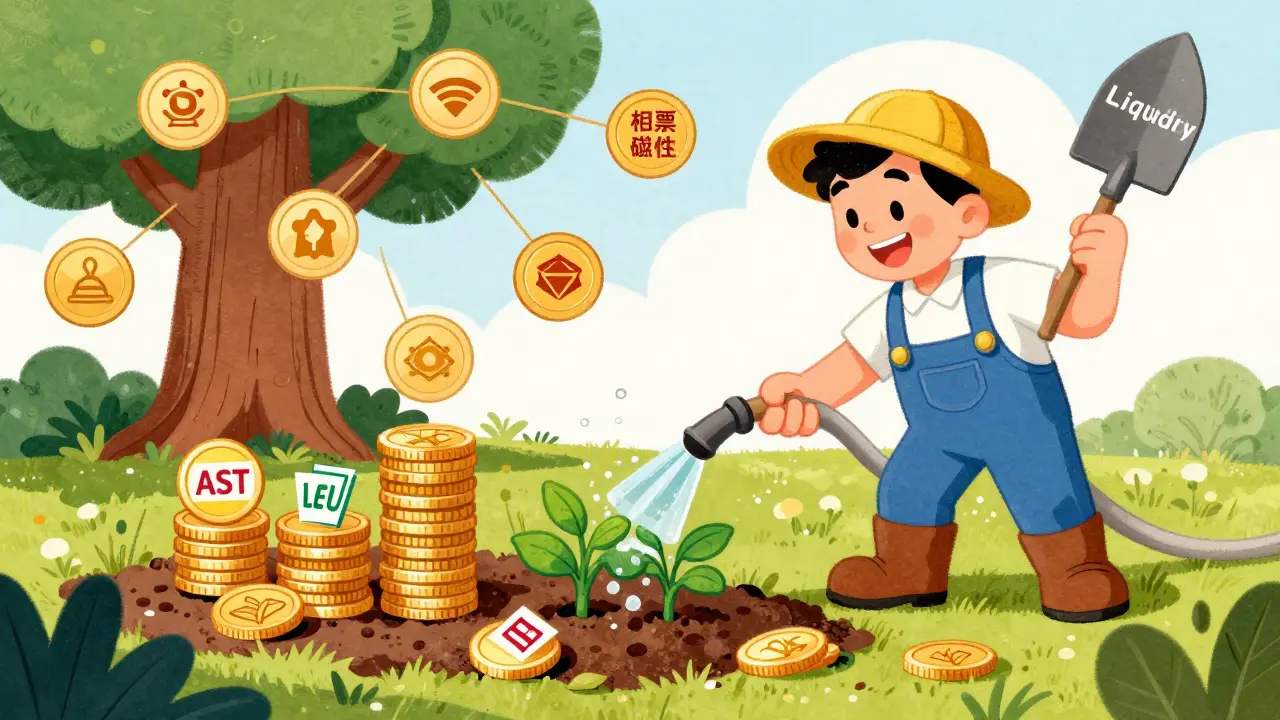
1. Restake in Unifarm: The most logical step is to put the tokens back to work. Check if AST.finance offers a staking vault for AST holders. This compounds your earnings and signals confidence in the project, which can positively impact community sentiment and token price.
2. Provide Liquidity: If AST is traded on a DEX like Uniswap or PancakeSwap, consider providing liquidity for the AST/ETH or AST/USDC pair. You earn trading fees plus potential LP incentives. Just be mindful of impermanent loss-the risk that the value of your assets changes relative to if you had just held them.
3. Hold for Governance: If you believe in the long-term vision of AST.finance, hold the tokens to participate in governance votes. Early governance decisions can shape the protocol’s future significantly. Being an active voter can also lead to further rewards or recognition from the team.
Decide based on your risk tolerance. Staking is lower risk; providing liquidity carries moderate risk due to impermanent loss; holding requires patience and belief in the project’s roadmap.
Is the AST Unifarm airdrop free?
Yes, the airdrop itself is free. You do not pay to receive the tokens. However, you will need to pay gas fees (network transaction fees) to claim the tokens into your wallet. These fees vary depending on the blockchain network's congestion at the time of claiming.
What happens if I missed the snapshot?
If you did not interact with the AST.finance protocol before the specified snapshot date, you are not eligible for this specific airdrop. Unfortunately, retroactive eligibility is rarely granted. However, staying active on the platform may qualify you for future rewards or subsequent airdrop phases.
Can I claim the airdrop on mobile?
Yes, as long as your mobile wallet (like MetaMask Mobile or Trust Wallet) supports the network AST.finance is built on. Ensure you have enough native currency (e.g., ETH, MATIC, SOL) in your wallet to cover the gas fees for the claim transaction.
Is AST.finance audited?
Reputable DeFi projects undergo smart contract audits by firms like CertiK, Hacken, or PeckShield. Check the AST.finance official website or documentation for audit reports. Never interact with a protocol that has not published transparent audit results, as this increases the risk of exploits.
Where can I buy more AST tokens if I missed the airdrop?
Once the AST token is listed on decentralized exchanges (DEXs), you can buy it using other cryptocurrencies. Check platforms like Uniswap, SushiSwap, or Raydium for AST trading pairs. Always verify the contract address to avoid buying fake tokens.